





Which Trains Are Affected?
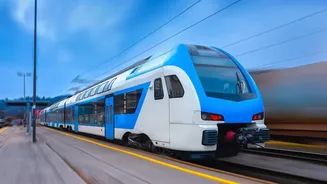
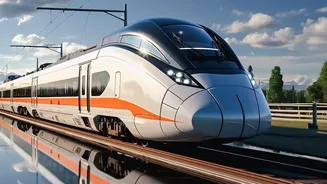
The schedule revision impacts two popular semi-high-speed services that originate from Varanasi Cantt station. The first is the Varanasi-Ranchi Vande Bharat Express, and the second is the Varanasi-Deoghar Vande Bharat Express. Both trains are crucial
for connecting Uttar Pradesh with Jharkhand, serving business travellers and pilgrims alike. The Varanasi-Ranchi service is particularly popular, connecting key towns like Gaya and Bokaro Steel City, while the Deoghar service provides a vital link for pilgrims visiting the revered Baba Baidyanath Temple. The change applies only to the departure from Varanasi; timings at all subsequent stations on both routes will remain the same.
The New Departure Timings
To avoid any last-minute confusion, passengers should take careful note of the new departure times. The Varanasi-Ranchi Vande Bharat Express (Train No. 20888), which previously departed at 4:05 PM, will now leave Varanasi at 3:55 PM. The morning service, the Varanasi-Deoghar Vande Bharat Express (Train No. 22500), will also see its departure advanced by ten minutes. Its new departure time from Varanasi is 6:10 AM, instead of the previous 6:20 AM. While a ten-minute adjustment may seem small, it can be the difference between catching your train and watching it leave the platform.
When Does This Change Start?
The revised schedule is not a future plan but an immediate change for all passengers. Indian Railways has confirmed that these new timings will come into effect from September 2, 2026. Any travel booked on or after this date will be subject to the earlier departure times. Passengers who have already booked tickets for these services are advised to re-check their travel details and plan their arrival at Varanasi Cantt station accordingly. This swift implementation underscores the operational importance of the adjustment for the railway network.
Why the Schedule Adjustment?
Indian Railways has stated that the revision has been made for operational reasons. While not specified in detail, such adjustments are typically carried out to improve the overall punctuality and efficiency of train services. By moving the departure time earlier, railways can create a better operational flow, reduce congestion on busy routes, and enhance the train's ability to maintain its schedule throughout the journey. Since the arrival times at the destination stations remain unchanged, this effectively shortens the buffer or slack time built into the schedule, reflecting confidence in a more streamlined run. This fine-tuning is a standard practice as the railway network continuously analyses performance data to optimize its flagship services.
What This Means for Passengers
The primary takeaway for travellers is simple: arrive at the station earlier than you used to. For the morning train to Deoghar, passengers accustomed to a 6:20 AM departure must now be ready for a 6:10 AM start. Similarly, those taking the afternoon service to Ranchi should now aim to be at the station well before the new 3:55 PM departure time. This change is especially critical for passengers with tight schedules or those who plan their arrival at the station with little time to spare. On the upside, the adjustment is part of a broader effort to ensure Vande Bharat trains run on time, enhancing the reliability and appeal of what has become a symbol of modern Indian rail travel.
A Commitment to Punctuality
The Vande Bharat Express network is one of Indian Railways' proudest achievements, offering a significant upgrade in speed, comfort, and service quality. The constant monitoring and tweaking of its schedule, as seen with this change in Varanasi, highlights a deep commitment to making the service not just fast, but also exceptionally punctual. These incremental adjustments are crucial for maintaining a high-performance network across the country. As more Vande Bharat routes are added, a disciplined and optimized timetable becomes essential to managing track capacity and ensuring a smooth experience for millions of passengers who have come to rely on these modern trains for their travel needs.