






The Grand Scientific Vision
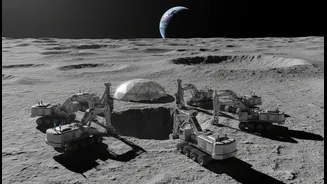
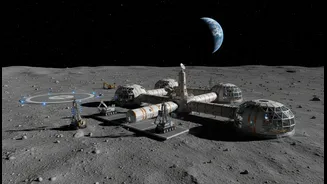
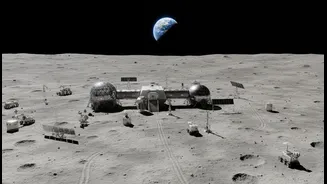
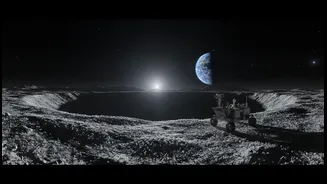
The return to the Moon is about much more than planting a flag. The primary driver is science. NASA's Artemis Base Camp, planned for the Moon's South Pole, will be a hub for groundbreaking research. Scientists are eager to study the Moon as a 4.5-billion-year-old
time capsule, holding secrets about the formation of our solar system. A key objective is to investigate the permanently shadowed craters at the pole, which are believed to contain water ice. This ice could be a game-changer, potentially providing drinking water, breathable air, and even rocket fuel for future missions. Beyond water, astronauts will conduct field geology, collect diverse rock and soil samples, and deploy long-term experiments to understand planetary processes, the history of solar radiation, and the impact history of the Earth-Moon system. This sustained presence will also allow for unprecedented studies on how the human body adapts to a low-gravity, high-radiation environment—critical data for planning eventual missions to Mars.
Surviving the Lunar Challenge
Establishing a foothold on the Moon is a monumental engineering challenge fraught with peril. The lunar environment is incredibly hostile. With no atmosphere, astronauts and equipment are exposed to extreme temperature swings, from scorching heat to unimaginable cold, especially in the shadowed polar regions. Another major threat is radiation. Without Earth's protective magnetic field, astronauts will face a constant bombardment of galactic cosmic rays and unpredictable solar particle events, increasing their lifetime risk of cancer and other health issues. Then there's the dust. Lunar regolith is not like sand on a beach; it's a fine, abrasive powder made of sharp, glassy particles. Apollo astronauts found it clogged equipment, abraded spacesuits, and caused respiratory irritation—a condition dubbed 'lunar hay fever'. For a long-term habitat, this dust poses a serious threat to both hardware and human health. Finally, there's the constant risk of micrometeoroid impacts, tiny particles traveling at immense speeds that could puncture a habitat.
Building the Artemis Base Camp
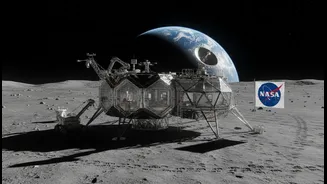
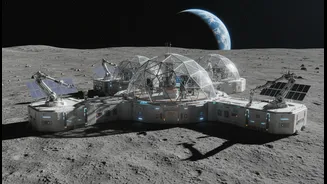
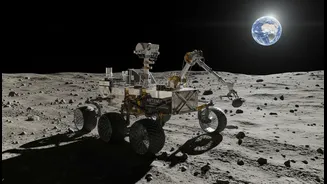
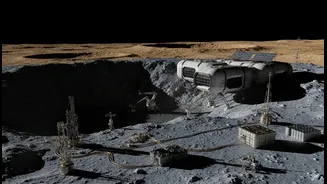
The vision for the Artemis Base Camp is an incremental one, growing with each successive mission. Initial infrastructure will include a surface habitat capable of housing four astronauts, a lunar terrain vehicle (LTV) for transport around the site, and potentially a larger, pressurized rover for longer excursions. These elements are designed to be left on the surface, creating a reusable outpost. Power will be a major challenge, especially during the long, dark periods of lunar night at the South Pole. NASA is exploring a combination of advanced solar power systems and potentially small nuclear reactors to provide continuous energy. Private companies are playing a crucial role, with SpaceX and Blue Origin developing the Human Landing Systems (HLS) that will ferry astronauts from lunar orbit to the surface. Early missions will focus on deploying scientific instruments, testing technologies for using local resources (in-situ resource utilization or ISRU), and developing construction techniques needed to build a more robust and permanent settlement.
The Road Ahead: Next Steps
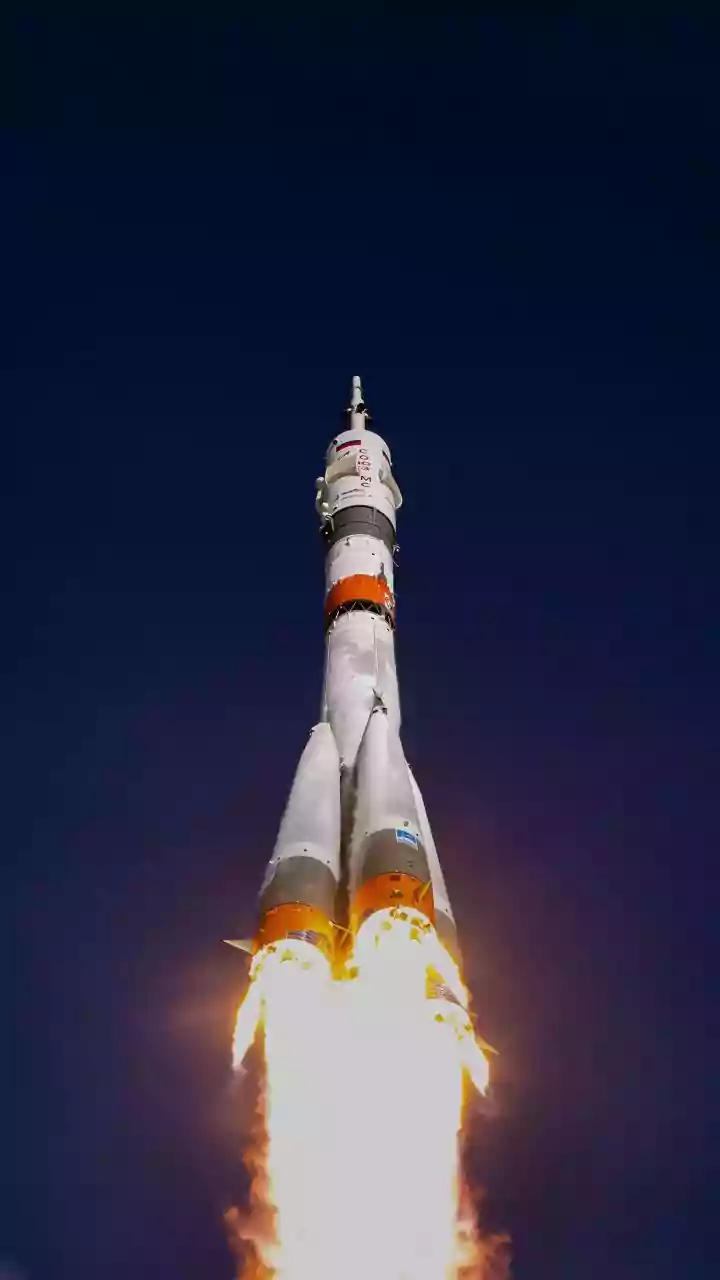
Following the successful Artemis II crewed flyby of the Moon in April 2026, NASA's timeline is ambitious. The next mission, Artemis III, is planned for late 2027 and will serve as a critical risk-reduction flight in Earth orbit, testing the docking procedures for the commercial lunar landers. The first human landing since 1972 is now slated for Artemis IV, targeted for early 2028. This mission will see two astronauts land near the lunar South Pole and spend about a week conducting science. From Artemis V onwards, scheduled for late 2028, NASA aims to increase the frequency of landings, beginning the true construction of the Moon base. Each mission will add new capabilities—delivering habitat modules, rovers, and power systems—gradually transforming the remote outpost into a sustainable human settlement on another world, all while keeping an eye on the ultimate goal: using the lessons learned on the Moon to take humanity's next giant leap to Mars.