




Essential Monsoon Gardening Tips
Before we get to the plants, let’s cover the basics for a successful monsoon garden. The biggest challenges this season are water-logging and pests. First, ensure your pots have excellent drainage holes. You can add a layer of broken pottery or small
stones at the bottom before adding soil. Second, use a well-draining soil mix. A combination of garden soil, cocopeat, and compost works wonders. Finally, keep your plants in a spot that gets at least 4-6 hours of sunlight but is also shielded from a direct, heavy downpour, which can damage young plants. A covered balcony or a spot near a window is ideal.
1. Bhindi (Okra/Lady’s Finger)
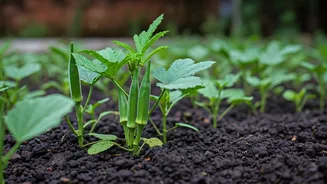
Bhindi is perhaps the most beginner-friendly monsoon vegetable. It loves the heat and humidity that this season brings. To plant, soak the seeds overnight and sow them directly into a medium-sized pot (around 10-12 inches deep). You’ll see sprouts in about a week. Bhindi plants grow tall, so you might need to provide a small stake for support. The best part? You can expect to start harvesting fresh, tender okra in just 50-60 days. Keep an eye out for small pests on the underside of leaves and simply spray them off with a gentle soap-water solution.
2. Tomatoes (Tamatar)
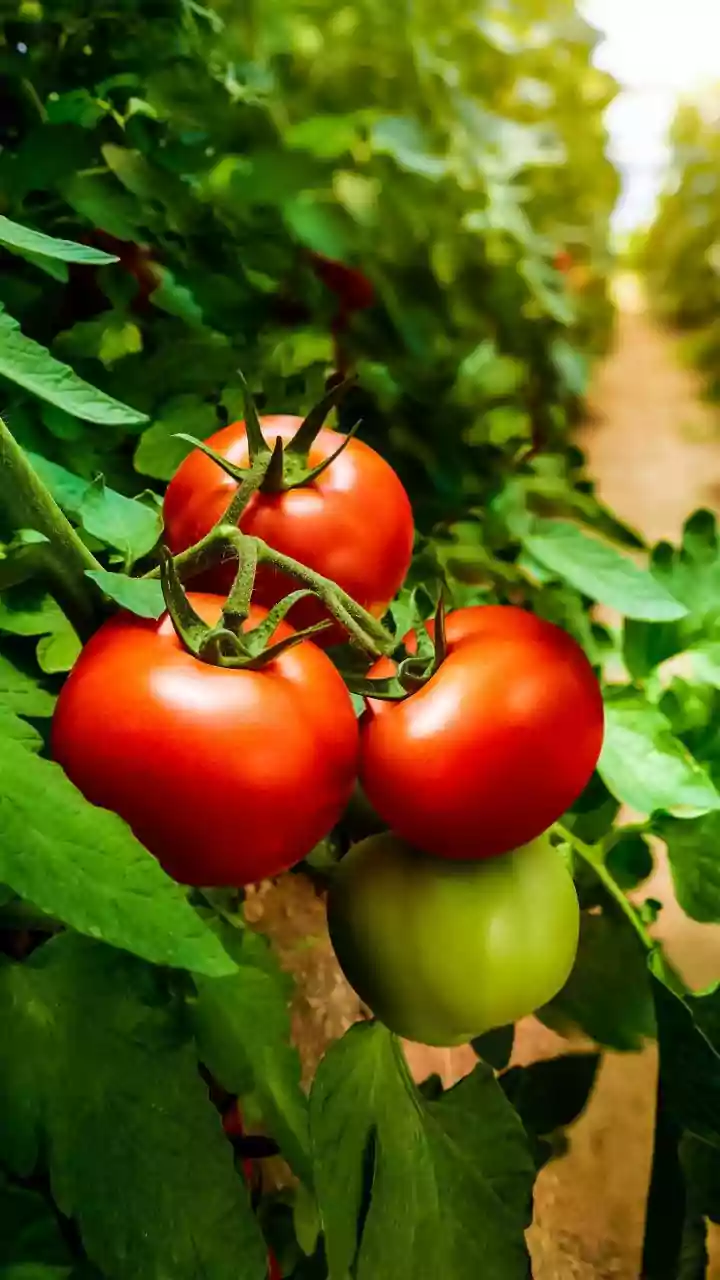
Having homegrown tomatoes for your salads and curries is a game-changer. For beginners, it’s easiest to buy a few small saplings from a local nursery. Plant them in a large pot (at least 12 inches) with a sturdy support like a tomato cage or a few bamboo stakes. Tomatoes need consistent watering but hate having ‘wet feet’, so let the top inch of soil dry out between waterings. Protect them from heavy rain. With good care, you’ll be rewarded with juicy, flavourful tomatoes that taste nothing like the store-bought ones.
3. Green Chillies (Hari Mirch)
No Indian kitchen is complete without green chillies, and they are surprisingly easy to grow in pots. You can grow them from seeds saved from a dried red chilli from your kitchen! Plant the seeds in a small pot and transplant the healthiest seedling into a bigger pot (8-10 inches) once it has a few true leaves. Chillies love sun, so find the sunniest spot on your balcony. They are relatively low-maintenance, and a single healthy plant can provide you with a steady supply of chillies for months.
4. Brinjal (Baingan/Eggplant)
Like its cousins, the tomato and chilli, brinjal thrives in the monsoon’s warmth. It’s best to start with saplings from a nursery. Plant one sapling per 12-inch pot. Brinjals are heavy feeders, so mix some rich compost into your soil and consider adding a little more every few weeks. The plants produce beautiful purple flowers before the fruit appears. Watch for common pests like aphids and fruit borers, and act quickly if you spot them. Harvesting your own shiny, purple brinjals is an incredibly satisfying experience.
5. Spinach (Palak)
If you want quick results, look no further than spinach. This leafy green grows incredibly fast, and you can get your first harvest in as little as 30-40 days. The best way to grow palak is to use a wide, shallow container or trough. Sprinkle the seeds generously over the soil, cover with a thin layer, and water gently. Keep the soil consistently moist. You can harvest the outer leaves as needed, and the plant will continue to produce more from the centre, giving you a continuous supply for your dal or sabzi.
6. Bottle Gourd (Lauki)
For those with a bit more space, like a larger terrace, growing a gourd vine is a classic monsoon project. Lauki grows vigorously in this season. Plant a few seeds in a large container (15-20 inches). As a climber, it will need a strong trellis or support system to crawl up. You can use a nearby wall, railing, or create a simple net structure. The vine will produce large, beautiful leaves and, eventually, the familiar pale green gourds. It’s a high-reward plant that truly captures the abundant spirit of the monsoon.