
A New 'Desi-Cool' Aesthetic
For generations, ethnic wear was often relegated to the back of the closet, reserved for weddings and festivals. But young Indians, particularly Gen Z, are dismantling these boundaries. They are reimagining handcrafted textiles not as occasion-bound costumes,
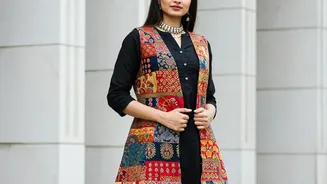
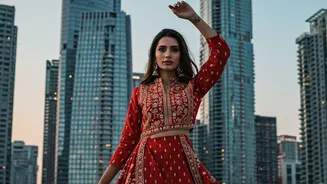
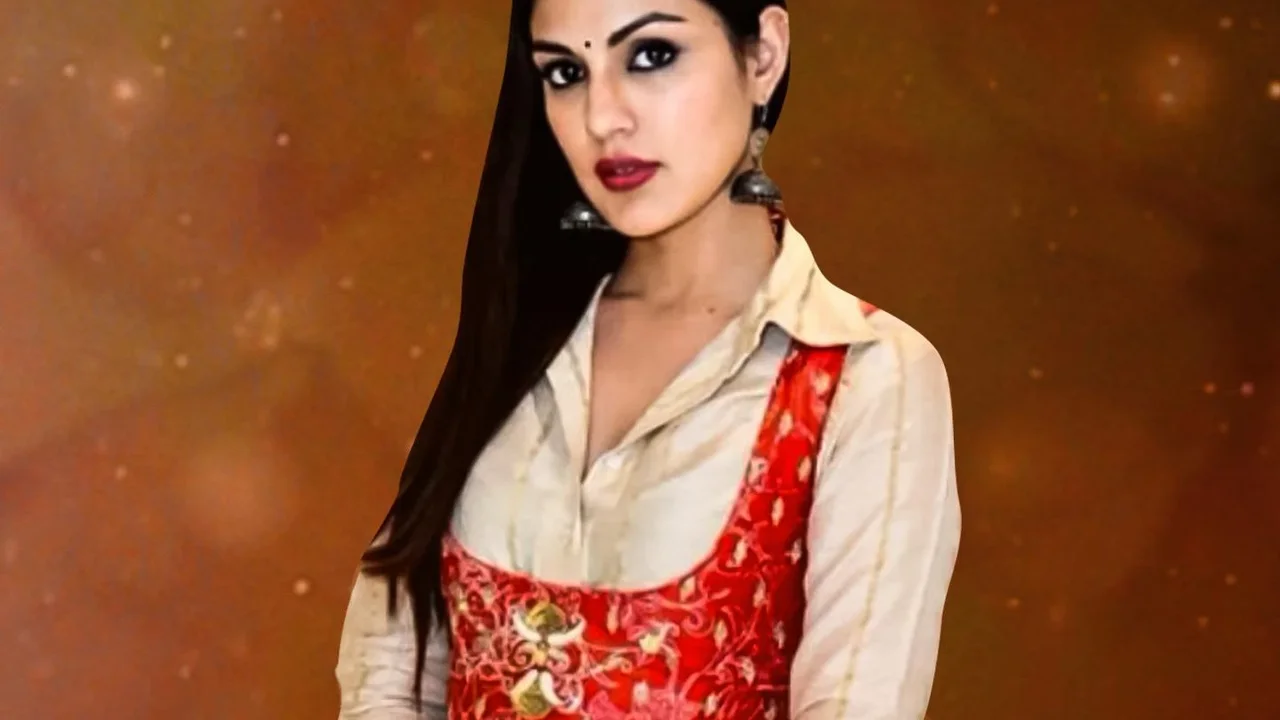
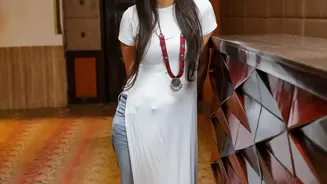
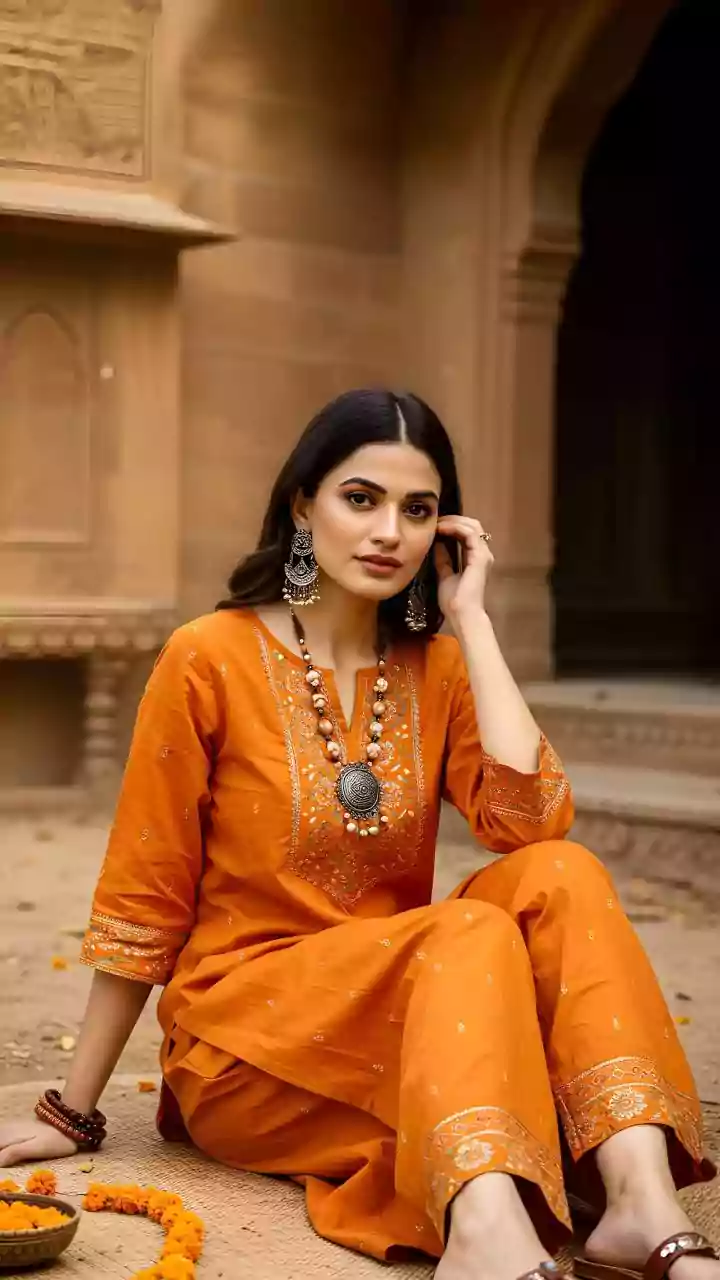
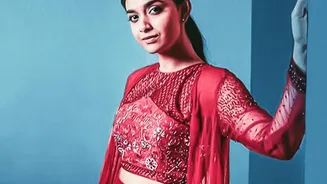
but as versatile elements of their everyday wardrobe. This Indo-Western fusion is no longer a niche trend; it's becoming the standard for a generation that values personal expression. You might see an Ajrakh block-printed jacket paired with a simple dress, a Jamdani saree styled with sneakers, or a traditional lehenga skirt worn with a modern crop top. The result is a 'Desi-Cool' aesthetic that feels comfortable, culturally rooted, and uniquely individual.
More Than Just Fashion: A Search for Authenticity
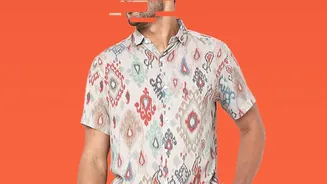
This movement is about more than just looking good; it's a conscious choice. For many young consumers, this fusion style is a reaction against the homogeneity of fast fashion. There's a growing desire to connect with clothing that tells a story and has a soul. By choosing handloom fabrics like Khadi, Chanderi, or Ikat, they are embracing India's rich textile heritage and making a statement about their identity. This shift is also deeply connected to a rising interest in sustainability. Young shoppers are increasingly mindful of where their clothes come from, preferring the longevity and eco-friendly nature of natural, handwoven fabrics over mass-produced synthetics. It represents a move toward buying fewer, but better, pieces that last.
From the Artisan's Loom to the Instagram Feed
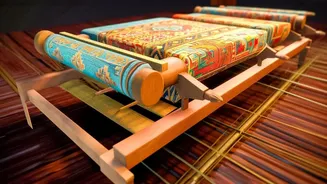
So, how does wearing a handwoven scarf with jeans actually help a weaver in a rural village? The connection is more direct than ever, thanks to social media. Platforms like Instagram and YouTube have become digital showcases for artisans, allowing them to connect directly with consumers and bypass traditional middlemen. When a young fashion influencer posts a reel styling a Bandhani cape or a Kantha jacket, it doesn't just create a trend; it generates real interest and demand for these crafts. This digital visibility gives artisans a global platform, turning their local workshops into international businesses. Consumers can see the painstaking process behind a block-printed fabric or a hand-embroidered motif, fostering a deeper appreciation for the skill and labour involved. This creates a virtuous cycle: as demand for authentic crafts grows, it provides a vital livelihood for artisan communities, ensuring their skills are preserved for the future.
How to Master the Modern Ethnic Mix
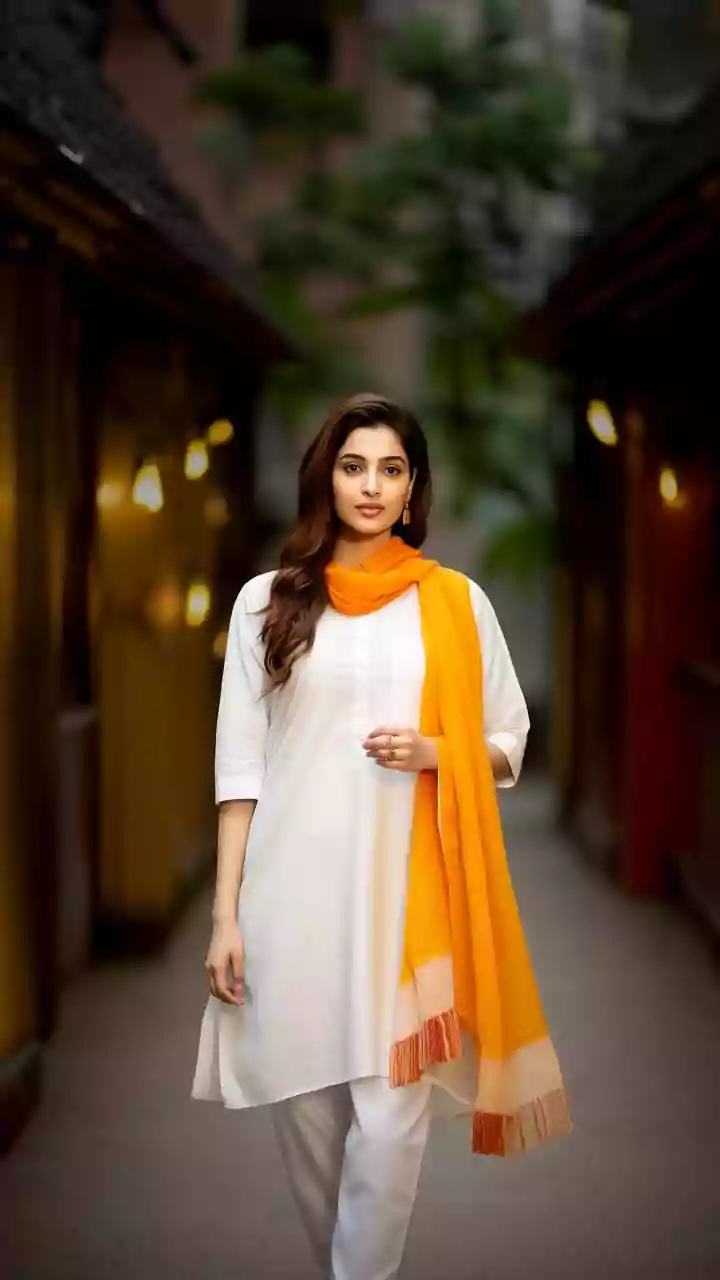
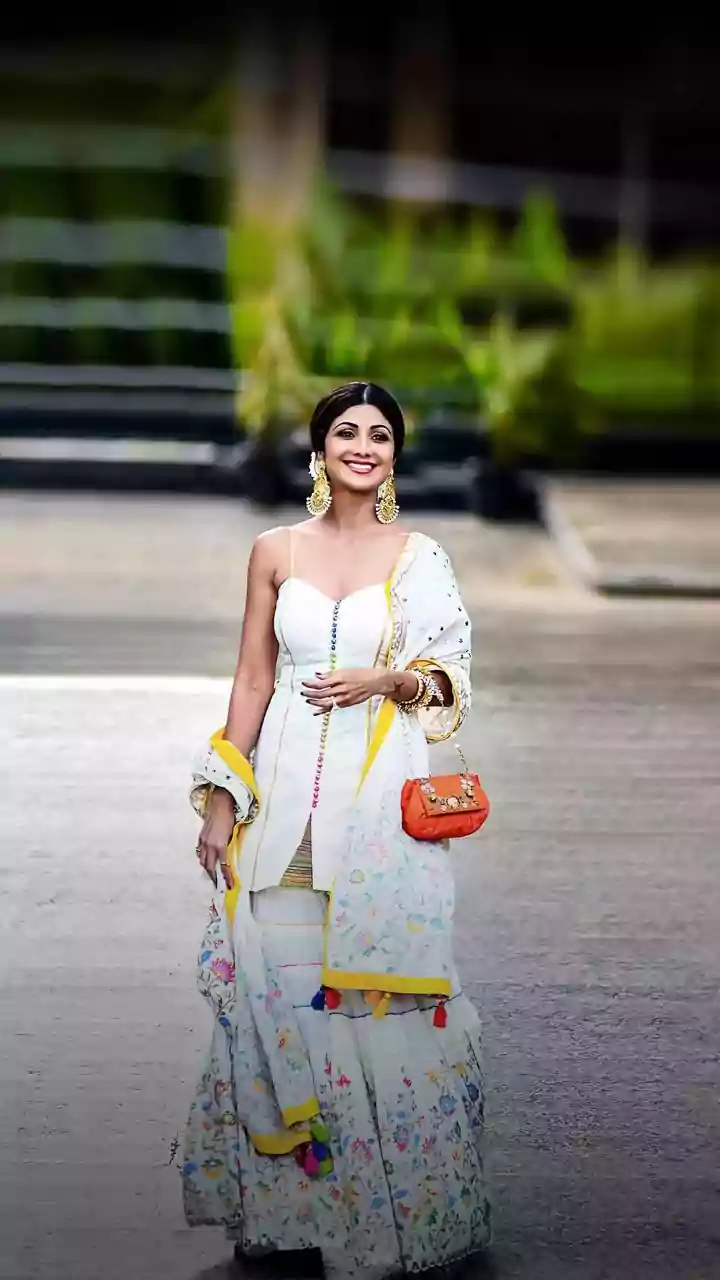
Embracing this trend is easier than it looks and is built on creativity and comfort. A great starting point is to think in terms of separates. Pair a vibrant muslin palazzo pant with a crisp white shirt or a graphic tee for a look that's both chic and functional for a fast-paced lifestyle. A simple handloom kurta can be tucked into denim jeans for a casual day out. Another easy way to start is with accessories. An Ajrakh or Bandhani dupatta can instantly elevate a simple monochrome outfit. The key is to maintain balance. If you're wearing a voluminous piece like a sharara, pair it with a fitted top. Don't be afraid to mix and match, treating your traditional pieces with the same versatility as your western wardrobe. The goal is to create an outfit that reflects your personal style while celebrating Indian craftsmanship.