






The Millet Makeover
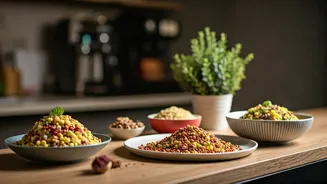
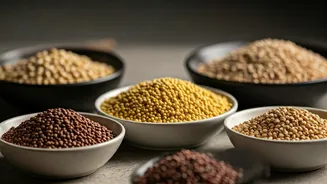
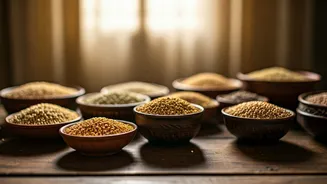
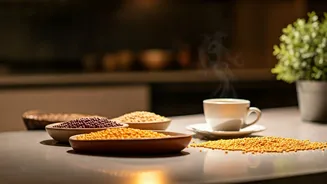
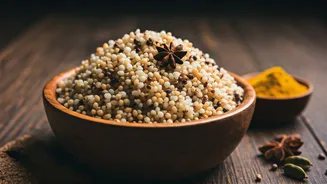
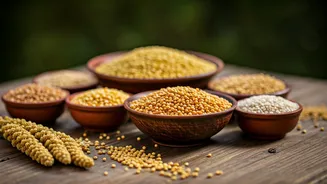
The heart of this revival is the resurgence of millets like jowar (sorghum), bajra (pearl millet), and ragi (finger millet). [23] Once staples across India, these grains were sidelined by rice and wheat. Now, they're being celebrated again, not just for
their resilience to climate change, but for their impressive nutritional profiles. [22, 6] Packed with both soluble and insoluble fibre, they aid digestion, help regulate blood sugar, and promote a feeling of fullness, which can assist with weight management. [2, 7, 10] Government initiatives, such as declaring a "National Year of Millets," and global recognition from the UN have amplified this trend, encouraging farmers to increase cultivation and entrepreneurs to innovate. [22, 6]
From Grandma’s Kitchen to Trendy Cafes
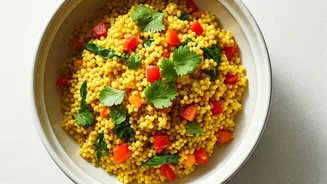
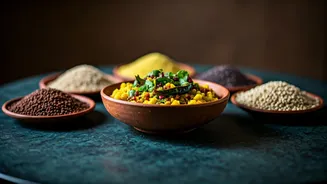
This isn't just a wellness trend confined to home cooking; it's a culinary movement. Younger generations, including millennials and Gen Z, are driving this shift. [3, 17] While they explore global flavours, they also crave authenticity and a connection to their roots. [3, 14] Innovative chefs are championing these ancient grains, incorporating them into modern, exciting dishes. [8, 15] You can now find millet dosas, ragi pancakes, jowar rotis, and even millet-based beer and risottos on the menus of hip cafes and upscale restaurants. [8, 22, 23] These dishes prove that traditional ingredients can be both healthy and sophisticated.
The Science of Satiety and Gut Health
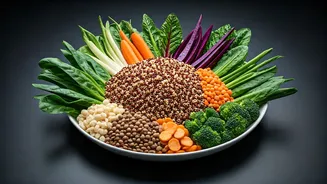
The renewed interest in high-fibre diets aligns with a global conversation about gut health. Dietary fibre is crucial because it passes through the digestive system largely undigested, feeding beneficial gut bacteria, adding bulk to stool, and ensuring regular bowel movements. [5] Traditional Indian meals, rich in whole grains, lentils (dals), vegetables, and fruits, are naturally high in fibre. [2, 9] A typical Indian meal with roti, dal, and sabzi can easily meet a significant portion of the daily recommended fibre intake of 25-40 grams. [2, 9] This focus on fibre helps in lowering cholesterol, managing blood sugar levels, and reducing the risk of digestive issues. [7, 5]
More Than a Meal: A Cultural Shift
The return to high-fibre, traditional foods represents more than just a dietary choice; it's a cultural shift. It reflects a growing pride in indigenous ingredients and culinary heritage. [16] For many, choosing a bowl of ragi porridge over a processed breakfast cereal is a conscious decision to embrace sustainability, health, and tradition. [14, 23] This movement challenges the notion that healthy eating must come from expensive, imported 'superfoods'. Instead, it finds wisdom in the familiar, proving that the answer to modern wellness concerns can often be found in the recipes passed down through generations. It's a delicious and wholesome return to roots.