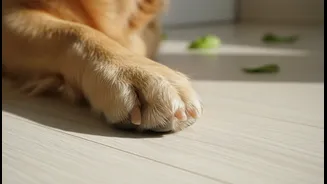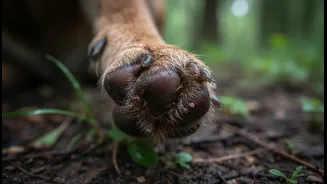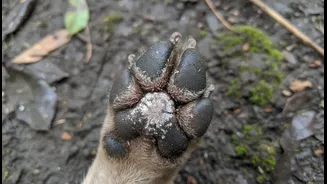



The Monsoon Paw Problem
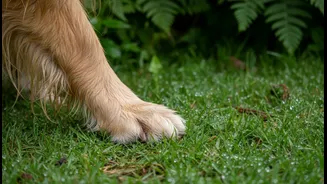
The monsoon season in India, with its high humidity and constant dampness, creates a perfect storm for pet skin issues. When your dog walks through puddles and wet grass, their paws, especially the areas between the toes, can remain moist for hours. This
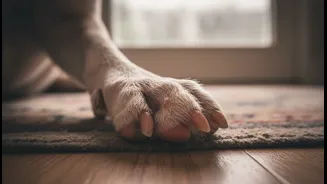
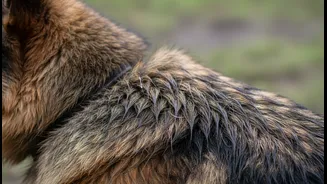
warm, damp environment is an ideal breeding ground for fungi and bacteria that naturally live on your dog's skin. During the monsoon, when humidity can exceed 80%, a dog's coat and paws simply don't have a chance to dry properly, leading to an overgrowth of these microorganisms. This condition, known as pododermatitis, refers to inflammation of the skin on the paws and is a common reason for vet visits during the rainy season.
Fungal vs. Bacterial Infections
While the headline points to fungal infections, it's important to know that both fungi and bacteria are major culprits. The most common fungal issue is a yeast infection, caused by a fungus called Malassezia. This often results in greasy skin, a distinct musty or 'cheesy' odour, and intense itching. Bacterial infections, often caused by Staphylococcus, can lead to pus-filled sores, redness, and swelling. Sometimes, these infections happen together. A fungal infection might cause the dog to lick so much that it breaks the skin, allowing a secondary bacterial infection to set in. Distinguishing between the two often requires a vet's diagnosis through tests like a skin scraping or cytology.
Signs Beyond Licking
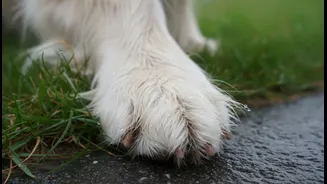
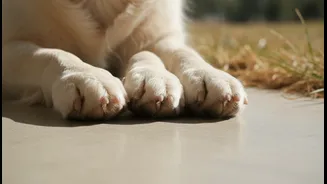
Excessive licking is the most obvious sign, but it's not the only one. A dog suffering from a paw infection might also show other symptoms. Look for redness and swelling, particularly in the webbing between their toes. You might notice a foul odour coming from their paws or see a greasy, discoloured discharge. The fur around the paws may be stained a reddish-brown from their saliva. In more advanced cases, you might see hair loss, scabs, or even painful sores called hot spots. Your dog may also limp or seem reluctant to walk, indicating significant pain or discomfort.
A Five-Minute Prevention Routine
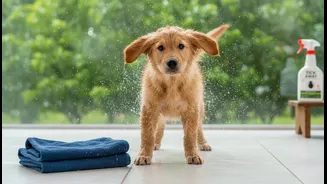
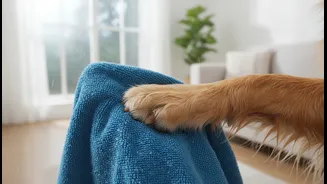
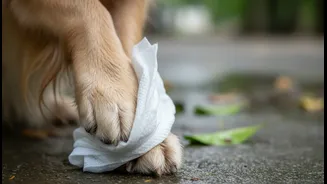
Prevention is the most effective way to protect your dog during the monsoon. The most crucial step is to keep their paws clean and dry. After every single walk, take a few minutes to thoroughly wash and, most importantly, dry their paws. Use a clean towel and pay special attention to the spaces between their toes where moisture loves to hide. For dogs with long fur, consider trimming the hair between their paw pads to improve air circulation and allow the skin to dry faster. If your dog is comfortable with them, waterproof booties can be a great way to keep paws dry on wet walks. This simple five-minute routine can prevent most monsoon-related paw problems.
When to Consult a Veterinarian
While good hygiene can prevent many issues, some infections require professional medical help. If you've been diligent with cleaning but the licking persists or worsens, it's time to see a vet. If you notice any open sores, significant swelling, pus, or a strong, foul odour, a vet visit is essential. These infections are not just uncomfortable; if left untreated, they can become deeply embedded, spread, and lead to more serious health complications. A vet can accurately diagnose the cause and prescribe the correct treatment, which might include medicated shampoos, topical creams, or oral antifungal or antibiotic medications. Do not use human antifungal creams, as they can be toxic if your dog licks them off.