







The Temptation at 35,000 Feet
The allure of in-flight Wi-Fi is undeniable. For years, a long-haul flight was a forced digital detox. Now, airlines increasingly offer the ability to stay online while crossing continents and oceans. For travellers from India on routes to Europe, North
America, or East Asia, this means the potential to answer urgent emails, catch up on social media, or stream entertainment to pass the time. As carriers like Air India expand their Wi-Fi-equipped fleet, the temptation to treat a 15-hour flight like a regular workday grows. The fear of missing out, whether on work deadlines or social updates, makes paying for a connection seem like a small price for peace of mind. But this convenience comes with a hidden cost that has nothing to do with your credit card statement.
The Real Price of Staying Online
The most significant cost of using Wi-Fi instead of sleeping is its impact on your body's internal clock, or circadian rhythm. Staring at the bright screen of a laptop, tablet, or phone exposes your eyes to high concentrations of blue light. This specific wavelength of light is particularly effective at suppressing the production of melatonin, the hormone that signals your body it's time to sleep. When you’re trying to adjust to a new time zone, melatonin is your best friend. Artificially delaying its release by scrolling through your inbox at what should be 2 AM at your destination makes it significantly harder for your body to adapt. You are essentially telling your brain to stay awake when it should be winding down, setting yourself up for a more severe case of jet lag upon arrival.
Why Sleep Is Your Best Travel Companion
Prioritising sleep on a long-haul flight is one of the most effective strategies for combating jet lag. Arriving at your destination well-rested means you are better equipped to handle the physical and mental stress of travel. Your cognitive function will be sharper, which is crucial whether you are heading into a business meeting or navigating a new city's public transport. Sleep also boosts your immune system, which can be suppressed by the combined stresses of air travel and a new environment. Think of it this way: the two hours you spend clearing out low-priority emails mid-flight could cost you a full day of grogginess, fatigue, and disorientation on the ground. By choosing to rest, you are investing in a more productive and enjoyable start to your trip.
Connectivity vs. Reality
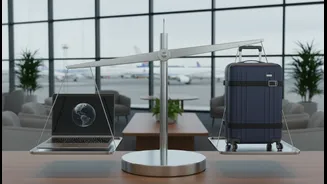
Even if you set aside the wellness argument, the practical reality of in-flight Wi-Fi is often underwhelming. The service can be expensive, with hourly or flight-long passes adding a significant amount to your travel costs. Furthermore, the quality is notoriously inconsistent. Satellite-based connections can be slow and patchy, especially when the aircraft is full and many passengers are trying to connect at once. Outages can be common, particularly over oceans or polar regions. Paying a premium for a frustratingly slow connection that simultaneously undermines your efforts to rest and adjust to a new time zone often turns out to be a poor value proposition. In many cases, you are better off saving your money and your energy.
A Smarter Approach to Flying
Instead of viewing a flight as a container for more work, try reframing it as a rare opportunity for mandatory rest and recovery. The world will not stop if you are offline for 10 to 15 hours. A few simple adjustments can make a world of difference. Before you fly, download any movies, music, podcasts, or books you want to enjoy. Put up a clear "out of office" message that manages expectations about your response time. Most importantly, pack for sleep success: a comfortable neck pillow, a high-quality eye mask to block out all light, and noise-cancelling headphones or earplugs are far more valuable than a laptop charger. When the cabin lights dim, take that as your cue to power down your devices and allow your body to begin the important work of adjusting.