







What Exactly Is Liquid Seaweed?
Liquid seaweed fertilizer is exactly what it sounds like: a nutrient-rich concentrate made from various species of seaweed. Typically, it’s produced through a cold-press process, which crushes the seaweed to extract its potent liquid without using heat
that could degrade its beneficial compounds. This liquid is then bottled, often in a concentrated form, to be diluted with water before use. It's not a complete NPK (Nitrogen, Phosphorus, Potassium) fertilizer in the traditional sense, but rather a powerful biostimulant. Think of it less as a heavy meal and more as a superfood vitamin smoothie for your plants, packed with trace elements and natural growth hormones.
The Superfood for Potted Plants
The magic of liquid seaweed lies in its complex composition. It contains over 60 minerals, vitamins, and enzymes, including crucial micronutrients like magnesium, calcium, and iron that are often missing from standard fertilizers. More importantly, it’s rich in natural growth hormones like auxins, cytokinins, and gibberellins. These hormones play a vital role in plant development. Auxins promote root growth, which is critical for nutrient uptake. Cytokinins encourage cell division, leading to stronger stems and more leaf development. This combination helps plants build resilience against environmental stress from heat, inconsistent watering, and pests—common challenges for any urban garden.
Why It's a Game-Changer for Balconies
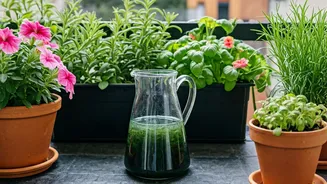
Balcony gardens are unique ecosystems. Plants in pots have a limited volume of soil, which means nutrients are depleted and washed away with every watering. This makes them highly dependent on regular feeding. Liquid seaweed addresses this perfectly. Because it strengthens the root system, plants become more efficient at absorbing whatever nutrients and water are available in the pot. It also improves the soil structure itself by encouraging beneficial microbial activity. This creates a healthier environment within the container, reducing the risk of root rot and other soil-borne issues. For city dwellers with limited storage, a single bottle of concentrate takes up minimal space but provides months of garden care.
Making It Truly Effortless: How to Use It
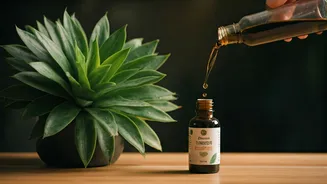
The “effortless” part comes from its ease of use. There’s no messy mixing of powders or complicated application schedules. The most common method is to dilute the concentrate in a watering can according to the package instructions—a little goes a long way. Typically, this is about one capful per few litres of water. Use this solution to water your plants as you normally would, a practice known as a 'soil drench'. Do this every two to four weeks during the growing season. For an extra boost, you can also use a more diluted solution in a spray bottle and mist the leaves. This is called 'foliar feeding' and allows the plant to absorb nutrients directly through its foliage, resulting in a quick green-up and glossier leaves.
Choosing the Right Product
When you're browsing for liquid seaweed, look for products labelled 'organic' and 'cold-pressed'. This ensures you're getting a pure, high-quality extract without synthetic chemicals or additives. The cold-press method preserves the delicate hormones and enzymes that provide the most significant benefits. While many brands are available online and in garden centres across India, the key is not the brand name but the production process. Avoid products with a long list of chemical-sounding ingredients. A good quality seaweed extract should have a simple, natural ingredient list. It's a small investment for a product that can dramatically improve the health and appearance of your entire balcony garden.