




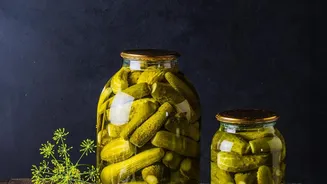

From Trash to Treasure
Every time you squeeze a lemon or peel an orange, you’re likely tossing out a valuable resource. Citrus peels, often destined for the bin, are packed with flavour, aromatic oils, and nutrients. They contain vitamin C, fibre, and beneficial plant compounds
like polyphenols. Instead of contributing to food waste, these peels can be transformed into a sophisticated condiment with a history rooted in Mediterranean and North African cuisine. The process, known as lacto-fermentation, not only preserves the peels for months but also unlocks a new dimension of complex, tangy, and slightly salty flavour that can elevate countless dishes.
The Science of 'Gut-Friendly'
So what makes these preserves “gut-friendly”? The magic lies in fermentation. By packing the peels in salt, you create an environment where beneficial lactic acid bacteria—the same kind found in yogurt and sauerkraut—can thrive. These microbes get to work, breaking down the natural sugars in the fruit and producing probiotics. Probiotics help balance your intestinal flora, which is essential for efficient digestion and absorbing nutrients. Furthermore, the fibre in citrus peels, particularly pectin, acts as a prebiotic, feeding the good bacteria already in your gut. Studies have shown that compounds in citrus peel can encourage the growth of beneficial bacteria like Lactobacillus and Bifidobacterium, supporting a healthy gut microbiome.
A Simple Guide to Fermented Citrus Peels
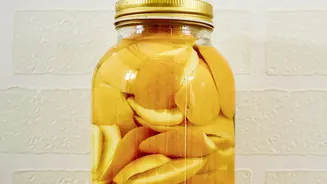
Making your own probiotic-rich citrus preserves is surprisingly simple and requires just two main ingredients: citrus and salt. Organic lemons are a classic choice and highly recommended since you'll be consuming the peel.Ingredients: 5-6 organic lemons (or any citrus like limes or oranges) High-quality sea salt (non-iodized), about 1/4 cup * A clean glass jar with an airtight lid Method: 1. Wash your lemons thoroughly. Trim the ends, as this is where mold can sometimes originate. 2. Working over a bowl to catch any juice, cut the lemons into quarters lengthwise, but don't slice all the way through; leave them connected at the base. 3. Generously pack salt inside the cuts of each lemon. Don't be shy—the salt is crucial for drawing out moisture and creating the fermenting brine. 4. Place a layer of salt at the bottom of your jar. Tightly pack the salted lemons inside, pressing down firmly to release their juices. The goal is to have the lemons submerged in their own salty juice. 5. If needed, squeeze the juice of an extra lemon over the top to ensure everything is covered. You can also add a little filtered water if there isn't enough liquid. It is critical that the peels stay below the brine, so you might need to use a fermentation weight to keep them submerged. 6. Seal the jar and let it sit at room temperature for about a week before transferring it to the refrigerator. The preserves are typically ready to use after about a month, and their flavour will continue to develop and improve over time.
Tips for Success and Storage
To ensure a successful ferment, always use clean jars and utensils to prevent unwanted bacteria. If you see any signs of fuzzy mold (not to be confused with a harmless white film called kahm yeast), it's best to discard the batch and start over. Keeping the peels fully submerged under the brine is the most effective way to prevent mold. Once your preserved lemons are ready, they can be stored in the refrigerator for up to a year. The high salt content and acidity act as natural preservatives, keeping your delicious creation safe and ready to use whenever you need a burst of flavour.
How to Use Your Citrus Preserves
The finished product is a versatile powerhouse of flavour. To use them, you typically rinse the preserved peel to remove excess salt, then finely chop or mince it, discarding the inner pulp if you wish. The softened, flavour-infused rind is what you’re after. It adds a bright, complex, umami-like lemon flavour to dishes that is far more nuanced than fresh lemon juice. Try adding it to salad dressings, marinades for chicken or fish, stews and tagines, grain bowls, or pasta dishes. You can even blend it into sauces or dips for an unforgettable tangy kick. It's a simple way to add chef-level complexity to your everyday cooking.