






The Surprising Power of Fresh Air
The simplest and most effective tool for wardrobe maintenance is entirely free: fresh air. Before the advent of constant washing, airing out clothes was a standard practice to keep them fresh. Natural fibres like wool and cashmere, in particular, benefit
immensely from this. Hanging your garments outdoors or near an open window allows air to circulate through the fibres, which helps to wick away any trapped moisture and dissipate odours from sweat or the environment. Even on a cool day, the airflow works to reset the fabric, leaving it feeling and smelling much cleaner without the wear and tear of a wash cycle.
How to Air Out Garments Correctly
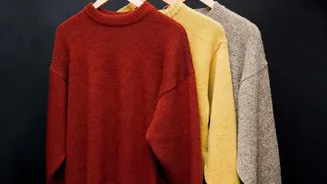
There is a right way to give your clothes a breath of fresh air. For delicate knits like cashmere or merino wool, avoid hanging them as the weight of the garment when damp can cause stretching. Instead, lay them flat on a clean surface or a drying rack. While sunlight is a natural disinfectant, its UV rays can also cause colours to fade over time. It is best to air clothes in a shaded, breezy spot. A few hours is often enough to work wonders. For items that have been in storage, a good airing is the perfect first step to shedding any musty smells before you wear them.
Always Clean Before You Store
One of the golden rules of wardrobe care is to never store clothes that are dirty. Invisible body oils, sweat, and small food particles are a magnet for pests like moths, which feed on the soiled fibres. Before packing away any winter items for the season, ensure they are properly washed or dry-cleaned according to their care labels. This step is crucial for preventing discolouration, permanent stains, and pest infestations during storage. A clean start ensures your clothes will emerge in the same condition you stored them.
Smart Storage Solutions
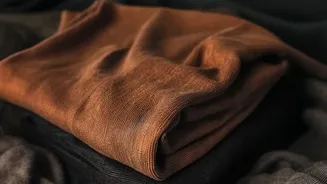
How you store your unworn winter clothes is just as important as cleaning them. Avoid sealing them in plastic bags or bins, which can trap moisture and lead to mildew and yellowing. Breathable storage, such as cotton garment bags or canvas bins, is a far better choice as it allows for air circulation. Heavy knitwear should be folded neatly rather than hung, which can cause the shoulders to stretch and lose their shape. For structured coats, use broad, padded hangers to support their form. The ideal storage location is a cool, dry, and dark place, like a closet or under a bed, away from the fluctuating temperatures and humidity of attics or basements.
Natural Pest and Odour Repellents
To keep mustiness and moths at bay, you don't need to rely on harsh chemical mothballs. Natural repellents can be just as effective and leave your wardrobe smelling wonderful. Cedar blocks or balls are a classic choice; their oil is known to repel moth larvae. Sachets filled with dried lavender, cloves, or eucalyptus not only deter pests but also impart a subtle, pleasant fragrance to your clothes. For an Indian touch, dried neem leaves can also be placed in closets. Remember to refresh these natural repellents every few months as their scent and effectiveness fade over time.
The Mid-Season Check-In
Even with the best preparation, it’s a good idea to check on your stored winter clothes periodically, especially during humid seasons like the monsoon. Open your storage containers every few weeks to allow for air exchange and to ensure no mustiness is developing. This quick inspection can help you catch any potential issues early. You can also use this opportunity to refresh your natural repellents. A little bit of mid-season attention ensures that when a sudden cold snap arrives, your favourite sweater is fresh, undamaged, and ready to wear.