






The New National Dinnertime
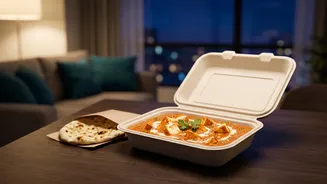
The traditional 9 p.m. family dinner is fading into nostalgia for a significant portion of urban India. Data and industry observations show a massive shift towards later meal times, with orders on food delivery platforms surging between 11 p.m. and 3
a.m.. Over the past year alone, late-night delivery volumes have reportedly doubled, indicating a fundamental change in lifestyle rather than a temporary fad.. This isn't just a metro phenomenon affecting Bengaluru, Hyderabad, and Mumbai; the trend is rapidly expanding across corporate hubs in tier-2 cities like Surat, Lucknow, and Kochi.. Major food chains are adapting, with brands like McDonald's and Domino's now keeping a significant number of outlets open until 3 a.m. to meet the demand..
Driven by the 'Always-On' Work Culture
A primary driver of this nocturnal eating trend is the evolution of the modern Indian workplace.. Long workdays, global team collaborations that stretch across time zones, and the pressures of the gig economy mean the traditional nine-to-five is no longer the norm.. For many, the workday doesn't truly end until late in the evening, making a late meal an unavoidable reality.. Food delivery platforms have recognized this, with Swiggy recently launching a 'Late Night Eats' program specifically for professionals working late.. Internal data from the company revealed that 25% of corporate employees in major locations place food orders after 10 p.m. while still at the office, a figure that has seen double-digit growth..
Technology, Convenience, and Choice
This behavioural shift would be impossible without the technology that enables it. Food delivery apps have removed the friction that once defined late-night eating, which was previously limited by a lack of options and logistical hurdles.. Today, with thousands of restaurants and dedicated '2 AM Clubs' available at the touch of a button, ordering a meal at midnight feels as normal as doing so at noon.. The menu is no longer restricted to leftovers or instant noodles. Consumers are ordering everything from pizzas and burgers to healthy grain bowls, salads, and even elaborate desserts, turning the late-night meal into an occasion of choice rather than desperation..
An Emotional Outlet and a Personal Reward
Beyond simple hunger, the late-night order serves a deep psychological need. For many, it acts as a form of reward or self-care after a long and stressful day.. In a life packed with professional and personal commitments, choosing and enjoying a meal in the quiet of the night can be a small, controllable act of pleasure.. It can also be a response to decision fatigue; after a day of making choices, the simple act of ordering a familiar comfort food provides relief.. This meal is often paired with streaming entertainment, becoming a new kind of social ritual—one that is solitary yet connected to a shared cultural experience of unwinding..
What We Eat When No One is Watching
The choices made during these late hours are telling. Comfort foods reign supreme. According to platform data, pizzas and burgers are consistently top sellers after dark.. Chicken biryani and chicken rolls also feature heavily, pointing to a desire for satisfying, flavour-packed meals.. However, there is also a growing demand for healthier options, with curated menus offering salads, grain bowls, and light meals like khichdi or dal.. This reflects a duality in the urban Indian mindset: the craving for indulgence co-exists with an awareness of health, creating a complex portrait of our priorities and desires when we are finally off the clock.