





What 'Visa-Free' Actually Means
First, let's clear up a common misconception. Visa-free travel doesn't grant an automatic right to enter Thailand. Instead, it waives the requirement to apply for a visa before you travel. The final decision to let you into the country rests solely with
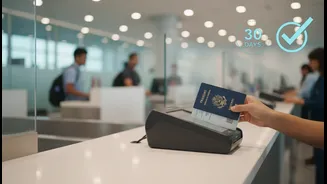
the immigration officer at the airport or land border. They are the gatekeepers, and their job is to ensure every visitor is a genuine tourist who will comply with the country's laws, including leaving before their permitted stay expires. Think of the visa-free scheme as your ticket to the front of the line, but you still need to pass the final inspection. This is why having all your documents in perfect order is so critical. Any doubt in the officer's mind can lead to further questioning or, in a worst-case scenario, denial of entry.
The Essential Document Checklist
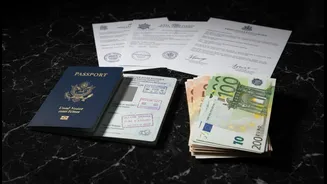
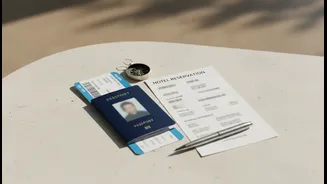
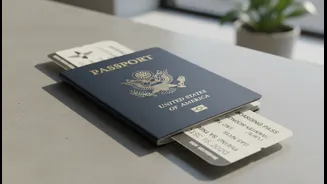
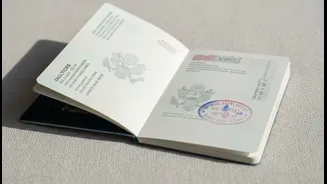
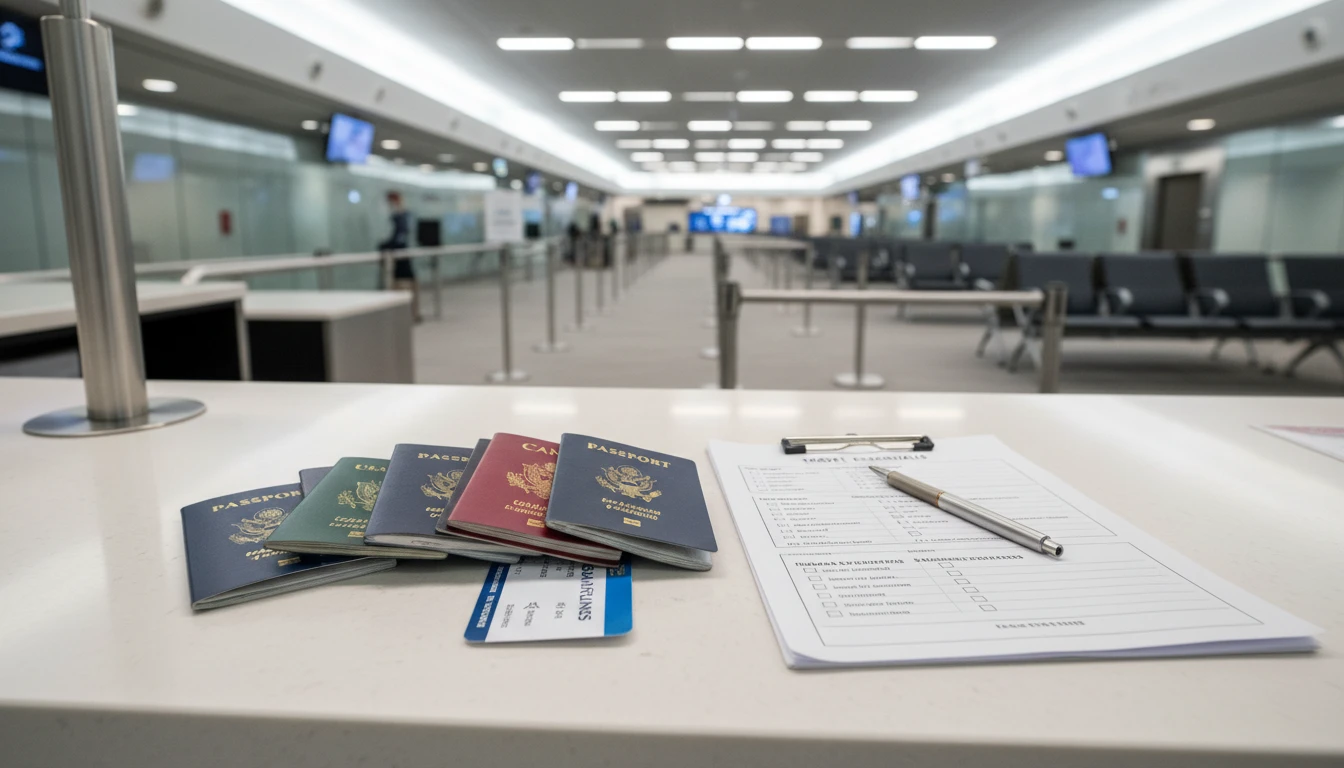
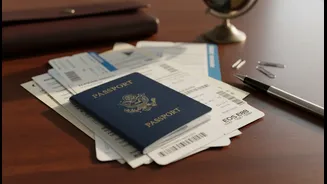
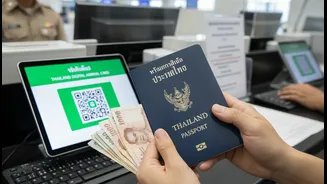
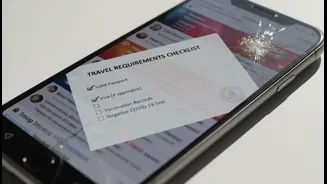
To ensure a smooth process, you must arrive with a complete set of documents. Immigration officers may ask for any or all of the following, and not having them ready is a major red flag. 1. Passport: Must be valid for at least six months from your date of entry and have at least one unused page. 2. Confirmed Return/Onward Ticket: You must prove you intend to leave Thailand within the 30-day limit. A confirmed flight ticket is the standard requirement. 3. Proof of Accommodation: Have printouts or digital copies of your hotel bookings for at least the first few nights of your stay. A clear itinerary shows you are a well-prepared tourist. 4. Completed Digital Arrival Card (TDAC): All foreign nationals must complete the TDAC online between 24 and 72 hours before arrival. Save the QR code you receive to your phone. 5. Proof of Sufficient Funds: This is a big one. You must be able to prove you can support yourself during your trip.
The Crucial 'Proof of Funds' Rule
The requirement to show proof of funds catches many travellers off guard. Thai immigration authorities may ask you to show that you have adequate finances, which is generally considered to be 10,000 to 20,000 Thai Baht (THB) per person or 20,000 to 40,000 THB per family. While checks are random, enforcement has become stricter. Crucially, immigration officers often prefer to see this as physical cash. Relying solely on credit cards or digital bank statements on your phone might not be accepted during a secondary inspection. This rule exists to prevent illegal work and to ensure tourists don't become a public burden. The safest bet is to carry the required amount in cash, whether in Baht or a major foreign currency like US Dollars, which you can exchange after clearing immigration.
Facing the Immigration Officer
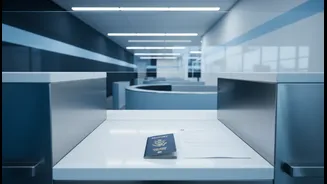
Your interaction at the immigration counter is a key part of the process. Be polite, confident, and have your documents organised. The officer may ask simple questions about the purpose of your visit, the length of your stay, and where you are staying. Answer honestly and concisely. If they ask for your return ticket or proof of funds, present them without argument. Remember, their primary concern is immigration control. Patterns that suggest you might not be a genuine tourist, such as having made multiple back-to-back “visa runs” in the past, can trigger extra scrutiny. Any history of overstaying in Thailand, even if fines were paid, is a permanent red flag in their system.
Airports vs. Land Borders
While the core rules apply everywhere, there can be a difference in scrutiny between arriving at a major international airport like Bangkok's Suvarnabhumi (BKK) and crossing at a land border. Airports are generally streamlined for high volumes of tourists. Land border crossings, however, can sometimes involve stricter checks. Officials at land borders are often more alert to individuals making repeated entries to live or work illegally. Regardless of how you enter, the fundamental requirements for your passport, onward travel, accommodation proof, and funds remain the same. Never assume one entry point is “easier” than another; always be fully prepared.