

The Glow of Ancient Wisdom
Long before serums and chemical peels, the beauty routines of Indian royalty were sophisticated rituals rooted in Ayurveda, the 5,000-year-old science of life. In the palaces of Rajasthan, the courts of the Mughals, and the kingdoms of the south, beauty was
not merely cosmetic. It was 'saundarya'—a radiance believed to emanate from a perfect balance of mind, body, and spirit. This philosophy treated skin as a reflection of inner health, and the royal apothecaries were filled with nature's most potent ingredients to maintain this harmony. From saffron-infused milk baths to cooling sandalwood pastes, these practices were designed to nourish, heal, and illuminate the skin from within.
The Royal Dressing Table
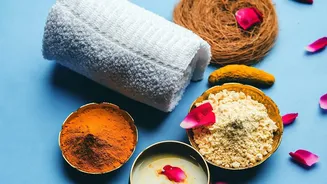
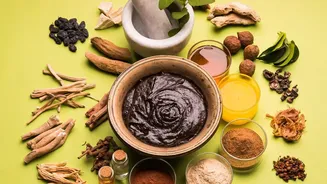
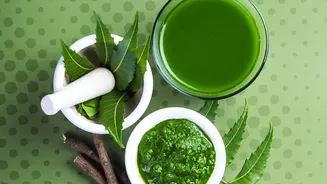
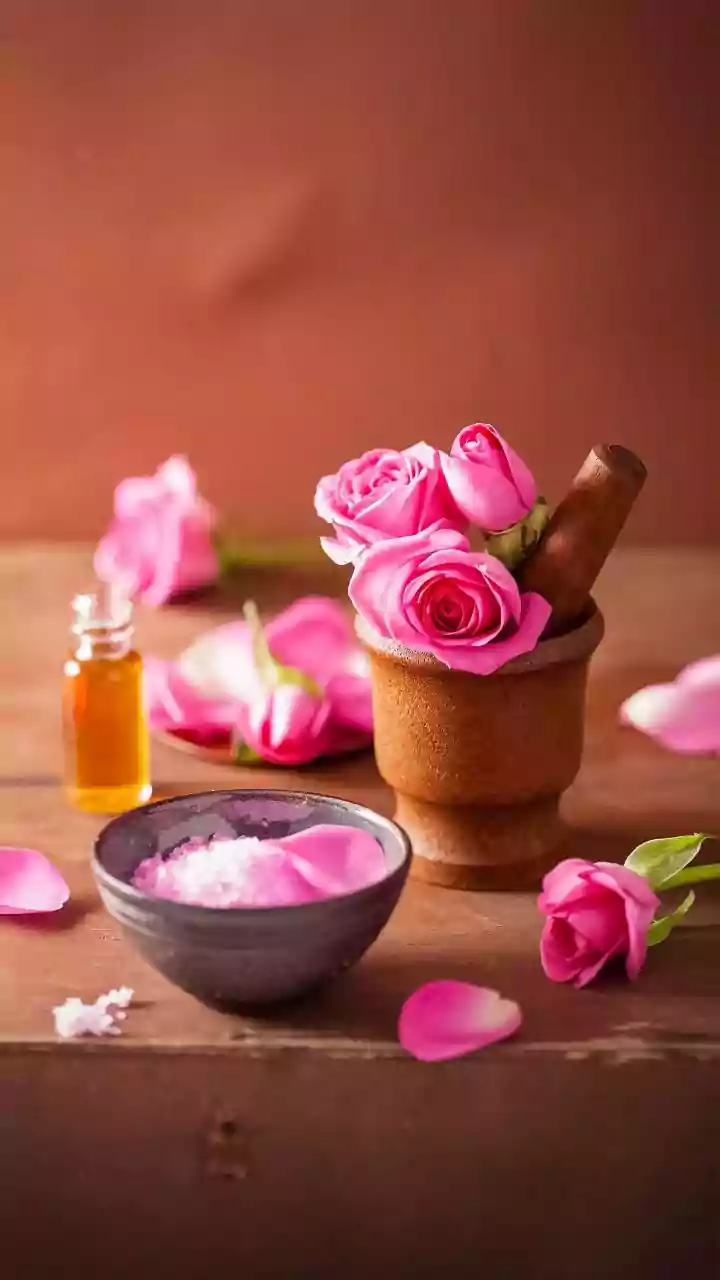
The ingredients used by Indian queens read like a modern-day luxury skincare label. Saffron, or 'kesar', was prized for its ability to brighten the complexion and was often used by Rajput queens like Rani Padmini in milk baths. Mughal empresses, including Nur Jahan, popularized the use of rose water ('gulab jal') as a hydrating toner to calm sun-stressed skin. In South India, wild turmeric ('kasturi manjal') and neem were staples for their purifying and anti-inflammatory properties, preventing acne and promoting clarity. Sandalwood, or 'chandan', was another universal favourite, used in cooling pastes to soothe irritation and reduce blemishes. These ingredients weren't chosen at random; they were part of a complex system designed to balance the body's energies, or 'doshas'.
Ubtan: The Original Power-Packed Scrub
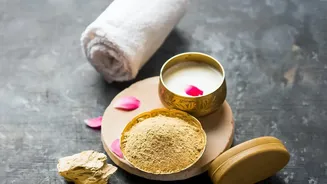
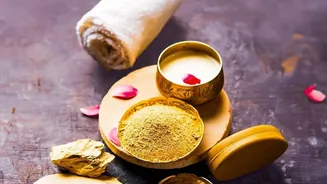
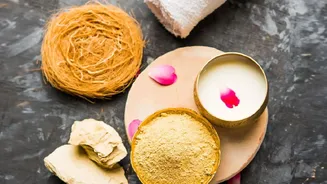
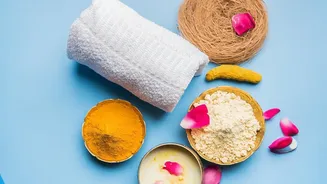
Central to these royal rituals was the 'ubtan', a powerful exfoliating paste that served as a cleanser, scrub, and mask all in one. The recipe for this traditional preparation varied by region and family, but it typically consisted of a blend of gram flour ('besan'), turmeric, sandalwood, and milk or rose water. Sometimes, more luxurious additions like crushed herbs, saffron, and nut powders were included. Historically, ubtan was a staple in the pre-wedding ceremonies for both brides and grooms, believed to purify and soften the skin, leaving it with a luminous glow. This multi-purpose treatment gently removed dead skin cells, reduced tan, and stimulated the underlying tissues without stripping the skin of its natural oils.
More Than Skin Deep: The Holistic Approach
Ayurvedic beauty was never just about topical applications. It was a holistic lifestyle. The three pillars of beauty in Ayurveda are Roopam (outer beauty), Gunam (inner beauty), and Vayastyag (lasting beauty). This philosophy holds that true radiance comes from within. Royal routines often included 'abhyanga', a practice of self-massage with warm, herb-infused oils like sesame or coconut to nourish the body's tissues and calm the nervous system. Oils were infused with botanicals like amla, hibiscus, and brahmi. Diet was also crucial, as beauty was seen as the end product of good digestion and nutrition. Even the aromas of the palace, scented with vetiver and jasmine, were considered part of the beauty ritual, designed to uplift the mood and create a serene aura.
From Palace to Your Shelf
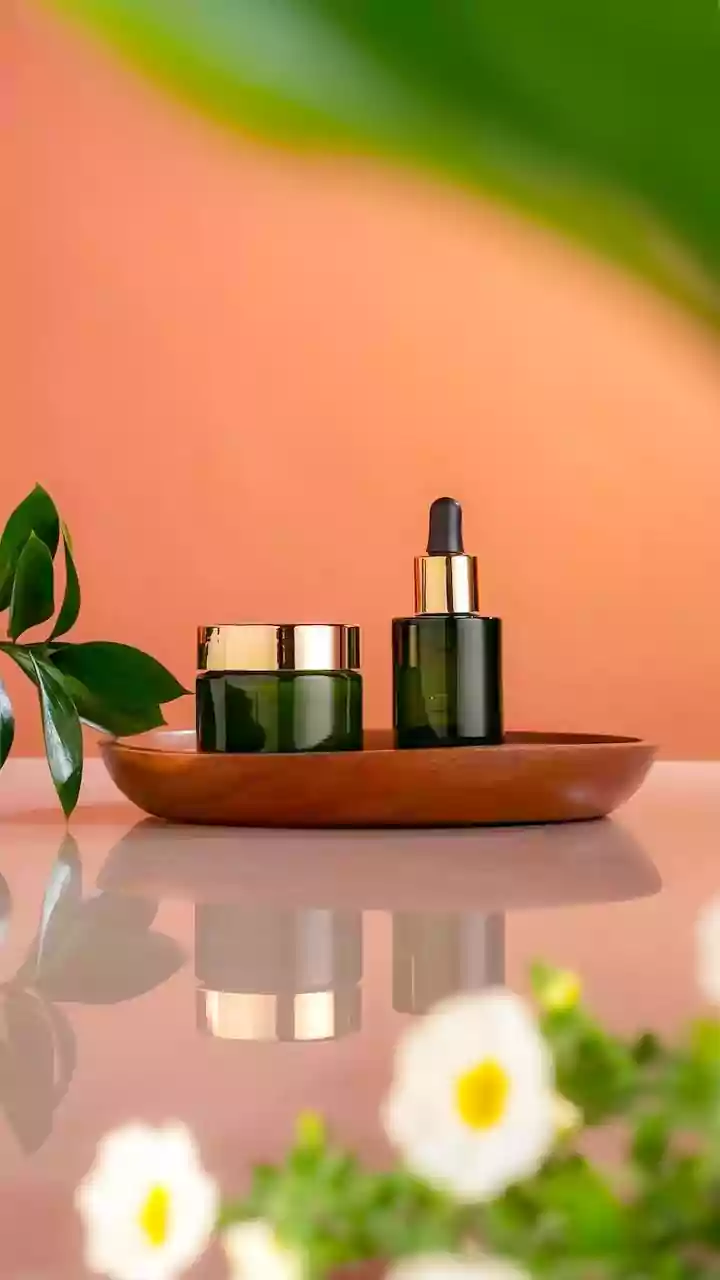
Today, this royal heritage is experiencing a global renaissance. A new wave of 'A-beauty' brands are blending ancient Ayurvedic recipes with modern science, making these time-honoured rituals accessible to a contemporary audience. Products featuring saffron, turmeric, and sandalwood are no longer confined to DIY recipes but are the hero ingredients in clinically tested serums, cleansers, and masks. Brands are reviving formulations like Kumkumadi Tailam, a fabled oil blend known for promoting a youthful glow. This movement is not just about selling ingredients, but about sharing the story behind them—the philosophy of slow, intentional self-care that was perfected in the zenanas of Indian palaces. They offer a return to natural, holistic wellness that feels both ancient and incredibly modern.