





Saturn Puts on Its Best Show
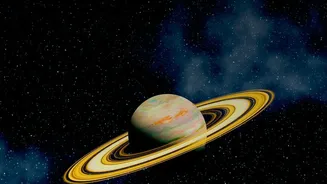
The month kicks off with a brilliant display from the ringed planet. On October 4, Saturn reaches opposition, an event where Earth passes directly between the Sun and Saturn. This alignment means the planet will be at its closest approach to Earth for
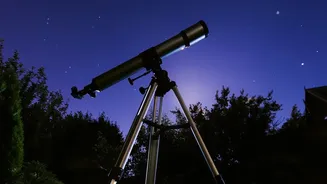
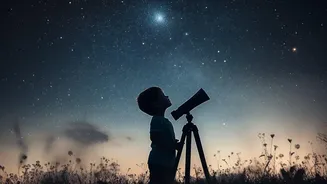
the year, making it appear bigger and brighter than usual. You won't need a telescope to spot it—it will be visible to the naked eye all night long, rising around sunset and setting around sunrise. However, if you have access to even a small telescope or a good pair of binoculars, you'll be rewarded with a view of its famous rings and maybe even a few of its brightest moons. It's a fantastic opportunity to appreciate one of the most stunning objects in our solar system.
The Unpredictable Draconid Meteors
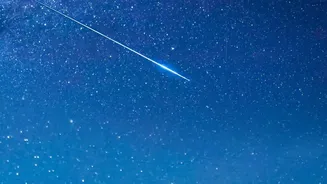
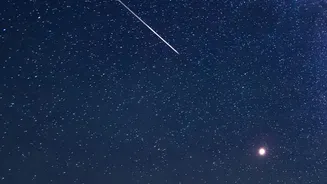
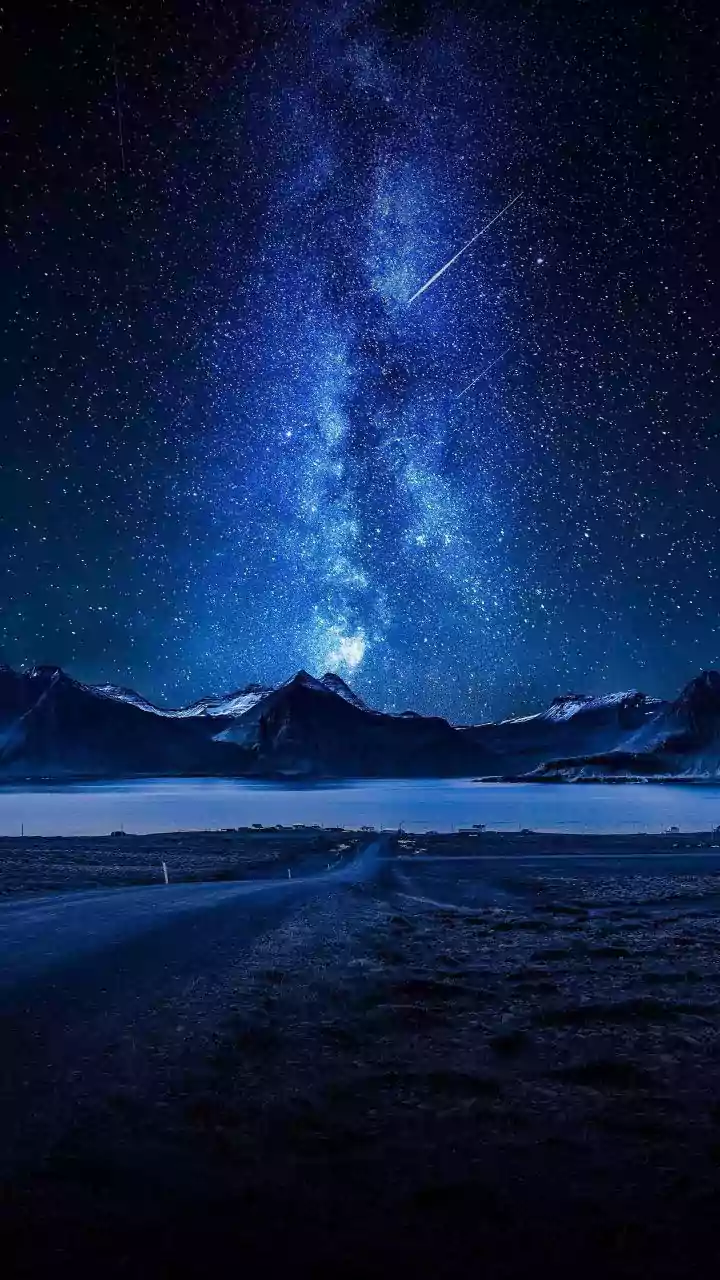
Next up is the Draconid meteor shower, peaking on the evening of October 8 into the early hours of October 9. Unlike most meteor showers that are best viewed after midnight, the Draconids are often at their most active in the evening, just as darkness falls. This shower is produced by dust from the comet 21P/Giacobini-Zinner. While it's typically a quiet shower, offering about 5-10 meteors per hour, the Draconids have a reputation for surprising outbursts. In 1933 and 1946, they produced intense meteor storms with hundreds of shooting stars per hour. While no such storm is predicted for 2026, the excellent viewing conditions—with no bright moon to wash out the sky—make it worth watching.
The Orionids Arrive from Halley's Comet
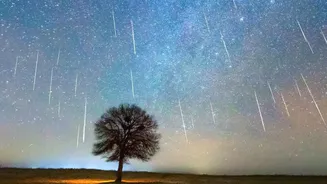
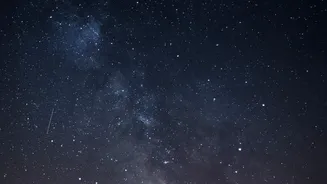
October's main event for meteor lovers is the Orionid meteor shower, which peaks on the night of October 21-22. These meteors are fragments of the famous Halley's Comet, and they are known for being fast and bright, often leaving glowing trails that can linger for a few seconds. At its peak, you can expect to see up to 20 meteors per hour under ideal conditions. This year, a bright waxing gibbous moon will interfere with the show during the evening hours. However, the Moon sets after midnight, leaving the pre-dawn hours dark and perfect for viewing. For the best experience, find a spot away from city lights, let your eyes adjust to the dark, and look towards the constellation Orion, the shower's radiant point.
The Full Hunter's Moon
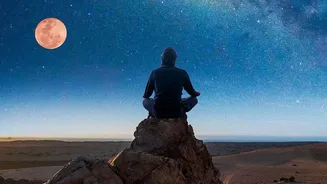
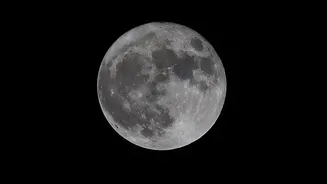
The month closes with a beautiful full moon on October 26, traditionally known as the Hunter's Moon. This name comes from the time when harvested fields made it easier for hunters to spot game by the bright moonlight. The moon officially becomes full shortly after midnight in the early hours of October 26, but the most breathtaking view will be at moonrise on the evenings of October 25 and 26. As it climbs above the eastern horizon around sunset, the moon will appear large and take on a stunning orange or reddish hue. This is due to a phenomenon called the Moon Illusion and the scattering of light by Earth's atmosphere. No special equipment is needed—just find a clear view of the eastern horizon and enjoy one of nature's most serene sights.