



From Necessity to a Culinary Upgrade
For years, the focus on protein was primarily about nutrition. It became a staple for staying full and building muscle, but the day-to-day reality often involved bland, repetitive meals. Many home cooks fell into a rut of pan-frying, baking, or boiling,
leading to proteins that were functional but far from exciting. Now, a cultural shift is underway. Driven by a desire to make home cooking more enjoyable and achieve restaurant-quality results, people are looking beyond the recipe and focusing on the method. This renewed interest is turning once-intimidating culinary school techniques into practical tools for the everyday kitchen, proving that how you cook is just as important as what you cook. People are getting creative with everything from Greek yogurt and cottage cheese to lentils and eggs, moving past the era of plain, dry chicken breasts.
Precision Cooking Goes Mainstream
One of the biggest game-changers is sous-vide, a French technique that means "under vacuum". Once the exclusive domain of high-end restaurants with expensive equipment, sous-vide has become accessible to home cooks thanks to affordable immersion circulators. The process involves vacuum-sealing food (like a steak or chicken breast) and cooking it in a precisely controlled water bath. This low-and-slow method makes it nearly impossible to overcook your food. The result is unparalleled consistency—a steak that is perfectly medium-rare from edge to edge, or chicken that is incredibly juicy every single time. After the water bath, a quick sear in a hot pan provides the desired color and crust, combining a flawless interior with a beautiful exterior finish.
Working Backwards with the Reverse Sear
For those who love a perfect crust on their steak without the guesswork, the reverse sear has become a go-to method. Traditionally, a steak is seared at high heat first and then finished in the oven. The reverse sear flips that script. You start by cooking a thick-cut steak in a low-temperature oven until it's just shy of your target doneness. Then, you finish it with a very quick, high-heat sear in a hot skillet. This approach has several advantages. The initial low-and-slow cooking ensures the steak cooks evenly throughout, eliminating the common issue of a gray, overcooked band just below the crust. It also dries the surface of the meat, which allows for a faster, crispier, and more flavorful crust during the final sear. It’s a simple, reliable technique that gives you more control and consistently delicious results.
A Textural Revolution for Plant Proteins
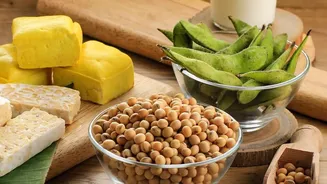
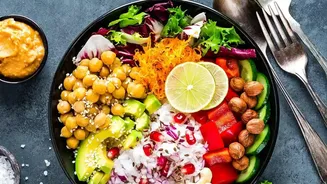
The focus on technique isn't limited to meat. Plant-based proteins like tofu, lentils, and beans are also receiving a major upgrade. The challenge with many plant proteins is often texture—they can be mushy or grainy. However, new approaches are changing that. For tofu and tempeh, techniques like pressing out excess water, freezing to change the internal structure, and tearing instead of slicing create more varied, meat-like textures that hold sauces better. For pea proteins, which can be gritty, new formulation techniques focus on proper hydration, temperature control, and high-speed blending to create a smoother mouthfeel. In the wider market, innovations like high-moisture extrusion and controlled freezing are being used to create plant-based products with a fibrous texture that more closely mimics meat. At home, this translates to roasting vegetables and legumes at high heat for better caramelization and adding ingredients with savory umami flavors like mushrooms or sun-dried tomatoes to build depth.