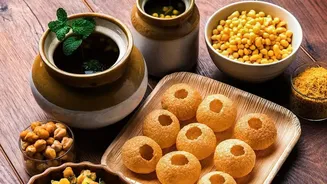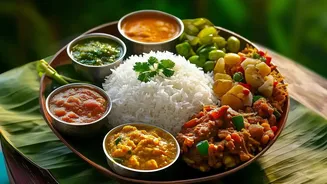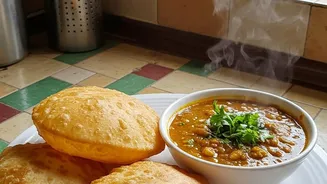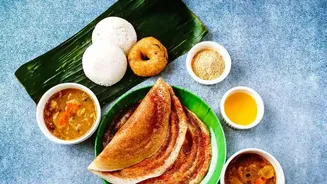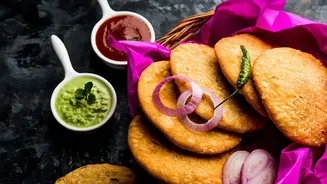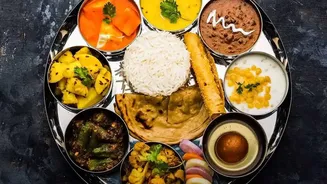

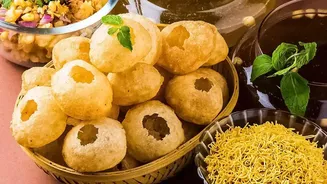

Ever craved a winter delicacy in peak summer and found it on a city menu? A quiet revolution is reshaping Indian food, making hyper-local, seasonal dishes a staple in urban restaurants, regardless of the calendar. Here’s how it's happening.
A Growing Appetite for Authenticity
The era of
a monolithic 'Indian cuisine' is fading. Urban diners, exposed to global trends and armed with adventurous palates, are increasingly seeking specific, regional flavours beyond the usual butter chicken and biryani. This curiosity has sparked a nationwide trend: restaurants are digging deep into the culinary heritage of different states, from Nagaland's fermented bamboo shoot curries to Odisha's Chhena Poda. This shift isn't just about nostalgia; it’s a celebration of India's vast culinary diversity. Diners want to know the story behind their food—which valley a recipe comes from or how a community traditionally prepares a meal. This demand for hyper-regional storytelling has pushed chefs to champion lesser-known dishes, transforming what was once considered niche into a refined, contemporary experience.
The Challenge of the Calendar
Offering a seasonal dish like Kashmir's Hokh Syun, a winter curry made of sun-dried vegetables, or a summery jackfruit biryani year-round presents a significant challenge. The primary obstacle is sourcing. Many regional recipes depend on ingredients that are only available for a few months in a specific area. Flying in highly perishable items like fresh curry leaves, unique regional mangoes, or specific gourds across thousands of miles is not only expensive but also carries a high environmental cost. Furthermore, maintaining the authentic taste and texture of a dish when its core ingredients are unavailable or out of season is a major culinary puzzle for chefs. It requires a delicate balance between honouring tradition and embracing innovation.
Innovation in the Kitchen
To bridge the seasonal gap, chefs are turning to a blend of age-old preservation techniques and modern culinary science. Sun-drying, a traditional method used in places like Kashmir to preserve vegetables for harsh winters, is being adopted more widely. Beyond that, modern techniques like flash-freezing and dehydration allow kitchens to capture produce at its peak freshness and store it for months without significant loss of flavour. When a specific ingredient is simply unobtainable, chefs get creative with substitutions. For example, the tartness of raw mango might be replicated using green apples or gooseberries, while local zucchinis might stand in for sub-tropical gourds. The goal is to match the flavour profile and function of the original ingredient, creating a dish that feels true to its roots even if the components have been adapted.
The Supply Chain Revolution
This culinary movement wouldn't be possible without a parallel revolution in India's food supply chain. What was once a fragmented system is becoming more organised. Specialised suppliers and distributors now work to bring authentic regional ingredients to kitchens across the country. They partner with local farmers and cooperatives in states like Kerala for spices or Rajasthan for cumin, ensuring a steady flow of high-quality, authentic products. This involves sophisticated logistics, including cold storage and efficient transport, to manage perishability. Some companies even offer pre-made, chef-grade regional gravies and pastes, allowing restaurants to achieve consistent, authentic flavours without the complexity of sourcing dozens of individual spices. This simplification of the supply chain empowers chefs to experiment with diverse regional menus more freely.
Is Something Lost in Translation?
While this trend makes regional food more accessible, it also raises questions about authenticity. Does a dish made with substitute ingredients or premade pastes carry the same soul as one cooked traditionally with fresh, local produce? Many chefs argue that the key is to respect the original recipe's essence while adapting its presentation or components for a modern, non local audience. This might mean adjusting spice levels, using lighter cooking methods, or focusing on clean, minimalist plating. This evolution is seen by many not as a dilution, but as a sign of a maturing culinary identity—one that is confident enough to adapt. By applying the wisdom of traditional cooking to new environments, chefs are creating an evolved, sustainable sub genre of Indian cuisine that keeps heritage alive on the national stage.