


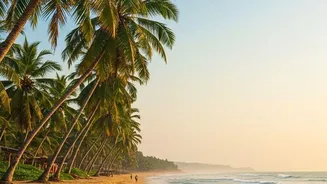
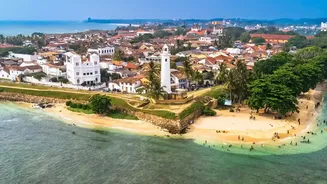

The Southern Route: Colombo to Galle
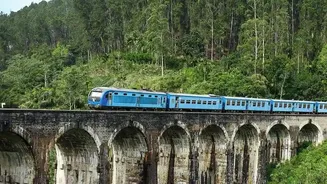
Your journey likely begins in Colombo. After landing, a great first step for any budget traveller is to get a local SIM card and exchange some currency at the airport. From Colombo, the real coastal adventure starts with the train south. The Colombo to Galle
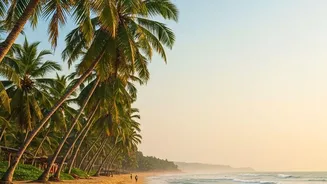
line is one of the most scenic coastal train journeys in the world, running just metres from the Indian Ocean. A second or third-class ticket is incredibly affordable, often costing less than a couple hundred rupees. This two-to-three-hour ride is your gateway to the famous southern beaches, offering a transport experience that is as much a highlight as the destinations themselves. It is an unreserved journey, so be prepared for it to be crowded, especially on weekends.
Galle to Mirissa: Forts, Beaches, and Whales
Galle, a UNESCO World Heritage site, is a must-visit. Spend a day wandering the charming streets of the Dutch Fort before continuing your journey. From Galle, popular beach towns like Unawatuna and Mirissa are just a short bus or tuk-tuk ride away. Mirissa is famous as a hub for whale watching tours and offers a laid-back backpacker vibe. This stretch is well-trodden, meaning you will find plenty of affordable guesthouses, hostels, and local eateries serving delicious rice and curry. Accommodation in these areas can start from as low as ₹800-₹1200 per night, making it very friendly for a solo backpacker's wallet.
Deeper South: Tangalle and Beyond
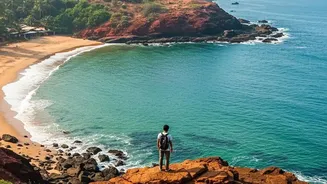
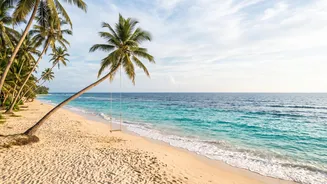
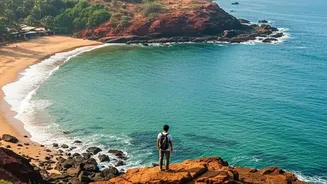
For those looking to escape the main tourist trail, the coastline between Mirissa and Tangalle offers quieter, more secluded beaches like Goyambokka and Hiriketiya. These spots are perfect for relaxing, reading a book in a hammock, and enjoying the slow pace of coastal life. Travel between these towns is easily managed by local buses, which are the cheapest way to get around. A bus ride from Mirissa to Tangalle, for instance, can cost under 100 Sri Lankan Rupees. Here, homestays become an even more popular and rewarding option, offering a chance to connect with local families and enjoy home-cooked meals.
The East Coast: Arugam Bay's Surf and Vibe
When the monsoon season affects the south-west (typically May to September), the east coast comes alive. Arugam Bay is the crown jewel of the east, world-renowned for its surfing scene. It has a distinct, rustic charm with a relaxed atmosphere. While getting here from the south requires a longer bus journey, the trip is worth it for the different landscape and culture. The area is dotted with surf schools for beginners and has breaks suitable for all levels. Accommodation here also caters to budget travellers, with many beach shacks and surf camps available.
Your Daily Budget in Sri Lankan Rupees
Sri Lanka is remarkably affordable for Indian travellers. A frugal backpacker can comfortably manage on a daily budget of around $22 (approximately ₹1,800), sticking to hostels and local food. A more comfortable budget of $40-$50 (around ₹3,300-₹4,100) allows for private rooms in guesthouses and a mix of local and restaurant meals. Food is a major highlight and a huge money-saver; a delicious plate of rice and curry from a local spot can cost as little as ₹200-₹350. Public transport is another area where you'll save significantly, with long train and bus journeys often costing just a few hundred rupees.
Essential Tips for Indian Travellers
Before you go, ensure you apply for the Electronic Travel Authorisation (ETA) online via the official government portal; as of recent policies, it has often been free for Indian passport holders. While UPI is expanding, it's not yet widely available, so carrying cash (LKR) is essential for tuk-tuks, local shops, and small eateries. Ride-hailing apps like Uber and PickMe are available in major cities like Colombo and Kandy and can be useful for fair-priced tuk-tuk rides. The food is very palatable to Indian tastes, with dhal curry being a staple everywhere. Finally, English is widely spoken in tourist areas, making navigation and communication straightforward for a solo traveller.