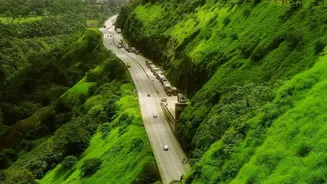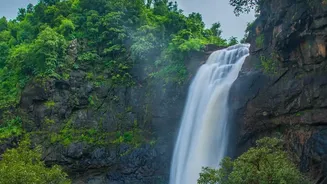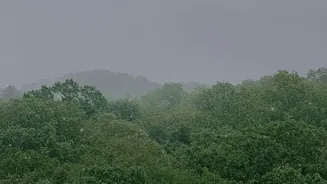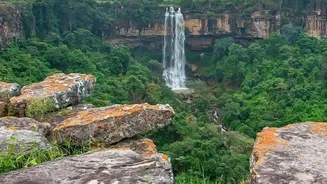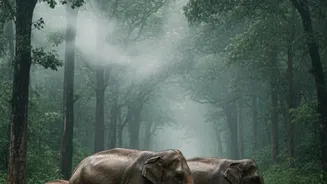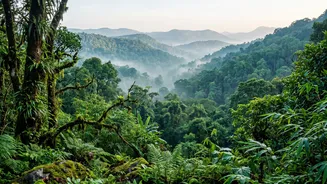

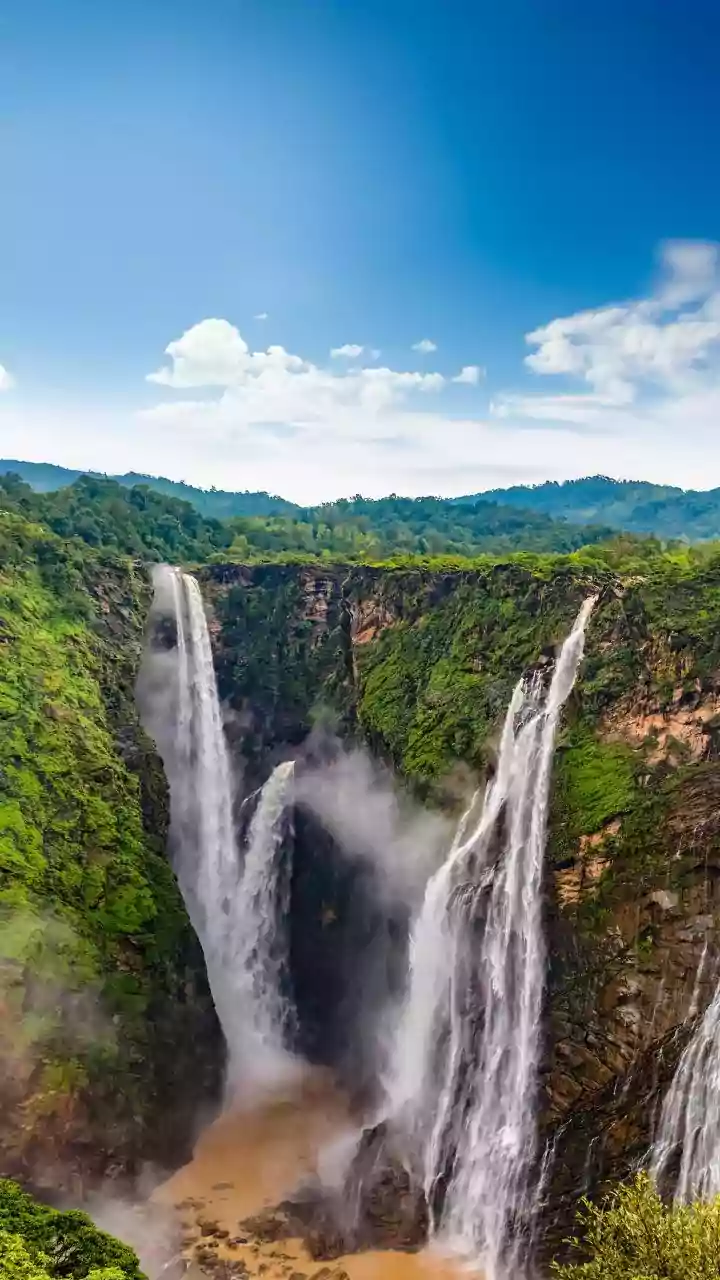

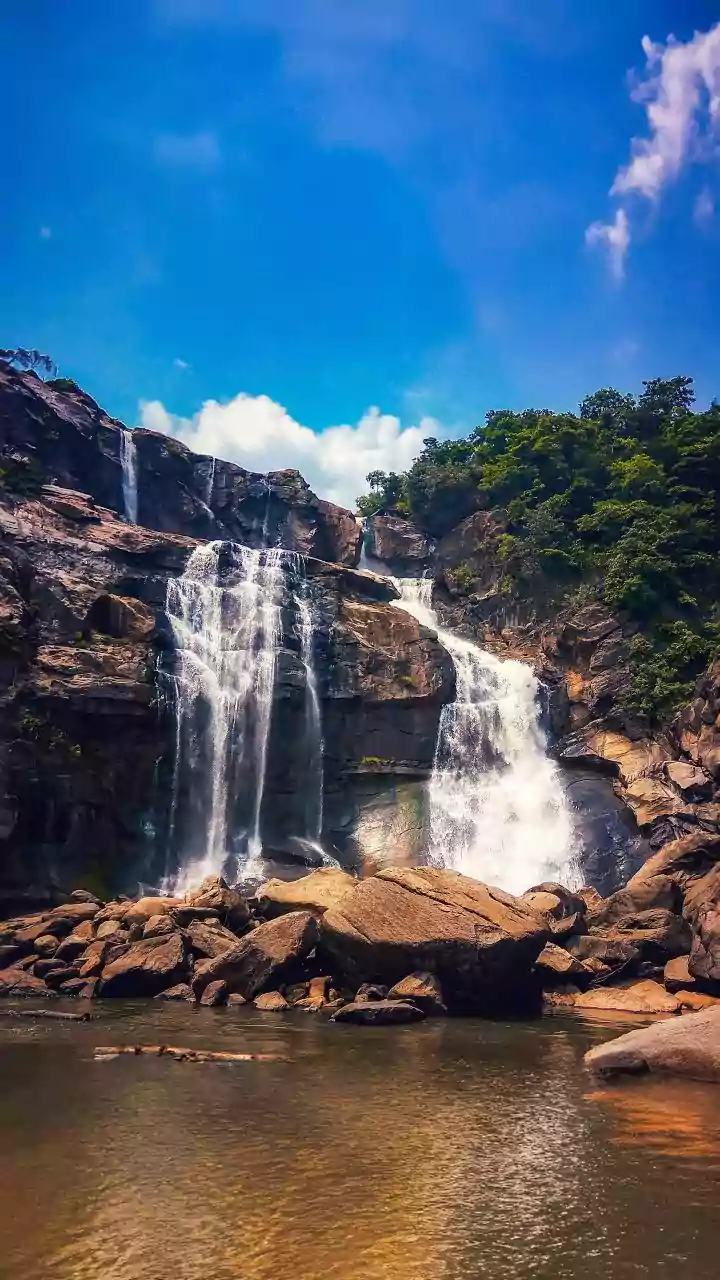


The monsoon has washed Karnataka’s Western Ghats, leaving behind a world of electric green. It’s the perfect time for a forest getaway. But in 2026, planning a trip involves one modern question: what about the mobile signal?
The Post-Monsoon Paradise
From the misty coffee estates
of Coorg to the dense, waterfall-rich hills of Chikmagalur and Sakleshpur, Karnataka is a traveller's dream after the rains. The landscape is vibrant, the air is clean, and the waterfalls, like Abbey and Hebbe, are at their roaring best. Tourists flock to these regions to trek, explore spice plantations, or simply relax in a quiet homestay. The allure is undeniable: a chance to escape city life and reconnect with nature. But this escape often comes with an unintended, and sometimes unwelcome, side effect: a digital detox.
A Reality Check on Rural Networks
In the sprawling, hilly terrain of the Western Ghats, mobile connectivity is a luxury, not a guarantee. While cities like Bengaluru boast widespread 5G, the signal quickly becomes patchy or non-existent in remote forest reserves and ghat sections. Dense tree cover, deep valleys, and the sheer distance from mobile towers mean that even the strongest networks struggle. For travellers, this means you cannot assume you will be able to make a call, send a message, or, least of all, stream a video. Major towns within these districts, like Madikeri in Coorg, will generally have reliable service from all major providers. However, once you venture towards more secluded estates, waterfalls, or trekking trails, you are likely to be off the grid.
Jio, Airtel, Vi, and BSNL: A Mixed Bag
In the battle for rural connectivity, there are a few general trends. Reliance Jio has made significant inroads into rural areas, often providing the most reliable 4G/5G data network where one exists. Many travellers report Jio having a surprisingly good presence. Airtel follows closely, known for stable connections, particularly in and around district towns. Vodafone Idea (Vi) generally has a weaker presence in deep rural zones compared to its competitors. The wild card is often the state-owned BSNL. While its data speeds can be slow, BSNL's network sometimes offers basic call and text services in the most remote locations where private players have no coverage at all. Some experienced travellers carry a BSNL SIM as a backup for emergencies.
Plan for Disconnection, Prepare for Connection
Instead of being frustrated by the lack of signal, the best approach is to plan for it. Before you leave, download offline maps of the entire region you plan to visit. This is non-negotiable for navigation. Inform your family or friends of your detailed itinerary and expected check_in times. Carry a fully charged power bank, as finding a charging point might be as difficult as finding a signal. For those who absolutely must stay connected for work or safety, having SIM cards from two different providers (e.g., Jio for data and BSNL for emergency calls) can be a wise strategy. It is also worth noting that some tourist spots are getting dedicated Wi_Fi. For example, an initiative in collaboration with BSNL has brought Wi_Fi to remote locations in Uttara Kannada district, like Yana and Sahasralinga, with plans to expand.
Embracing the Off_Grid Experience
While a lack of connectivity can seem daunting, it is also an opportunity. A trip to the forests of Karnataka can be a true digital detox, allowing you to be fully present. Without the constant ping of notifications, you can better appreciate the sounds of the jungle, the taste of local Kodava cuisine, or the simple pleasure of watching the mist roll over the hills. The goal isn't to resent the lack of a network but to embrace the quiet it brings. A getaway to places like Agumbe, BR Hills, or the deeper parts of Bandipur National Park forces you to disconnect and engage with your surroundings in a more meaningful way.