



Your Simple Container Toolkit
Before you begin, gathering a few basic items will make the process smooth and successful. You don't need a large garden, just a small, sunny spot. First, choose your containers. Terracotta or clay pots are excellent as they are porous, but any container with
drainage holes at the bottom will work. For herbs like Tulsi and Mint, a pot that is 8-10 inches wide is a good start. Coriander, with its deep taproot, prefers a container that is at least 10-12 inches deep. Next is the soil. Herbs need a light, well-draining potting mix. A great DIY mix combines equal parts garden soil, compost (like vermicompost or aged cow manure), and cocopeat. This blend provides nutrients, retains adequate moisture, and prevents waterlogging. Most commercial potting mixes available online or at local nurseries also work perfectly.
The Queen of Herbs: Tulsi (Holy Basil)
Tulsi is a staple in many Indian homes but can be sensitive to cold. Winter care is all about protection. Tulsi loves warmth and at least 4-6 hours of sunlight. Place your pot in the sunniest spot on your balcony or near a south-facing window. As a tropical plant, Tulsi struggles with temperatures below 15°C and frost can be fatal. If you live in an area with harsh winters, it's best to bring the pot indoors at night and place it back out in the morning sun. Water is crucial, but overwatering in winter is a common mistake. Water only when the top inch of soil feels dry to the touch; this might be once every few days, much less than in summer. Also, regularly pinching off the flowers (manjiri) will encourage the plant to grow more leaves.
The Refreshing Grower: Pudina (Mint)
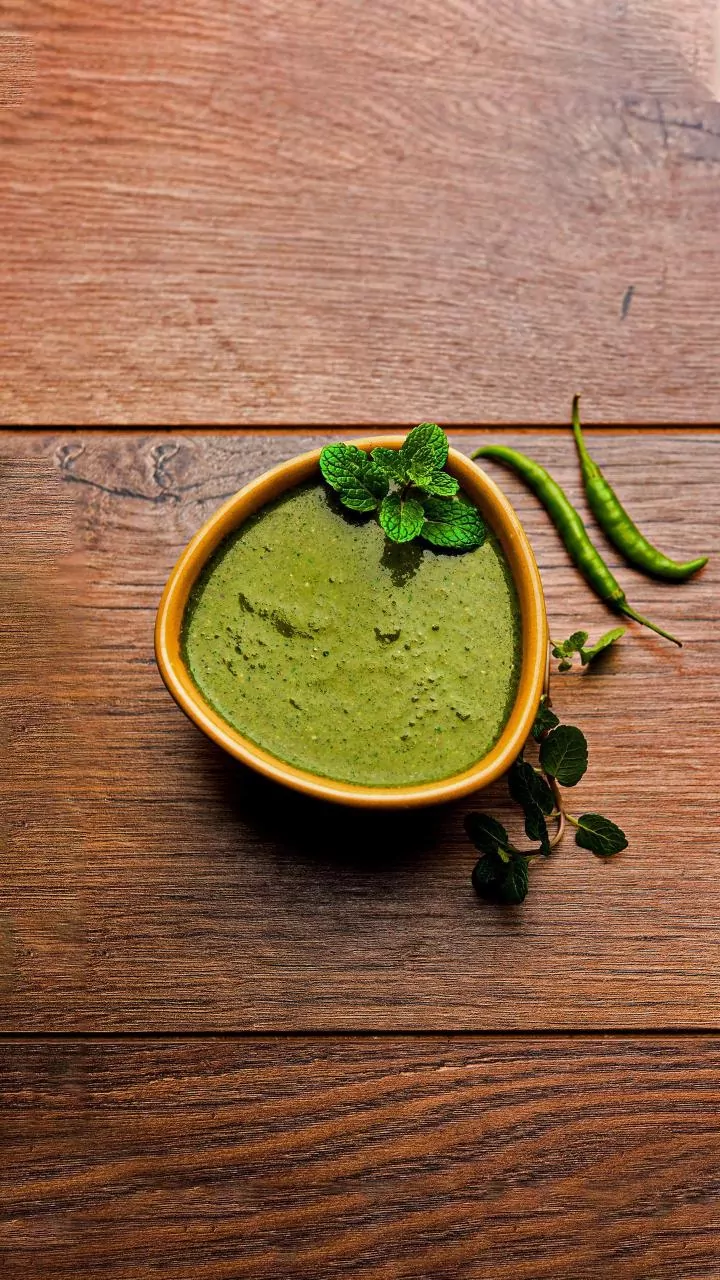
Mint, or Pudina, is one of the easiest and most rewarding herbs to grow. Its aggressive roots love to spread, which makes it an ideal candidate for container gardening where it can be contained. Mint is quite flexible, thriving in both full sun and partial shade. Aim for a spot that gets at least 3-4 hours of light during the shorter winter days. It prefers soil that is consistently moist but not waterlogged. During winter, reduce watering frequency but don't let the soil dry out completely. Mint is fairly cold-hardy but if you experience frost, you can protect the plant by moving the pot to a sheltered area or even bringing it indoors. Pruning it back before the coldest spells can encourage fresh, compact growth. With this minimal care, you can enjoy fresh pudina for your chutneys and beverages all season long.
The Essential Garnish: Dhania (Coriander)
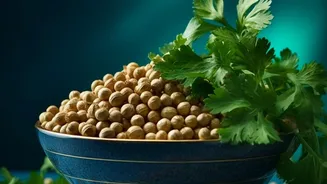
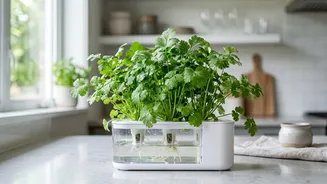
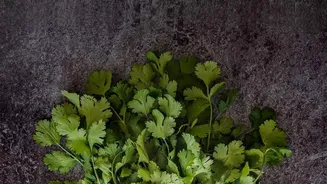
Freshly chopped dhania is non-negotiable for so many Indian dishes. The key to a successful coriander crop is understanding that it's a cool-season herb. The winter months, with temperatures between 17°C and 27°C, are its ideal growing period in most of India. For better germination, gently crush the whole coriander seeds to split them in half and soak them overnight before planting. Sow the seeds directly into their final pot, as coriander dislikes being transplanted due to its long taproot. Sprinkle the seeds on the surface of your soil mix and cover with a thin half-inch layer of cocopeat or soil. Keep the soil lightly moist. The pot needs a spot with morning sun and some afternoon shade, as harsh sun can cause the plant to 'bolt' or flower prematurely. You can start harvesting leaves in about 3-4 weeks. Cut the outer leaves first, leaving the inner ones to grow, ensuring a continuous supply.
Harvesting and General Care
The joy of a kitchen garden lies in the harvest. For all these herbs, regular trimming encourages bushier, healthier plants. Harvest in the morning when the essential oils in the leaves are most concentrated. Never strip a plant of all its leaves at once; a good rule is to take no more than one-third of the plant at a time. Keep an eye out for common pests, though this is less of an issue in containers. Ensure good air circulation around your plants. Don't over-fertilize; the compost in your initial potting mix should provide enough nutrients for several months. A light top-dressing of vermicompost every 4-6 weeks is more than sufficient for these light feeders.