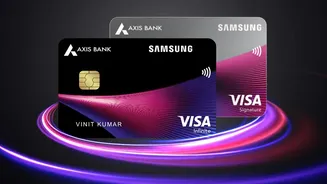








Choose Your First Card Wisely
Not all credit cards are created equal, especially for a first-time user. Look for cards with low or zero annual fees. Many banks offer entry-level or lifetime-free cards that are perfect for beginners. If you don't have a credit history, which is common
for new employees, consider a secured credit card. These cards are issued against a Fixed Deposit (FD), making them easier to obtain. The bank has the security of your FD, and you get a chance to prove your creditworthiness. Using this card responsibly is your first step towards building a solid CIBIL score.
Always Pay Your Bills in Full and On Time
This is the golden rule of credit card usage. Your payment history is the single most important factor affecting your CIBIL score. Missing a payment deadline can significantly lower your score. Always aim to pay the total outstanding amount, not just the 'minimum amount due'. Paying only the minimum leads to interest charges accumulating on the remaining balance, creating a debt cycle that's hard to break. To ensure you never miss a due date, set up automatic payments from your salary account for the full bill amount.
Keep Credit Utilisation Low
Your Credit Utilisation Ratio (CUR) is the percentage of your available credit limit that you use. Financial experts recommend keeping this ratio below 30%. For example, if your credit limit is ₹1 lakh, you should try to keep your outstanding balance below ₹30,000 at all times. A high CUR can signal to lenders that you are overly reliant on credit, which can negatively impact your score even if you pay your bills on time. For an even better score, an ideal range is between 10-20%.
Use Your Card for Small, Regular Purchases
You don't need to make large purchases to build a credit history. In fact, it's better to start small. Use your first credit card for regular, planned expenses like groceries, fuel, or monthly subscriptions. This demonstrates consistent and responsible credit activity to the credit bureaus. Treating your credit limit as an income boost is a common pitfall for beginners. Instead, think of it as a different way to pay for things you would have bought anyway. This habit helps you stay within your budget and avoid impulse buys.
Avoid Multiple Credit Applications at Once
When you apply for a credit card, the lender performs a 'hard inquiry' on your credit report. While one or two inquiries are normal, applying for multiple cards in a short period can make you appear 'credit hungry' to lenders and can lower your score. It suggests financial instability. If your first application is rejected, wait at least six months before applying again. In the meantime, focus on building a stronger financial profile by managing your bank account well.
Regularly Monitor Your CIBIL Report
Once you start using your credit card, your credit history begins. It typically takes three to six months of credit activity for your first CIBIL score to be generated. It's crucial to check your credit report regularly for any errors or fraudulent activity. Discrepancies can negatively affect your score, and correcting them promptly is essential. Many financial platforms now offer free CIBIL score checks, allowing you to track your progress and understand the factors influencing your score.