
Fushimi Inari Shrine, Kyoto
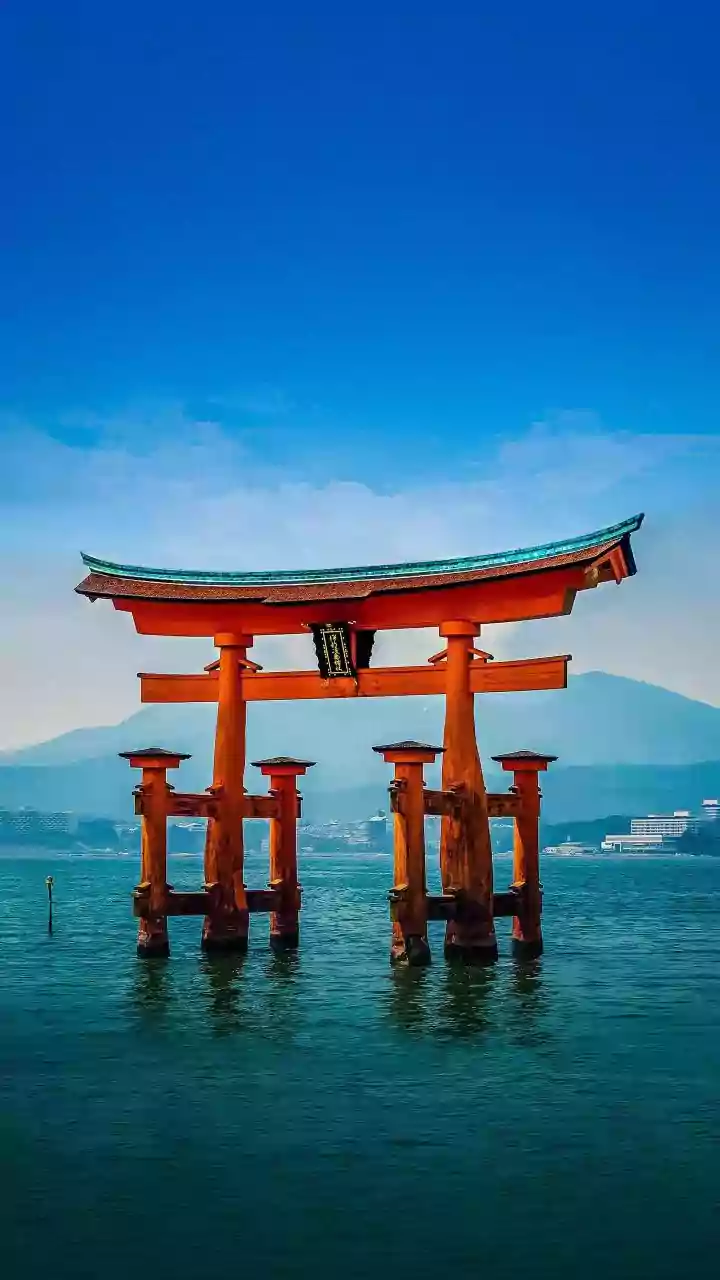
The fantasy of Fushimi Inari is a solitary, contemplative walk through thousands of vibrant red torii gates winding up a mountainside. It's an image of spiritual calm and photographic perfection. The reality, for most of the day, is a slow-moving, tightly
packed queue of people shuffling along the main paths. Getting a photo without dozens of strangers in it becomes a competitive sport. The serene atmosphere is often replaced by noise and congestion, especially near the entrance where crowds are thickest. However, there is a simple solution: keep climbing. Most visitors turn back after the first few sections of gates. The higher you ascend the 233-meter mountain, the more the crowds thin out, and you can find the peace you were looking for. Alternatively, visiting at dawn or dusk offers a completely different, much quieter experience.
Arashiyama Bamboo Grove, Kyoto
The Arashiyama Bamboo Grove is imagined as an ethereal forest where towering bamboo stalks create a magical, green canopy. Visitors dream of a peaceful stroll, listening to the rustle of leaves in the wind. During peak hours, that dream is hard to realise. The main path becomes a congested thoroughfare, making it difficult to pause and appreciate the surroundings. The experience can feel less like a walk in nature and more like navigating a busy street. Some visitors have even described it as underwhelming, feeling the reality doesn't live up to the heavily filtered social media images. To capture the magic, you must be strategic. Arriving at sunrise, before the tour buses and day-trippers descend, is the most effective way to experience the grove in relative solitude. Exploring the wider Arashiyama area, which includes many beautiful temples and gardens away from the main path, can also provide a more rewarding visit.
Kinkaku-ji (Golden Pavilion), Kyoto
The image of Kinkaku-ji, a stunning golden temple reflected perfectly in its surrounding pond, is one of Kyoto’s most iconic. The expectation is a moment of awe before this masterpiece of Zen Buddhist architecture. The reality often involves being part of a large, continuously moving crowd funnelled along a set path. You get a great view for a photo, but there is little opportunity for quiet contemplation. Because you can't enter the pavilion, the entire experience can feel like a brief, crowded photo opportunity before you are ushered along the circuit. Unlike sites that are open 24 hours, Kinkaku-ji has set opening times, which concentrates the crowds. To make the most of it, arriving right at opening time or just before closing can help you avoid the worst of the midday rush.
Kiyomizu-dera Temple, Kyoto
Perched on a hillside with a famous wooden stage offering panoramic views of Kyoto, Kiyomizu-dera is a breathtaking sight. The temple complex is large, but the main attractions, like the stage and the Otowa Waterfall, become intense bottlenecks. During peak season, the approach through the historic Higashiyama district is often impassably crowded, and the temple's main deck can be shoulder-to-shoulder with other visitors. This can detract from the spiritual and scenic experience. The best strategy here is to take advantage of its early opening time. The temple often opens at 6:00 AM, long before the crowds arrive. An early morning visit allows you to see the temple in the peaceful atmosphere it deserves. Some seasons also feature special evening illuminations, which offer another, albeit still popular, time to visit.
Shibuya Crossing, Tokyo
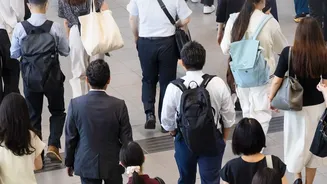
Known as the world's busiest pedestrian intersection, Shibuya Crossing is a spectacle of organised chaos. The disappointment here isn't from a lack of spectacle, but from a potential mismatch of expectations. Many visitors arrive expecting a continuous, cinematic flood of people, only to find it's a brief, two-minute event followed by traffic. The experience on the ground can feel less like a dramatic scene and more like simply crossing a very busy street. While undeniably an impressive sight, especially from above, some find the act of crossing itself to be a quick affair that doesn't warrant a long visit. To truly appreciate it, combine the crossing with a visit to a nearby vantage point, like the Shibuya Sky observation deck or a café overlooking the intersection, to see the 'scramble' in its full glory.