





What is Space Weather?
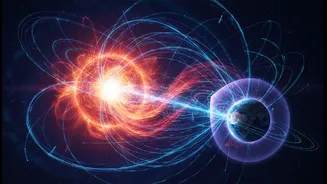
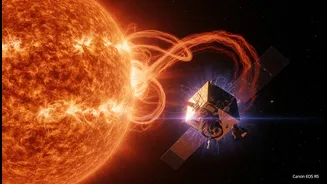
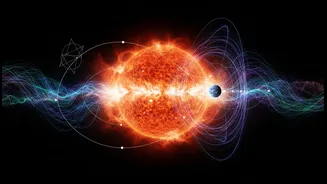
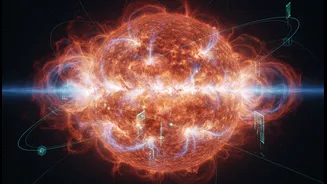
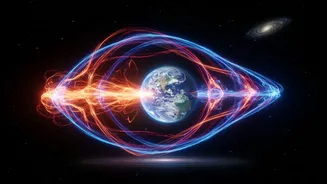
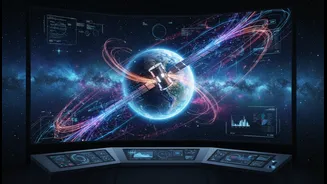
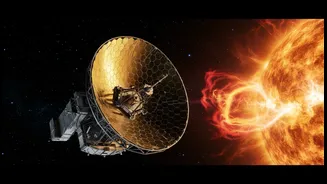
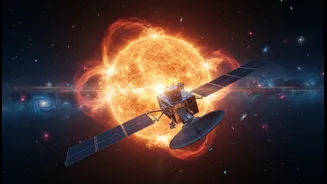
Space weather refers to the changing conditions in space, driven primarily by the Sun's activity. This includes phenomena like solar flares (intense bursts of radiation), coronal mass ejections (massive clouds of plasma and magnetic fields hurled into
space), and solar wind (a constant stream of charged particles). While they sound like science fiction, these events have very real-world consequences. They can interfere with radio communications, damage power grids on the ground, and pose a significant threat to the technology we rely on most: satellites.
Our Growing Dependence on Satellites
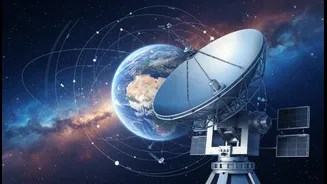
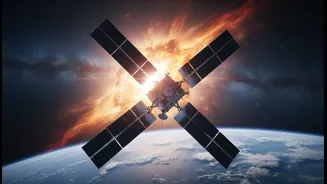
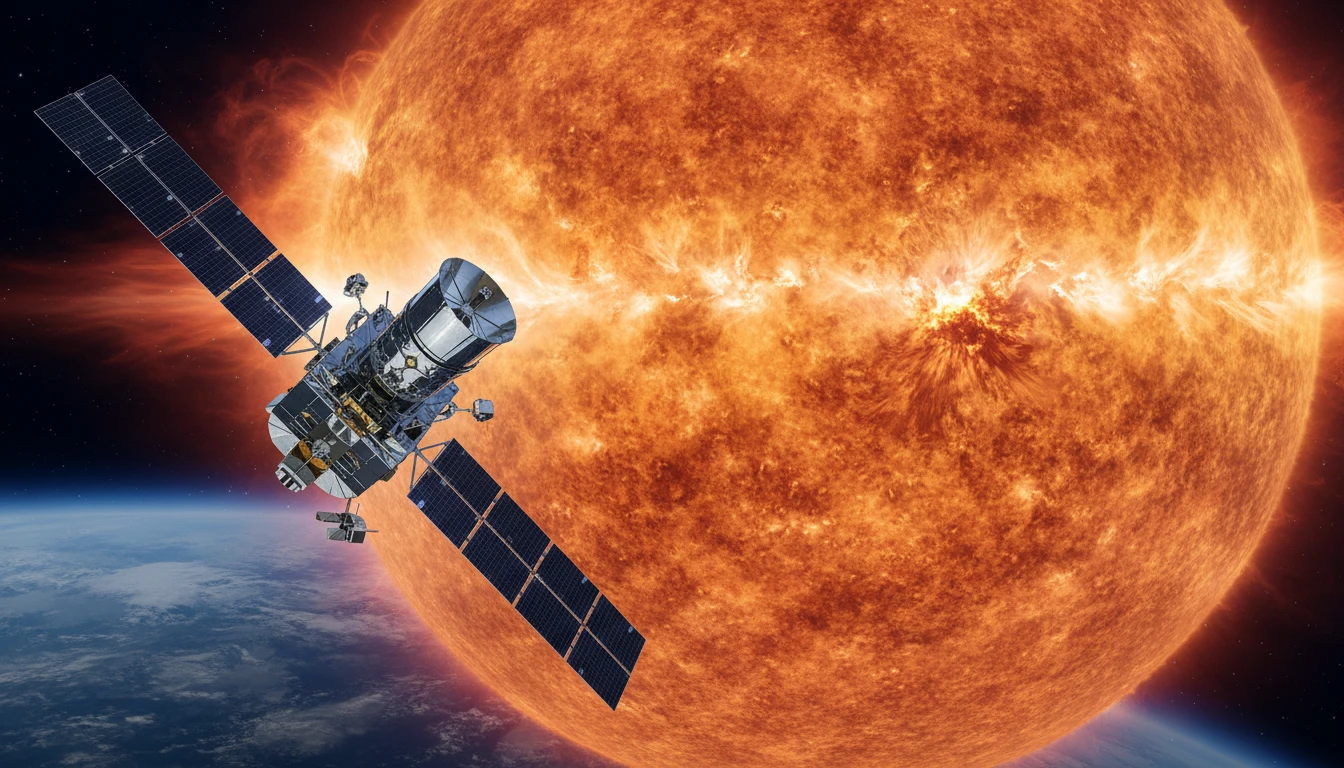
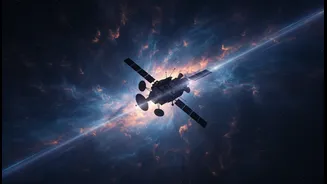
From the GPS that guides our cars and delivery services to the broadband internet connecting remote villages, and the financial transactions that power our economy, satellites are the invisible backbone of modern life. India's own space economy is booming, valued at around $8.4 billion and projected to hit $44 billion by 2033. This rapid growth, with a surge in private companies and startups, means more and more satellites are being launched for communication, navigation, and Earth observation. However, these vital assets are highly vulnerable to the whims of space weather. A major solar storm can degrade satellite components, increase atmospheric drag that pulls them off course, and even cause total failure.
The Rise of the Space Weather Forecaster
To protect our multi-billion dollar infrastructure in orbit, we need to be able to predict what the Sun is going to do. This is where space weather forecasting comes in. Much like a meteorologist predicts a cyclone, a space weather forecaster analyses data to predict solar events and their potential impact on Earth and its orbital environment. India's Aditya-L1 mission, its first dedicated solar observatory, is a major step in this direction, providing crucial data for improving these forecasts. This has created a demand for specialists who can understand solar physics, interpret data from missions like Aditya-L1, and translate it into actionable warnings for satellite operators, aviation, and power companies.
The New Age of Space Careers in India
The opening of India's space sector to private players has triggered an explosion of new job roles beyond traditional government positions at ISRO. The country is now home to hundreds of space-tech startups working on everything from building satellites to analysing their data. This creates a diverse job market for roles like satellite systems engineers, who design and manage satellite operations; data scientists, who analyse the vast amounts of information sent from space; and aerospace engineers. There are also roles for physicists and meteorologists specialising in space science, as well as software engineers building the tools to manage missions and analyse data. This burgeoning private sector, supported by government policies like liberalised FDI, means more opportunities and dynamic career paths.
How to Prepare for a Career in the Stars
The foundation for a career in this field starts in school. A strong background in Physics, Chemistry, and Mathematics (PCM) is essential. At the university level, students can pursue degrees in fields like Aerospace Engineering, Electronics, Physics, or Computer Science. Specialised postgraduate courses (M.Tech or PhD) in areas like astrophysics, planetary science, or space technology can provide a competitive edge. Beyond academics, practical skills are key. Aspiring professionals should focus on developing proficiency in programming languages like Python and MATLAB, getting experience with data analysis, and seeking out internships with organisations like ISRO or private space companies. Institutes like the Indian Institute of Space Science and Technology (IIST) and summer schools organised by ISRO and the Indian Institute of Geomagnetism offer targeted training in this domain.