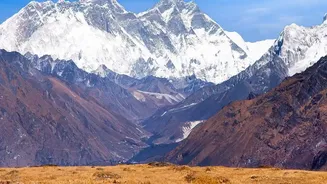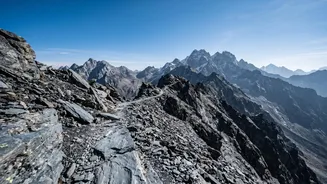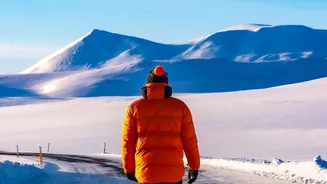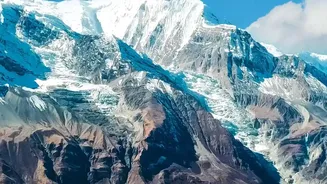

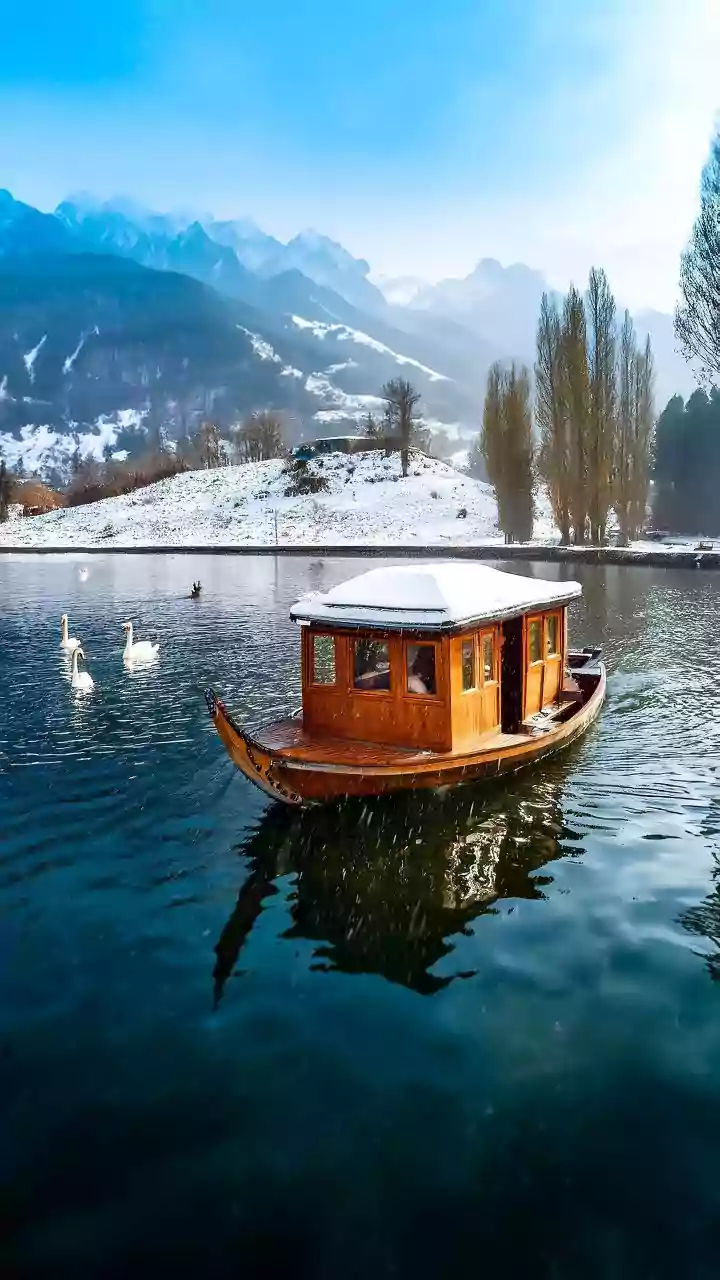
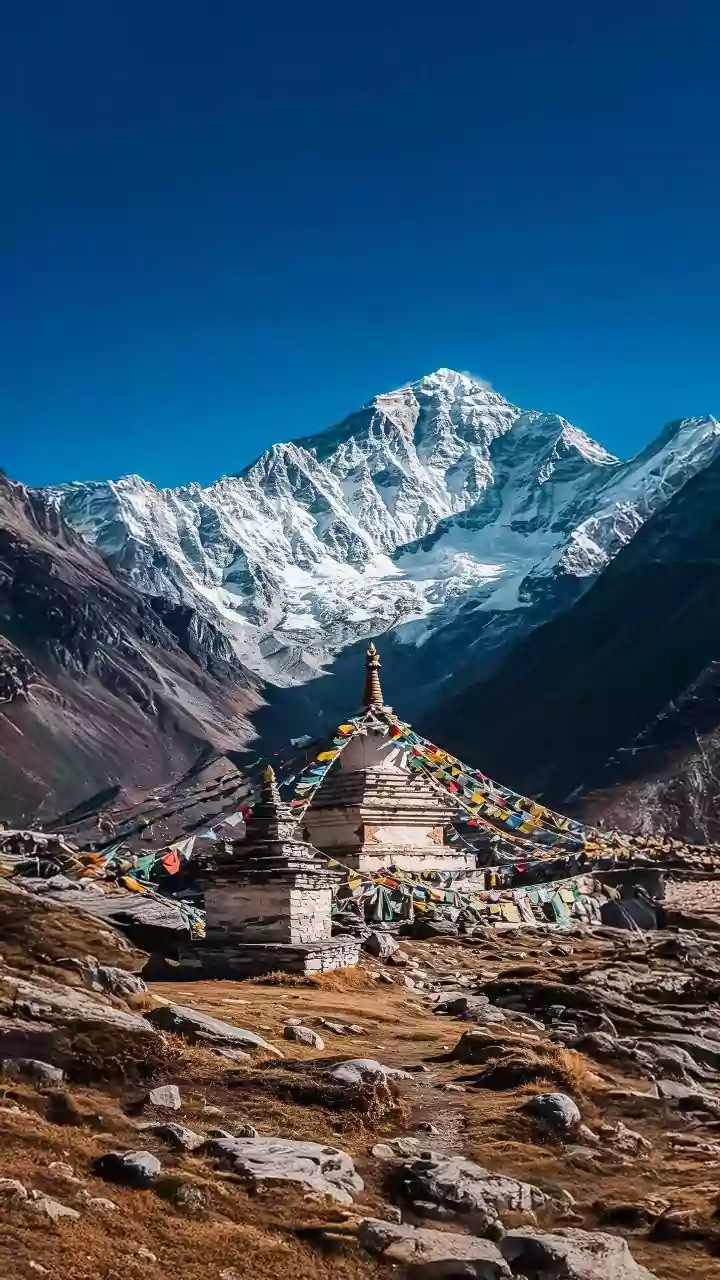


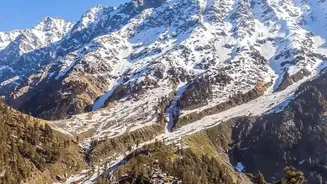
The Himalayas call with a promise of unparalleled beauty and adventure. But a recent tragedy in the Annapurna region serves as a stark reminder that these peaks also command respect, sparking urgent questions about safety, preparation, and weather.
Tragedy on the Trail
In
what should have been the peak trekking season, characterized by clear skies and breathtaking vistas, a sudden, violent snowstorm recently engulfed a popular route in Nepal’s Annapurna massif. Trekkers, caught at high altitude, were plunged into a whiteout with metres of snow falling in just a few hours. The incident, which has tragically resulted in numerous fatalities and injuries, has once again cast a spotlight on the inherent dangers of high-altitude trekking and the thin line between adventure and disaster. Rescue efforts were hampered by the severe conditions, with communications cut and helicopter evacuations made perilous. This event echoes the devastating 2014 blizzard, which was linked to Cyclone Hudhud and became one of Nepal's worst trekking disasters.
Warnings That Went Unheeded
Meteorological technology has advanced significantly, and warnings about the incoming storm system—the tail-end of a cyclone—were indeed issued by meteorological departments. Authorities had advised trekkers to halt their ascent and for agencies to postpone trips. However, in the remote, disconnected valleys of the Himalayas, this information doesn't always reach those who need it most. Trekkers already on the trail, away from internet access or mobile service, may have been completely unaware of the impending danger. This communication gap raises critical questions: who is responsible for ensuring warnings are disseminated effectively on the ground? And why, in an age of instant global updates, do these messages still fail to penetrate the mountain's 'last mile'?
The Guide's Burden
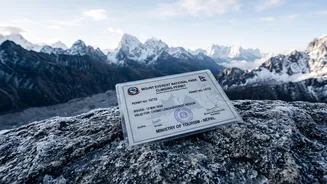
Local guides are often the unsung heroes of the Himalayas, possessing invaluable knowledge of the terrain and weather. Yet they operate under immense pressure. They must balance the safety of their clients with the economic necessity of completing a trek. Turning back means lost income for them and their porters, and potentially disappointing clients who have spent thousands and travelled across the world for a once-in-a-lifetime experience. Following the 2014 disaster, some officials pointed fingers at trekkers who chose cheaper options without guides. More recently, Nepal has made it mandatory for foreign trekkers on most routes to hire a licensed guide, a move aimed at enhancing safety and accountability. This policy puts even more onus on the guide to make the final, life-or-death call when the weather turns.
A Shared Responsibility
Ultimately, safety in the mountains is a shared responsibility. The Nepalese government and tourism bodies continue to work on improving safety protocols, including better weather forecasting dissemination and stricter regulations. Trekking agencies have a duty of care to equip their groups properly and heed official warnings. But trekkers themselves are not just passive participants. Personal accountability is crucial. This includes investing in comprehensive travel insurance that covers high-altitude helicopter rescue, undertaking physical preparation, understanding the risks of altitude sickness, and choosing a reputable trekking agency that prioritizes safety over summit fever. It also means cultivating a mindset that respects the mountain's power, where turning back is not a failure, but a wise decision that ensures there will be another day to trek.