





From Annual Leave to Weekend Escapes
For decades, Indian travel followed a familiar script: save up leave and money for one big trip. But the country's youngest generation of adults has torn up that script. A new travel philosophy has taken hold, favouring multiple short trips, or "micro-cations,"
over a single long holiday. Reports from travel platforms like Airbnb and Agoda confirm this trend, with a significant majority of young Indians now preferring shorter, more frequent getaways. According to one Airbnb report, seven in ten Gen Z travellers would rather take three short trips than one long annual one. These trips, often lasting between two to seven days, are becoming the norm as they fit more easily around work and study schedules, transforming travel from a rare luxury into a regular lifestyle habit.
The Spontaneous and Digital Traveller
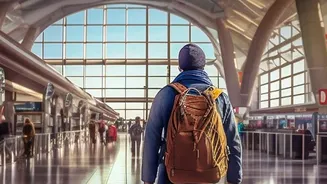
This generation thrives on spontaneity. The days of booking months in advance are being replaced by last-minute decisions, often made just days or weeks before departure. According to an Agoda survey, over 30% of Gen Z travellers book flights less than a week in advance, with 44% making last-minute hotel bookings. This impulsiveness is powered by technology. Social media, particularly Instagram, has become the primary source of travel inspiration, creating a desire for unique, picturesque experiences. However, they don't just follow viral trends blindly; many actively seek out lesser-known destinations to create personal and unique journeys. AI-powered planning tools and seamless digital payment options like UPI further reduce friction, making it easier than ever to turn a sudden travel whim into reality.
Experiences Over Possessions
For Gen Z, the 'why' of travel has shifted. It's less about ticking off landmarks and more about collecting experiences and making memories. Surveys show that cultural exploration, outdoor activities, and even spiritual journeys are major motivators for this demographic. In fact, travellers from Gen Z now account for over half of the journeys to India's spiritual destinations, seeking personal reflection and authentic connections. This experience-first mindset also changes how they spend their money. While budget-conscious, they are willing to stretch their finances for an unforgettable experience. This might mean choosing a unique homestay over a generic hotel or splurging on a music festival trip. Travel is seen as an act of self-expression, with nearly 90% agreeing that the way they travel reflects who they are as a person.
The New Economics of Travel
The rise of frequent travel is also enabled by a smarter, more flexible approach to finances. Young Indians have become adept at budget travel, taking advantage of low-cost carriers and backpacker hostels to make their money go further. Instead of viewing travel as a massive one-time expense, many see it as a financial goal to be worked towards, setting aside monthly savings almost like a SIP for travel. Financial tools like 'Buy Now, Pay Later' (BNPL) services are also playing a role, allowing for spontaneous trips without immediate savings. This generation prioritises spending on experiences over material goods, and they are willing to make financial sacrifices in other areas to fund their travels. This strategic approach to budgeting allows them to spread the joy of travel throughout the year, rather than concentrating it into a single, expensive break.
A Departure from Tradition
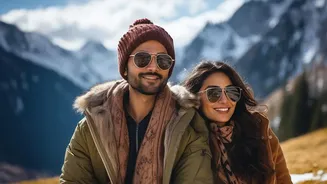
This new travel culture marks a significant break from the past. While family trips were central for millennials, Gen Z is more likely to travel with a partner or friends. Some reports indicate that over half of young travellers prefer partner trips, while a significant number also embark on solo journeys to recharge. This doesn't mean family is left behind entirely; instead, the definition of group travel is expanding. Many young travellers are willing to fund trips for their parents and friends, integrating loved ones into their new, more fluid travel style. Ultimately, this generation is not just seeing the world differently; they are reshaping what it means to be a traveller in modern India.