


The Zero-Waste, Probiotic Promise
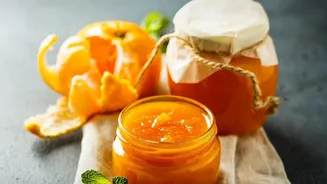
At its heart, this project is about transformation. We take something often seen as waste—the orange rind—and turn it into a powerhouse of flavour and nutrition. Every year, countless tonnes of citrus peels end up in landfills, but these skins are packed
with essential oils and flavour. By fermenting them, we not only save them from the bin but also unlock a world of health benefits. Fermentation invites beneficial bacteria, or probiotics, to thrive. These microorganisms can help support a healthy gut, boost your immune system, and improve digestion. This process creates a living food that’s a world away from the sugary, mass-produced jellies on supermarket shelves. It’s a small, delicious act of sustainability in your own kitchen.
What You Will Need
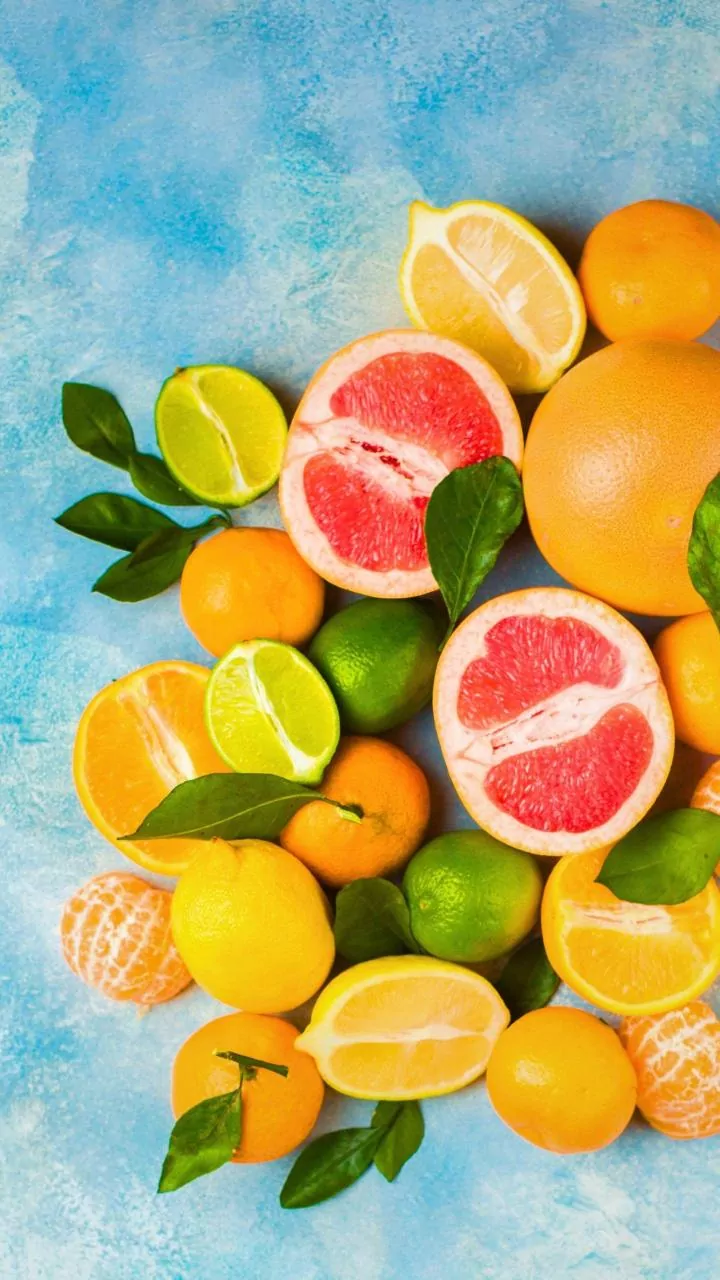
The beauty of this recipe lies in its simplicity. You don’t need fancy equipment, just a few quality ingredients and a little patience. Before you begin, gather your supplies. Ingredients: - 4-5 medium-sized organic oranges (using organic is important as you'll be eating the peel) - 2 teaspoons of non-iodized sea salt or kosher salt (iodized salt can inhibit fermentation) - 1-2 tablespoons of raw honey or maple syrup (optional, for a touch of sweetness and food for the bacteria) - Filtered water (chlorine can harm the beneficial microbes) Equipment: - A clean 1-litre glass jar with a lid - A sharp knife and cutting board - A bowl for mixing
Step 1: Preparing the Oranges
Start by giving your oranges a thorough wash and dry. Since the peel is the star, you want it to be clean. Thinly slice the entire oranges—peel and all—into rounds, and then cut the rounds into quarters. Discard any seeds you come across. Place the sliced orange pieces into a bowl. This method uses the whole fruit, ensuring absolutely nothing goes to waste and creating a marmalade with a complex, balanced flavour profile, combining the bitterness of the pith, the zest of the peel, and the sweetness of the fruit.
Step 2: The Fermentation Process
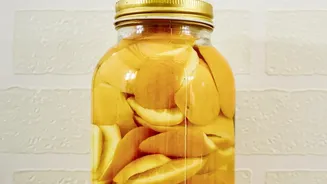
Sprinkle the sea salt and optional honey over the orange slices in the bowl. Use your clean hands to massage the salt and honey into the fruit for a few minutes. This process, known as maceration, helps draw out the natural juices from the oranges to create its own brine. Once the oranges have released a good amount of liquid, transfer everything to your clean glass jar. Press the mixture down firmly with a spoon or your fist to pack it tightly and remove any air pockets. The goal is to have the liquid rise above the solid fruit pieces; all solids must remain under the brine to prevent spoilage. If needed, add a splash of filtered water to ensure everything is submerged. Leave about an inch of headspace at the top of the jar.
Step 3: Patience and Observation
Loosely cover the jar. You can use its original lid, just don't screw it on tightly, as the fermentation process creates carbon dioxide that needs to escape. Alternatively, cover the opening with a coffee filter or cloth secured with a rubber band. Place the jar in a cool, dark place, away from direct sunlight, for 3 to 7 days. Check on it daily. You should start to see bubbles forming, which is a sign that the magic is happening. Each day, give the jar a gentle swirl or open it to press the contents down, ensuring the orange pieces stay below the liquid. This is also known as 'burping' the jar if you are using a sealed lid, which releases built-up gas.
Serving and Storing Your Creation
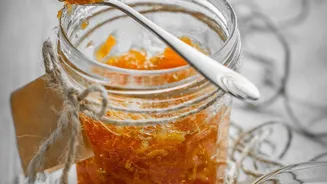
After a few days, it's time for a taste test. The marmalade should have a pleasant, tangy, slightly effervescent flavour. It won’t be as sweet or thick as conventional marmalade; its consistency is typically more liquid and the taste more complex and sour. If you like the flavour, screw the lid on tightly and move the jar to the refrigerator. The cold will slow the fermentation process to a near halt. Your probiotic marmalade will keep in the fridge for up to two months. Enjoy it on sourdough toast, swirled into yogurt, served with a strong cheese, or as a glaze for roasted vegetables. Each spoonful is a reminder of the delicious possibilities hidden within our kitchen scraps.