




The New Calculus of Cost
At first glance, budget airlines seem to have the upper hand. However, savvy travellers are starting to look beyond the sticker price. While a flight from Delhi to Mumbai can be advertised for a low fare, the final cost often swells with add-ons for baggage,
seat selection, and expensive airport transfers. In contrast, train fares, particularly in AC 3-Tier or AC Chair Car, are more predictable and inclusive. For short to medium distances, under 800 kilometres, the financial argument for trains becomes compelling. A journey from Mumbai to Goa on the Mandovi Express or a trip from Bengaluru to Mysuru is almost always cheaper by rail, leaving more money for the destination itself.
The Journey Becomes the Destination
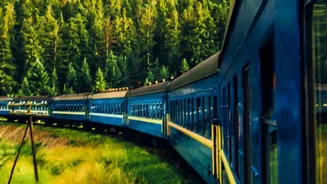
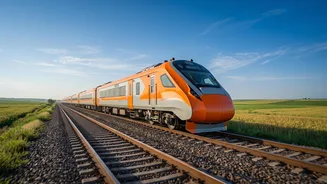
Perhaps the biggest driver of this trend is a change in mindset, often called 'slow travel'. Instead of seeing travel as a race from point A to B, many now view the journey itself as part of the vacation. Unlike the sterile environment of an airplane cabin with its tiny windows, trains offer a front-row seat to the unfolding landscape of India. Imagine gazing at the lush greenery of the Western Ghats on the Konkan Railway, or the misty tea gardens from the Darjeeling Himalayan Railway's 'Toy Train'. These experiences are a core part of the holiday, not just a means to an end. This desire for immersive travel has led to a surge in the popularity of Vistadome coaches, which feature glass roofs and panoramic windows, on routes like Visakhapatnam to Araku Valley and through the ghats between Mumbai and Pune.
Redefining Travel Convenience
The idea that flying is always faster is being challenged when total travel time is considered. A two-hour flight often requires arriving at the airport two hours early, plus an hour or more for travel to and from airports that are typically located far outside city centres. In contrast, major railway stations are centrally located, making them far more accessible. The process is also less stressful: no long security queues, no liquid restrictions, and far more generous luggage allowances. For many, the ability to simply arrive at the station 30 minutes before departure, settle into a spacious seat, and relax is a form of luxury that budget flights cannot offer.
A Greener Way to Explore
As environmental awareness grows, travellers are becoming more conscious of their carbon footprint. Train travel is significantly more eco-friendly than flying, emitting far fewer greenhouse gases per passenger. For a generation of travellers who prioritise sustainability, choosing the train is a simple yet impactful way to align their actions with their values. Indian Railways' push towards electrification further enhances this advantage, reducing dependence on diesel and cutting down on pollution. This makes the scenic journey not just beautiful, but also a more responsible choice.
More Than Just Transport
A train journey in India is a unique cultural experience. It’s a space where you can meet people from all walks of life, share stories, and observe the country's diversity up close. From the call of the chai-wallah to sharing a meal with fellow passengers, the social aspect of train travel is something entirely missing from air travel. Overnight trains also offer a practical benefit for budget travellers by saving on a night's accommodation. Waking up in a new city, having travelled comfortably through the night, is an efficient and enriching experience that flying cannot replicate.