
The Danger in the Splash Zone
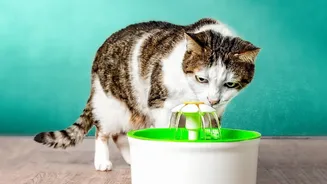
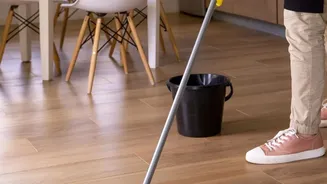
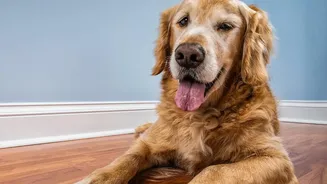
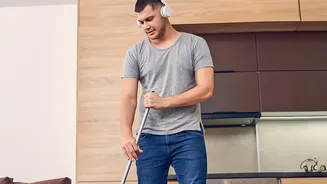
When you mop, it's easy for dirty water and cleaning solution to splash a few inches, landing directly in your pet's water bowl. To you, it might be a tiny, unnoticeable amount. To your dog or cat, it means they could be drinking a cocktail of grime and toxic
chemicals. Pets, especially cats and smaller dogs, are much more sensitive to these substances than humans. Their smaller bodies and faster metabolisms mean even a small dose of a harmful chemical can have a significant impact. Exposure can happen in other ways, too. Pets walk across freshly mopped floors, and the chemical residue gets on their paw pads. Later, when they groom themselves, they ingest those toxins directly. Fumes from strong cleaners also linger in the air, often concentrated closer to the ground where your pets live and breathe.
What’s Hiding in Your Mop Bucket?
Many popular household floor cleaners contain ingredients that are hazardous to pets. According to the ASPCA, household cleaning products are a common source of pet poison calls. Ingredients like ammonia, bleach (chlorine), phenols, and formaldehyde can cause serious health issues. Ammonia can irritate the respiratory system and eyes. Phenols, often found in disinfectants, are particularly toxic to cats, who lack the specific liver enzymes to process them safely. Bleach, even when diluted, can cause chemical burns on sensitive paws and noses. Ingesting these substances can lead to a range of problems from stomach upset to severe internal burns and neurological damage.
Recognizing the Signs of Trouble
If a pet is exposed to toxic cleaning chemicals, they can't tell you something is wrong. It's crucial for owners to recognize the symptoms of poisoning. Signs can vary depending on the chemical and level of exposure but often include drooling, pawing at the mouth, vomiting, diarrhea, lethargy, or loss of appetite. In more severe cases, you might see difficulty breathing, coughing, seizures, or skin irritation like redness and blisters. If you've recently cleaned and notice any of these signs, it's important to act quickly. Prompt veterinary care is essential for a positive outcome when chemical exposure is suspected.
A Safer Cleaning Routine
The good news is that protecting your pet is simple and only requires a small adjustment to your cleaning habits. The best practice is to always move pet bowls before you begin cleaning. Pick them up, wash them out, and place them in another room. After you've mopped the floor, wait for it to dry completely before bringing the bowls back. For an extra layer of safety, some experts recommend doing a final rinse with a mop and plain water to remove any lingering chemical residue. Once the floor is totally dry, you can return the clean bowls and fill them with fresh water. This small change in your routine eliminates the risk of contamination and ensures your pet’s food and water are always safe.
Choosing Pet-Safe Cleaners
Beyond moving the bowls, consider what you're putting in your mop bucket in the first place. Many companies now offer commercial floor cleaners explicitly labeled as "pet-safe." These formulas avoid harsh ingredients like ammonia, bleach, and phenols. If you prefer a DIY approach, a simple and effective solution is a mixture of equal parts white vinegar and water. This solution is great for cutting through grime on most floor types, though you should use it sparingly on hardwood. For disinfecting, you can create a gentle cleaner with water and a few drops of a plant-based, unscented liquid soap like castile soap. By being mindful of both your routine and your products, you create a home that is both clean and truly safe for your furry family members.