




What Exactly Is Barkitecture?
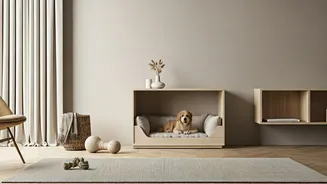
The playful name—a portmanteau of ‘bark’ and ‘architecture’—describes a serious design philosophy: integrating a pet’s needs seamlessly into the home’s aesthetic. This isn't just about buying a fancier dog bed. It’s about custom-built solutions that consider
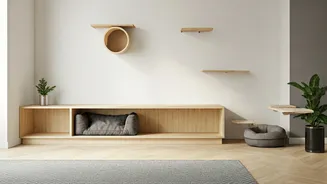
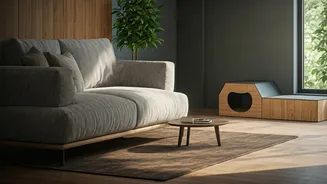
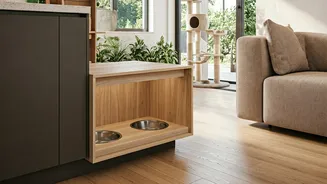
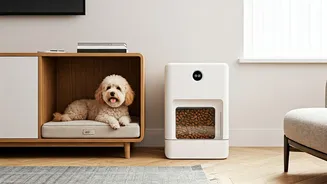
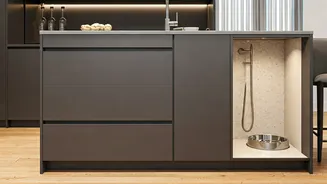
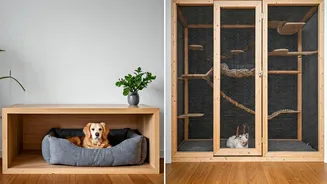
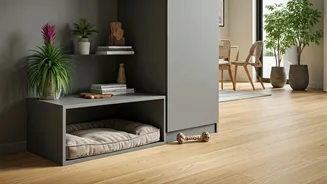
the animal's comfort, safety, and happiness without sacrificing style. Think of a kitchen island with a built-in nook for food and water bowls, a reading corner with a lower shelf designed as a cat-sized sleeping pod, or an elegant staircase with a cosy, built-in kennel underneath. The goal is to create a harmonious environment where every member of the family, regardless of the number of legs, has a place that feels like their own. It moves beyond accommodating a pet to truly designing for one.
The Rise of the 'Pet Parent'
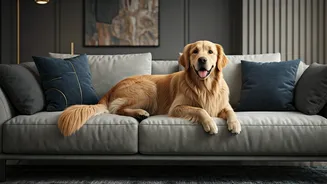
So, why is this trend taking off in India now? The answer lies in a significant cultural shift. Increasingly, urban Indians, particularly millennials and Gen Z, view their pets not as animals they own, but as children they are raising. This ‘pet parent’ phenomenon has changed everything. In an era of smaller, nuclear families and more people living alone, pets provide crucial companionship and emotional support. They are family. And just as you would design a comfortable and stimulating room for a child, these pet parents are investing in creating spaces that enrich their pets’ lives. This emotional bond, combined with rising disposable incomes and a greater emphasis on personalised interior design, has created the perfect conditions for barkitecture to flourish.
Designing for Paws and Claws
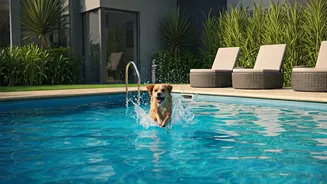
So, what does barkitecture look like in practice? It’s all about a thoughtful blend of form and function. Designers are now incorporating dedicated ‘pet zones’ into their floor plans. This could mean a custom-built ‘catio’ (an enclosed patio for cats) that allows safe outdoor access, or a mudroom with a dedicated dog-washing station complete with a low-set handheld shower and easy-to-clean tiles. Material choice is paramount. Surfaces need to be durable, scratch-resistant, and non-toxic. Think quartz countertops over porous marble, performance fabrics on sofas, and flooring that can withstand the occasional accident. Architects are also considering animal psychology, creating quiet, den-like spaces for anxious dogs or vertical climbing structures and high perches for cats to survey their kingdom.
More Than Just a Luxury
While some barkitecture projects can be elaborate and expensive, the underlying principles are about practicality and well-being, not just opulence. A well-designed pet-friendly home can actually make life easier for the owner. Integrated feeding stations prevent bowls from being kicked over. Thoughtful material choices mean less time worrying about stains and scratches. Most importantly, it creates a safer and more stimulating environment for the pet. A home designed with their natural instincts in mind—like a cat’s need to climb or a dog’s need for a secure resting spot—can lead to a happier, healthier, and better-behaved animal. It’s a proactive approach to pet care that considers their physical and mental health as a core part of the home environment.
Bringing Barkitecture Home
You don't need a complete renovation to embrace the spirit of barkitecture. The trend can be scaled to any budget. Start by thinking about zones. Create a designated corner for your pet with their bed, toys, and water, making it feel like their personal space. When buying new furniture, look for pieces with rounded edges to prevent injuries and opt for durable, washable fabrics. You can find clever multi-functional furniture, like side tables that double as pet crates or ottomans with built-in storage for toys. For cat owners, installing simple wall shelves at varying heights can create an instant vertical playground without taking up floor space. The key is to observe your pet’s behaviour and make small, intentional changes that cater to their needs while complementing your home's style.