



Why Millets Are a Smart Swap
For generations, refined wheat flour (maida) and other processed grains have been staples in festive cooking. While they provide a familiar taste and texture, they are stripped of their natural fiber and nutrients during processing. This is where ancient
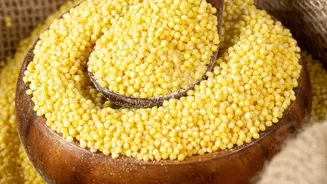
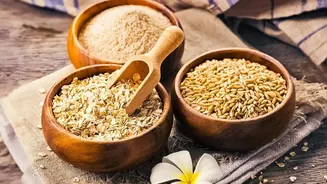
Indian grains, or millets, come in as a superior alternative. Millets like jowar, ragi, and bajra are nutritional powerhouses. They are naturally gluten-free, making them easier on the digestive system for many. Their standout feature is a high fiber content, which aids digestion, prevents constipation, and promotes a feeling of fullness, helping you avoid overindulgence. This fiber also helps slow down the release of sugar into the bloodstream, providing sustained energy instead of the quick spike and crash associated with refined flours.
Jowar (Sorghum): The Versatile Choice
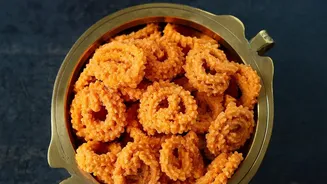
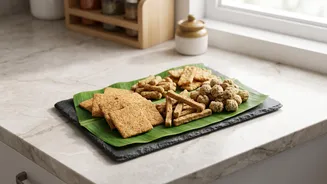
Jowar, or sorghum, is a fantastic starting point for anyone new to millet flours. It has a mild, slightly sweet flavour that doesn’t overpower the other spices in a recipe. This makes it incredibly versatile for a range of savoury snacks. You can easily substitute a portion of maida or rice flour with jowar flour when making classics like chakli (also known as murukku), mathri, and even small puris. Some recipes even use a blend of jowar and a little gram flour (besan) to create delicious, gluten-free vadas and crackers. Its light nature makes snacks feel less heavy and more digestible, allowing you to enjoy the festive spirit without feeling weighed down.
Ragi (Finger Millet): The Nutrient Powerhouse
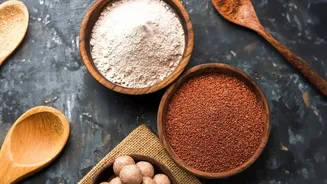
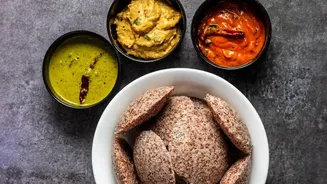
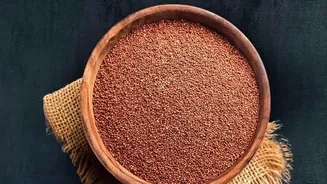
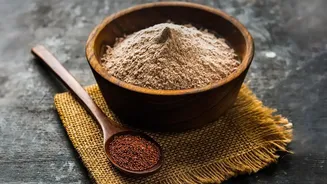
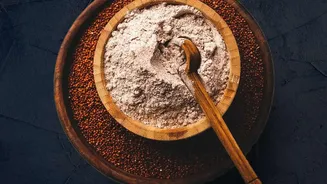
Ragi is renowned for its exceptional nutritional profile, particularly its high concentration of calcium and iron. It has a distinct, earthy flavour and gives a beautiful, deep reddish-brown colour to dishes. While its taste is stronger than jowar's, it pairs wonderfully with rich flavours like jaggery, coconut, and ghee, making it perfect for sweets. Healthy and delicious Ragi Ladoos are a popular choice, often made by roasting the flour with ghee and combining it with jaggery and nuts. You can also make nutrient-dense versions of halwa and burfi with ragi flour. For savoury options, try making ragi mathris or crisp nippattu for a delightful, crunchy snack.
Bajra (Pearl Millet): The Warming Wonder
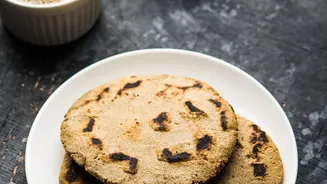
Bajra is a staple in western India for good reason. It has a characteristic nutty flavour and is known for its warming properties, making it an excellent choice for festivals that fall in cooler months. While commonly used for rotis and bhakris, bajra flour can be creatively incorporated into festive snacks. Imagine crispy, flavourful bajra mathris spiced with carom seeds (ajwain) or indulgent ladoos made by combining bajra flour with dates and nuts. Its robust flavour profile stands up well to bold spices, and its high fiber content ensures that these treats are both satisfying and beneficial for your gut health.
Tips for Perfect Millet Snacks
Cooking with millet flours can be slightly different from using refined flour. Because they are gluten-free and absorb more moisture, here are a few tips to ensure success. First, knead the dough with warm water or yogurt, which helps in making it more pliable. Second, don't be afraid to mix flours; adding a small amount of rice flour or besan can improve the texture and crispiness of snacks like chaklis. Third, millet-based snacks tend to brown faster, so it's best to fry them on a medium-low flame for even cooking. Finally, allow the dough to rest for about 15-20 minutes before shaping. This allows the flour to hydrate properly, resulting in a better final product.