






A Spice Steeped in Tradition
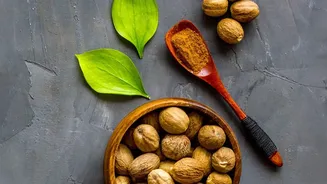
For centuries, nutmeg has been more than just a flavouring agent; it's a cornerstone of culinary traditions and Ayurvedic medicine. In India, a pinch of nutmeg powder finds its way into everything from rich biryanis and garam masala blends to sweet kheer
and spiced chai. Its warm profile complements both sweet and savoury dishes, making it incredibly versatile. Beyond the kitchen, Ayurveda has long celebrated nutmeg for its medicinal properties. Traditional practices use it to aid digestion, promote sleep, and relieve pain. It is often recommended in a glass of warm milk before bed as a natural remedy for insomnia, valued for its calming effect on the nervous system. This long history establishes nutmeg as a spice deeply integrated into cultural and wellness practices, cherished for its comforting flavour and gentle, traditional uses.
The Rise of Brain-Boosting Claims
In the modern wellness landscape, nutmeg has been elevated from a simple spice to a potential 'nootropic' or brain-booster. The claims are enticing, suggesting that nutmeg can enhance memory, improve cognitive function, and even slow the decline associated with serious conditions like Alzheimer's disease. These assertions are often linked to specific compounds within the spice, most notably myristicin and macelignan. Online articles and wellness influencers point to these compounds as the source of nutmeg's supposed power to protect the brain from damage, reduce stress, and improve mood. The idea that a common kitchen spice could hold the key to better brain health is appealing, but it's crucial to look beyond the headlines and examine the scientific evidence supporting these powerful claims.
What Does Science Actually Say?
When we dive into the research, the picture becomes much more complicated. While some studies have explored nutmeg's effects on the brain, the evidence is far from conclusive, especially in humans. Many of the promising findings come from animal studies, often using highly concentrated nutmeg extracts or isolated compounds like myristicin in doses far exceeding what one would ever consume in food. For example, some rodent studies have suggested that nutmeg extract can have antidepressant effects or enhance memory, but these results haven't been replicated in robust human trials. Controlled human studies on cognition are very limited. The bioactive compounds in nutmeg, like myristicin, do interact with our neurochemistry, but their effects are highly dose-dependent. The scientific consensus is that while preclinical evidence shows some potential, there isn't enough human research to support the strong claims about nutmeg's brain-boosting benefits.
The Dark Side: A Note on Safety
It is critical to understand the limits of nutmeg because large doses are not just ineffective; they are dangerous. The same compound hailed for potential benefits, myristicin, is a potent toxin and psychoactive substance when consumed in large quantities. Ingesting as little as 5 to 10 grams of ground nutmeg—roughly one to two teaspoons—can be enough to cause myristicin poisoning. Symptoms can appear 3 to 6 hours after ingestion and include nausea, dizziness, dry mouth, a racing heart, agitation, and hallucinations. These unpleasant effects can last for up to 72 hours. In very high doses, or when combined with other substances, nutmeg toxicity has been linked to severe outcomes like organ failure and even death. This highlights a crucial point: more is not better. Using nutmeg as a spice is safe, but attempting to use it as a 'brain drug' is a risky and ill-advised gamble.
Enjoy Nutmeg for Its True Magic
After sorting through the science and the hype, where does that leave us with nutmeg? Exactly where we started: in the kitchen. The true, established magic of nutmeg lies in its incredible flavour and aroma. A small pinch is all that is needed to elevate a dish, adding warmth and complexity to holiday baking, comforting drinks, and savoury meals. Its value as an antioxidant-rich spice is a nice bonus. However, we should be skeptical of claims that it's a miracle cure for cognitive decline. The evidence simply isn't there to support using it as a supplement for brain health. Instead, we should embrace nutmeg for what it is—a wonderfully aromatic spice that brings joy to our food. Its flavour is well-established and celebrated, and for now, that is more than enough.