







An Ancient Secret Gone Viral
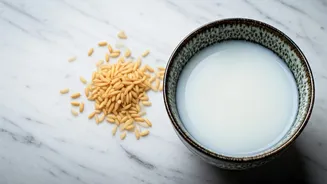
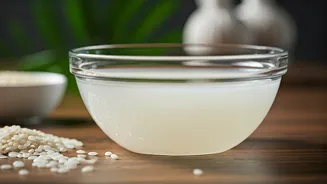
If your social media feed is flooded with videos of people pouring cloudy water on their hair, you’re not alone. Welcome to the rice water renaissance. This seemingly simple liquid—the starchy water left over after soaking or boiling rice—has become a viral
sensation, hailed as a miracle treatment for hair and skin. But while its current fame is fuelled by TikTok and Instagram, its roots stretch back centuries. Historically, women in China, Japan, and across Southeast Asia have used rice water to maintain long, strong, and healthy hair. The Yao women of Huangluo village in China, famous for their floor-length hair, have traditionally used fermented rice water as a rinse, a practice that has been passed down through generations. In India, too, the use of rice water (known as 'kanji' or 'ganji' in various regions) for both consumption and beauty is a well-documented part of traditional wisdom. Its resurgence today is a classic case of an ancient, low-cost home remedy finding a new, global audience in the digital age.
What Are The Claims?
The buzz around rice water is built on a mountain of glowing testimonials. For hair, the benefits are said to be transformative. Proponents claim it can detangle hair, increase shine, make strands smoother and stronger, and even promote faster hair growth. The logic is that the nutrients in the water coat the hair shaft, repairing damage and preventing breakage. For skin, the promises are just as appealing. It’s touted as a gentle cleanser, a soothing toner that can calm irritation and reduce redness, and a brightening agent that helps fade dark spots and even out skin tone. Some users even claim it helps with conditions like acne and eczema, thanks to its purported anti-inflammatory properties.
Does Science Back It Up?
This is the big question: is there scientific proof, or is it all just anecdotal? The answer lies somewhere in between. Rice water is rich in nutrients that are beneficial for hair and skin, including amino acids, B vitamins, antioxidants, and minerals like zinc and magnesium. A key component is inositol, a carbohydrate that studies have shown can penetrate damaged hair and remain inside the shaft even after rinsing, offering a protective effect. This is what contributes to the feeling of stronger, smoother hair. The starches coat the hair, reducing friction and adding shine. However, the claims about accelerated hair growth are largely unproven in a clinical setting. For skin, the starchy, soothing nature of rice water can indeed help calm irritation and provide a temporary tightening effect. But while it's a gentle and natural option, it's not a replacement for targeted treatments for serious skin conditions. Dermatologists agree it's a low-risk DIY treatment but advise managing expectations. It can improve hair's surface and elasticity but won't fundamentally change your hair growth cycle.
How To Make Your Own
Making rice water is incredibly simple and requires just two ingredients: rice and water. You can use any type of rice, but many prefer plain white or jasmine rice.
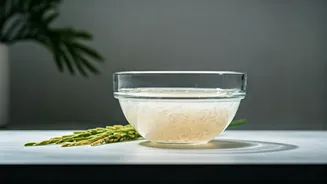
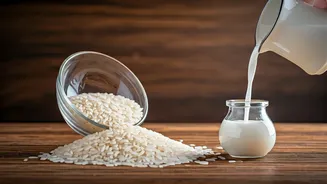
1. The Soaking Method (Quickest): Rinse half a cup of uncooked rice thoroughly to remove any dirt. Place the rinsed rice in a bowl with two to three cups of water. Let it soak for at least 30 minutes, stirring it around occasionally until the water turns cloudy. Strain the water into a clean bottle or jar. You can use this immediately.
2. The Fermentation Method (More Potent): For an extra nutrient boost, you can ferment the rice water. Follow the soaking method, but after straining, leave the rice water in a jar at room temperature for 12 to 24 hours. Fermentation lowers the pH of the water, bringing it closer to hair's natural pH, and enhances its vitamin and antioxidant levels. Once it has a slightly sour smell, transfer it to the fridge to stop the fermentation process.
Using Rice Water The Right Way
A little goes a long way, and overuse can be counterproductive. The proteins in rice water can cause buildup on some hair types, leading to dryness and brittleness.
For Hair: After shampooing and conditioning, pour the rice water over your hair, making sure to saturate the scalp and strands. Gently massage it in. Let it sit for 10 to 20 minutes before rinsing thoroughly with cool water. Start by using it once a week and see how your hair responds.
For Skin: You can use rice water as a facial toner. After cleansing, soak a cotton pad in the rice water and gently wipe it over your face. You can also pour it into a spray bottle and use it as a refreshing facial mist. As with any new product, it's wise to do a patch test on a small area of your skin first to check for any irritation.