






The Humble Bottle Gourd (Lauki)
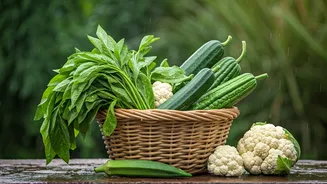
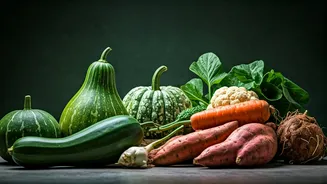
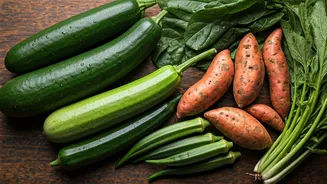
Often overlooked, lauki becomes a superstar during the monsoon. Its high water content (over 90%) keeps you hydrated, while its fibre-rich flesh is incredibly easy to digest. In a season where digestive issues can be common, a simple lauki sabzi or soup
is a comforting and wise choice. According to Ayurvedic tradition, lauki is cooling and calming for the system, making it ideal for balancing the body during the damp, humid weather. It's low in calories but packed with essential minerals like calcium, magnesium, and zinc, helping to maintain electrolyte balance. Don't dismiss it as bland; when cooked with a gentle hand and mild spices like cumin and turmeric, its subtle sweetness truly comes through.
The Powerful Pointed Gourd (Parwal)
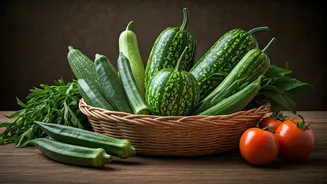
Parwal is another monsoon hero that deserves a spot on your plate. This small, green vegetable is a powerhouse of nutrients, including vitamins A and C, which are crucial for bolstering your immune system against seasonal colds and coughs. It is loaded with fibre, which aids in keeping the digestive tract healthy and preventing the constipation that can sometimes accompany a change in diet and weather. Traditionally, it's valued for its blood-purifying properties. Whether you enjoy it in a rich gravy, stuffed with masala (bharwa parwal), or simply fried, its unique texture and mild flavour make it a versatile addition to any monsoon meal.
The Misunderstood Bitter Gourd (Karela)
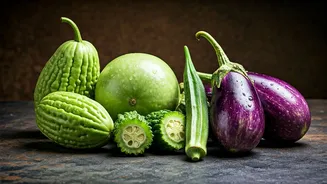
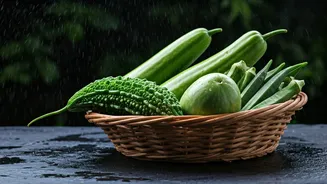
Yes, it’s an acquired taste, but the monsoon is the best time to acquire it. Karela is renowned for its medicinal properties. It’s packed with antioxidants and compounds that are believed to help regulate blood sugar levels and boost immunity. During the rains, when the risk of infections is higher, incorporating bitter gourd into your diet can provide a protective shield. The key to enjoying karela is preparation. Slicing it, salting it, and letting it rest can reduce its bitterness. Cooking it in a tangy tamarind-based curry or frying it until crisp (karela chips) can transform it into a delicious and crunchy side dish that you’ll look forward to.
The Iconic Corn on the Cob (Bhutta)
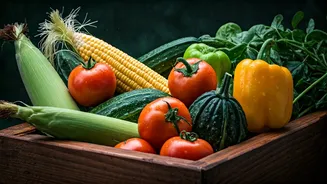
What is a monsoon evening without a roasted bhutta, smeared with lemon juice and masala? Beyond being the ultimate comfort snack, corn is a surprisingly healthy choice. It's a good source of complex carbohydrates, providing sustained energy. It's also rich in dietary fibre, which helps with digestion, and antioxidants like lutein and zeaxanthin, which are beneficial for eye health. Whether you prefer it roasted over charcoal from a street vendor, boiled at home, or turned into a savoury chaat, bhutta captures the essence of the Indian monsoon. It’s a wholesome, satisfying, and deeply nostalgic treat.
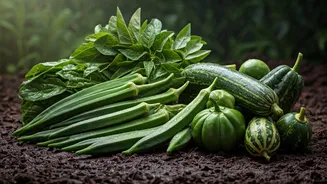
The Delicate Indian Squash (Tinda)
Tinda, also known as apple gourd or Indian round gourd, is another vegetable that thrives in the monsoon. Like its cousin, the bottle gourd, tinda has a very high water content and is extremely light on the stomach. This makes it an excellent choice for keeping your digestive system calm and happy. It contains antioxidants and has anti-inflammatory properties, making it a soothing addition to your diet. Its mild flavour allows it to absorb the spices it's cooked with, making it perfect for a simple, home-style sabzi with tomatoes and ginger. It’s a vegetable that champions simplicity, providing nourishment without overwhelming the palate.