







The Romance vs. The Reality of Monsoon Travel
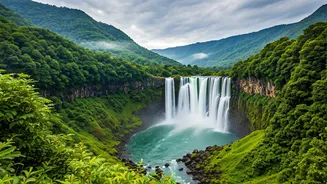
Social media paints a dreamy picture of monsoon getaways: misty hills, roaring waterfalls, and cosy cafés with rain-streaked windows. [26] While destinations like the Western Ghats and Kerala are breathtakingly beautiful, the reality can be far more challenging.
[3] The same rains that create lush scenery also cause landslides, flash floods, and severe travel disruptions. [4, 9] In recent years, popular hill stations like Manali and those in Uttarakhand have seen roads collapse and tourists get stranded for days. [5, 12] Unpredictable downpours can lead to flight delays, train cancellations, and waterlogged roads, turning a well-planned trip into a logistical nightmare. [3] The romance of the rains is real, but so are the risks.
Why Fixed Itineraries Fail in the Rains
A rigid, pre-paid itinerary is a traveller's worst enemy during the monsoon. [19] That non-refundable hotel booking is of no use if a landslide has blocked the only road to your destination. [12] That scenic mountain pass you planned to drive could be closed, or the wildlife safari you booked might be cancelled for safety reasons. [3] Trying to force a fixed schedule onto a season defined by its fluidity is a recipe for frustration and financial loss. [19] Sudden weather changes mean that local authorities may issue travel advisories, closing attractions or entire regions with little notice, forcing last-minute changes to your plans. [9, 18]
The Power of a Flexible Booking
This is where flexible stay options become your most valuable asset. A flexible booking is one that allows you to cancel or change your dates without incurring heavy penalties, often up to 24 or 48 hours before check-in. [23] This policy acts as a crucial safety net. If weather conditions worsen or a road is blocked, you can pivot to a safer, alternative destination without losing your deposit. [19] This adaptability empowers you to make smarter, safer decisions on the ground. Many travel platforms and even direct hotel websites now highlight these flexible options, recognising that travellers need confidence to book during this unpredictable season. [20, 24] It's a small shift in planning that can save you from being stranded.
How to Find and Secure Flexible Stays
Securing these options is easier than you might think. When using online booking portals like Booking.com, Agoda, or MakeMyTrip, use the “free cancellation” or “flexible booking” filter. [16, 17] While these rates might sometimes be marginally higher than non-refundable ones, the small premium is worth the peace of mind. [19] Another effective strategy is to book directly with homestays, guesthouses, or smaller hotels and confirm their monsoon cancellation policy over the phone. Many are understanding of the local conditions and offer more flexibility than larger chains. [17] Also, consider “book now, pay later” options, which prevent you from losing money if your plans are completely washed out.
Beyond Stays: A Fully Flexible Mindset
True monsoon preparedness extends beyond just your hotel. Keep your transport plans adaptable. For instance, instead of booking all connecting travel in advance, you might book the next leg of your journey only after arriving safely at your destination. [11] It's also wise to invest in comprehensive travel insurance that explicitly covers trip cancellations or interruptions due to weather-related events. [2, 6, 10] The ultimate key is to embrace spontaneity. Have a primary plan, but also a list of backup destinations or indoor activities, like visiting a local museum or taking a cooking class. [19] This allows you to find joy in the journey, no matter what the weather brings.