





Prioritise Deep Conditioning
After weeks of high humidity, the subsequent drop in moisture can make your hair surprisingly dry and brittle. During the monsoon, hair swells by absorbing excess moisture from the air. As the weather becomes less humid, this moisture evaporates, often
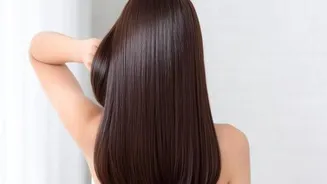
taking your hair's natural oils with it. This is the time to introduce intensive deep conditioning treatments. A weekly hydrating hair mask can replenish lost moisture and restore elasticity. Look for ingredients like shea butter, argan oil, or keratin, which help to seal the hair cuticle, lock in hydration, and reduce the chances of breakage and split ends. Applying a mask from mid-lengths to ends and leaving it on for at least 20 minutes can make a significant difference in softness and manageability.
Focus on Scalp Health
The damp and humid environment of the monsoon is a perfect breeding ground for fungal growth, which can lead to dandruff and an itchy scalp. This buildup of sweat, oil, and product residue doesn't just disappear when the rains stop. A healthy scalp is the foundation for healthy hair, so a post-monsoon 'reset' is crucial. Consider using a gentle clarifying shampoo once every couple of weeks to remove lingering buildup from oils, serums, and pollutants. For persistent flakiness or itchiness, shampoos with antifungal properties can help rebalance your scalp's microbiome. A clean, balanced scalp ensures your hair follicles are not clogged, promoting stronger growth.
Adjust Your Washing Routine
During the monsoon, many people wash their hair more frequently to combat greasiness and the feeling of being caught in dirty rainwater. As the air becomes drier, this frequent washing can strip the scalp and hair of essential natural oils, leading to more dryness. It's time to scale back. Pay attention to your scalp's needs rather than washing on a fixed schedule. If your scalp feels oily, wash it. If not, you might be able to extend the time between washes. When you do shampoo, focus the product on the scalp where oil and dirt accumulate, and let the lather rinse down the lengths of your hair. This gentle approach cleanses effectively without causing unnecessary dryness to your ends.
Combat Frizz with a New Strategy
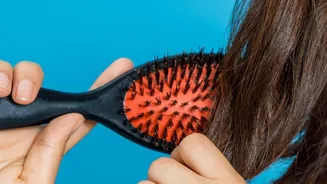
Frizz is the main complaint during monsoon, caused by hair absorbing excess humidity. Post-monsoon, frizz is often caused by dryness and a raised hair cuticle. The strategy needs to shift from blocking humidity to sealing in moisture. Leave-in conditioners and anti-frizz serums become your best friends. Apply a small amount to damp hair after washing to create a protective barrier that smooths the hair cuticle and prevents it from becoming rough and unruly. Using a wide-tooth comb on wet, conditioned hair is also gentler than brushing, which can cause friction and lead to more frizz and breakage.
Protect from Pollution and UV Rays
Rain may wash away some pollutants, but post-monsoon skies, especially in urban areas, can still be heavy with environmental aggressors. These particles can settle on your hair and scalp, causing irritation and damage. Furthermore, with clearer skies come stronger sun exposure. UV rays can degrade the protein structure of hair, leading to discoloration and weakness. Shielding your hair is a simple but effective step. Wearing a scarf or a hat when outdoors for extended periods provides a physical barrier. There are also hair products, like leave-in sprays, that offer UV protection, adding an invisible shield against environmental damage.
Nourish from Within
Healthy hair starts from the inside. The transition between seasons can be a stressor on the body, and hair health often reflects our internal state. Increased hair shedding after the monsoon is a common phenomenon, partly due to a seasonal cycle where more hair enters the resting (telogen) phase. To support healthy hair growth, ensure your diet is rich in essential nutrients. Proteins, found in lentils, eggs, and dairy, are the building blocks of hair. Iron, zinc, and vitamins like biotin are also crucial for strong strands. Staying hydrated by drinking plenty of water is equally important, as it supports overall health, including that of your scalp and hair follicles.