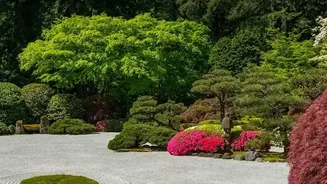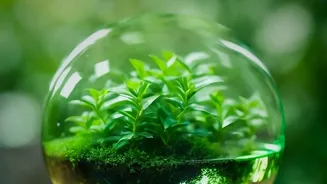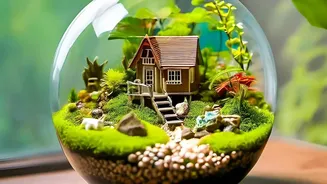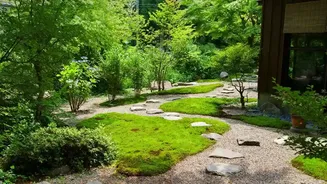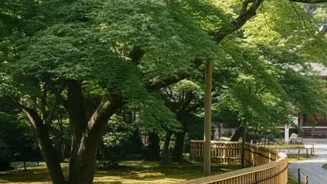

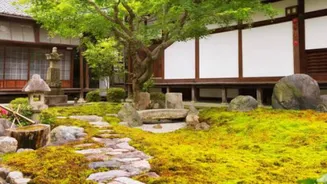

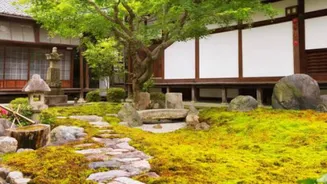
Imagine a lush, green carpet of velvet, a miniature woodland scene that brings a sense of calm and natural beauty into your home or garden. Creating a moss garden is a simple, rewarding project that requires little more than a bit of creativity.
The Allure of a Moss Garden
Unlike
traditional gardens, moss gardens offer a unique, low-maintenance alternative. Mosses are primitive, non-flowering plants that thrive in shady spots and on compacted, nutrient-poor soil where grass often struggles. They don't have a traditional root system, instead absorbing water and nutrients through their leaves. This makes them incredibly resilient and adaptable. A well-established moss garden requires no mowing, minimal watering, and no fertilisers, making it an eco-friendly and hassle-free way to add a touch of serene greenery to your space. They create a peaceful, woodland-inspired atmosphere that can feel both grounding and magical.
Gathering Your Natural Materials
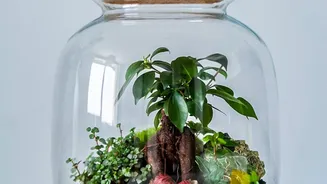
The beauty of a moss garden lies in its simplicity. You'll need a suitable container, the right kind of moss, and your chosen decorative elements. For a container, a shallow bowl, a wide pot, or even a terrarium works wonderfully. Ensure it has drainage holes if it's for outdoor use, as moss likes moisture but not standing water. The key elements of this design are pebbles and driftwood. Look for weathered driftwood with interesting shapes and textures; these will serve as the sculptural bones of your miniature landscape. Pebbles or small stones can be used for drainage, creating pathways, or adding textural contrast to the soft moss.
Choosing the Right Moss
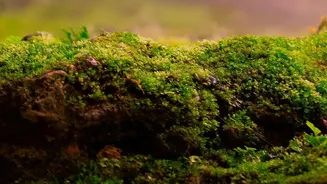
There are thousands of moss species, but a few are particularly well-suited for container gardens. Sheet moss, like Hypnum imponens, is a popular choice as it forms a dense, carpet-like mat that is easy to work with. Cushion moss, also known as pincushion moss (Leucobryum glaucum), grows in attractive, tight clumps and adds a wonderful mounding texture to your design. Fern moss offers a delicate, feathery appearance, resembling a tiny forest floor. You can often find suitable moss in shady parts of your own garden or purchase living or preserved varieties from garden centres.
A Step-byStep Guide to Creation
First, prepare your container. If it's a closed terrarium, start with a layer of pebbles for drainage, followed by a thin layer of activated charcoal to keep things fresh. Next, add your potting medium. A well draining potting mix is fine, as moss isn't too fussy about soil. Begin your design by placing your largest elements first, such as a prominent piece of driftwood or a larger stone, pressing them slightly into the soil to look natural. Then, start tucking in your pieces of moss. Gently press each piece onto the soil so it makes good contact. Don't be afraid to mix different types of moss to create varied textures and shades of green.
Designing with Pebbles and Driftwood
This is where your creativity truly shines. Use your piece of driftwood as a central focal point, perhaps mimicking a fallen log or a rocky cliff. You can press moss directly onto the wood in its crevices to make it look like it's been there for years. Arrange pebbles to create a 'dry stream' bed or a winding path that leads the eye through your miniature landscape. The hard surface and varied colours of the stones provide a beautiful contrast against the soft, vibrant green of the moss. This combination of natural elements creates a balanced, harmonious composition that feels both artful and deeply connected to nature.
Simple Care for Lasting Beauty
Caring for your new moss garden is wonderfully simple. The most important task, especially in the beginning, is to keep it moist. Mist the garden regularly with water, especially for the first few months as the moss becomes established. Moss is surprisingly drought tolerant and can enter a dormant state if it dries out, reviving quickly once rehydrated. Keep your garden out of direct, harsh sunlight, as most mosses prefer shade or indirect light. The main maintenance is simply keeping it clean of debris like fallen leaves, which can smother the moss. Beyond that, your miniature world will largely take care of itself.