
From Niche to Necessity
For decades, the Indian diet has been predominantly carbohydrate-heavy, with protein often taking a backseat. Surveys have consistently shown that a significant portion of the urban Indian population is protein deficient. This nutritional gap, once a quiet
concern among dietitians, has now become a mainstream conversation. A surge in health and wellness awareness, accelerated by the pandemic, has pushed consumers to look more critically at their plates. People are no longer just counting calories; they are tracking macronutrients. This rising consciousness is a key driver behind the migration of protein from specialised nutrition stores to everyday grocery aisles. Quick commerce platforms have further fuelled this trend, with one leading app reporting a 150% surge in protein orders over the past two years.
The Snackification of Protein
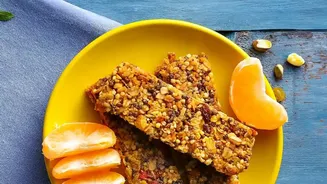
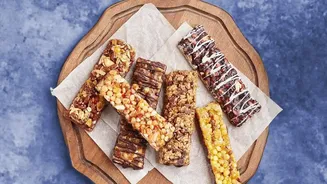
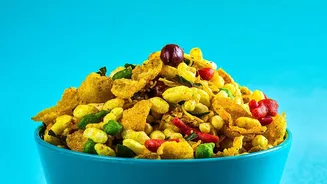
The real genius behind this shift lies in marketing and product innovation. Brands understood that to reach the masses, protein had to be convenient, affordable, and above all, tasty. The solution was to 'snackify' it. Instead of asking consumers to add a step to their routine (like making a protein shake), companies began fortifying snacks that Indians already love. The result is an explosion of new products: protein bars that taste like chocolate treats, protein wafers that are light and crispy, protein chips, and even protein-enhanced versions of traditional namkeens. One leading quick commerce platform saw demand for protein snacks grow by 300%, making it the fastest-growing category. This strategy reframes protein not as a supplement but as a guilt-free, functional indulgence.
A Tale of Two Snack Baskets
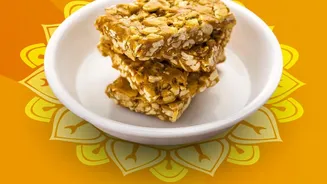
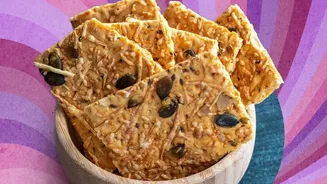
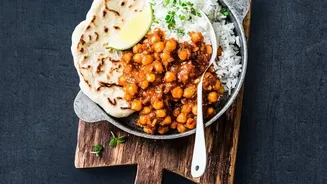
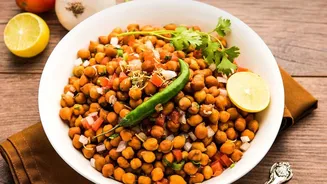
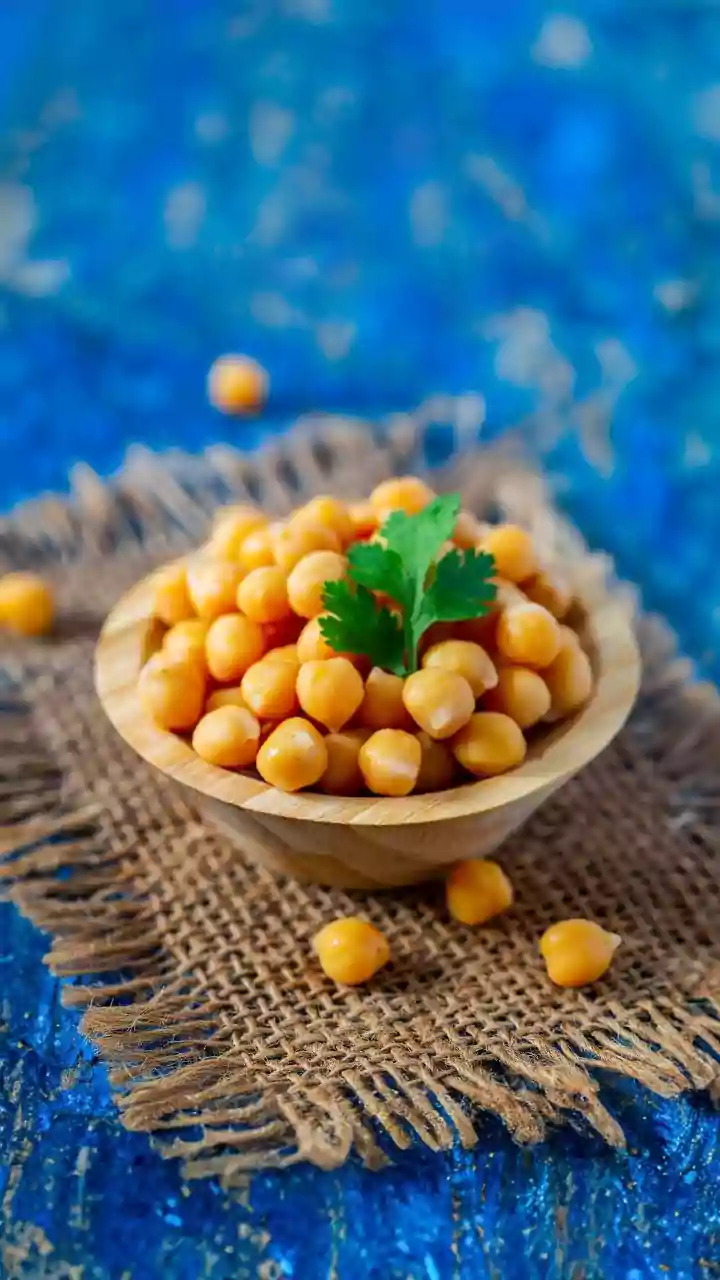
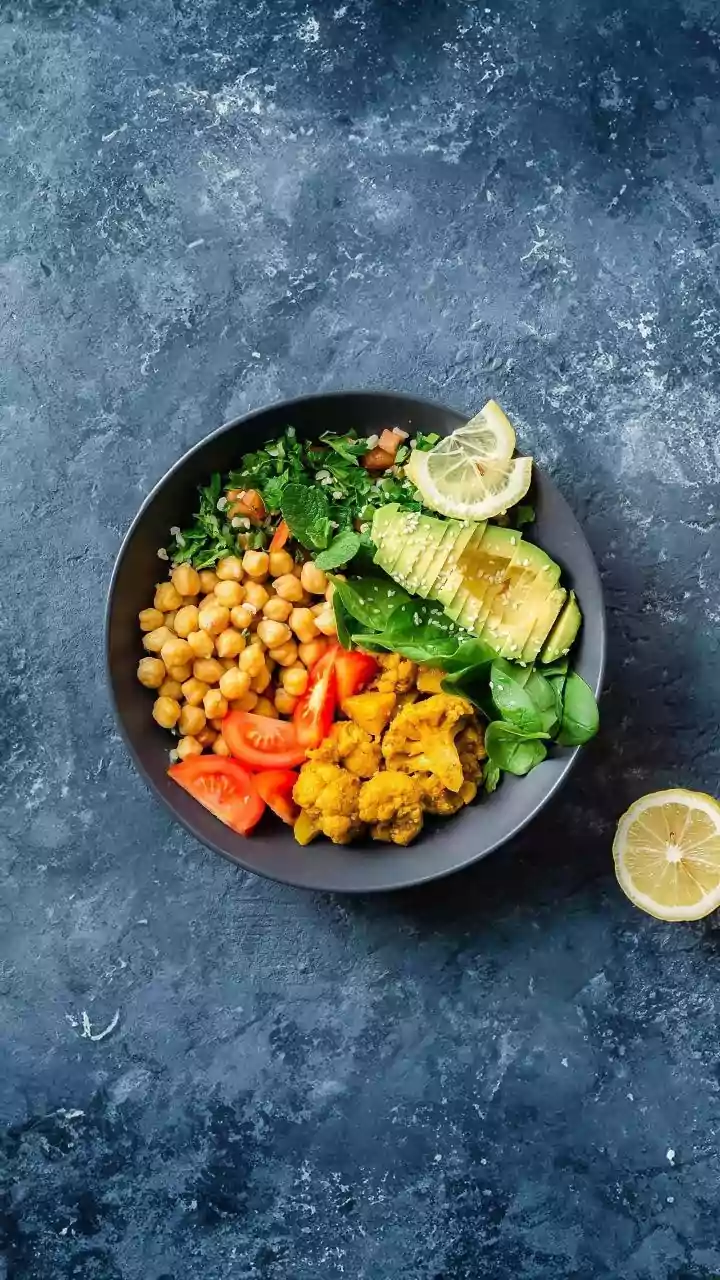
This movement isn't just about newly engineered foods. It's also about a renewed appreciation for traditional Indian snacks that have always been naturally rich in protein. As consumers scrutinise labels, they are rediscovering the power of roasted chana (gram), makhana (fox nuts), sprouts chaat, paneer, and various dal-based snacks. These whole-food options are affordable, familiar, and packed with both protein and fibre. At the same time, a new wave of direct-to-consumer (D2C) brands are launching innovative products like millet-based bars, moong dal chips, and low-sugar protein cookies. This has created a vibrant market where a consumer's protein-snack basket might contain both a packet of classic roasted chana and a new-age, clean-label protein bar.
The Road Ahead: Taste, Price, and Trust
Despite the rapid growth, challenges remain. Price sensitivity is a major hurdle, as protein-fortified products often cost more than their traditional counterparts. Taste is another non-negotiable factor; for a snack to become a habit, it must satisfy the Indian palate's preference for savoury and masala flavours. Furthermore, as the market gets crowded, building trust is paramount. Consumers are becoming wary of misleading front-of-pack claims and are increasingly demanding transparency about ingredients. The trend is expanding beyond metros into Tier II and Tier III cities, but success there will depend heavily on hitting the right balance of price, taste, and accessibility. The growth of D2C and quick commerce platforms is helping brands reach these new markets more effectively.