


The Looming Challenge
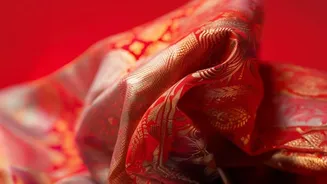
For generations, the rhythmic clack of the handloom has been the heartbeat of countless Indian villages. From the opulent Banarasi brocades to the lustrous Kanjivaram silks, each weave is a geography and a history unto itself. Yet, this rich heritage
faces modern threats: competition from faster power looms, rising costs of raw materials, and a younger generation seeking opportunities outside of weaving. The challenge is not just to preserve these crafts, but to ensure they remain a vibrant, living part of India's cultural and economic fabric.
A Fresh Canvas of Colour and Motif
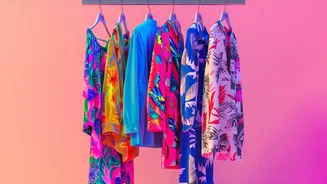
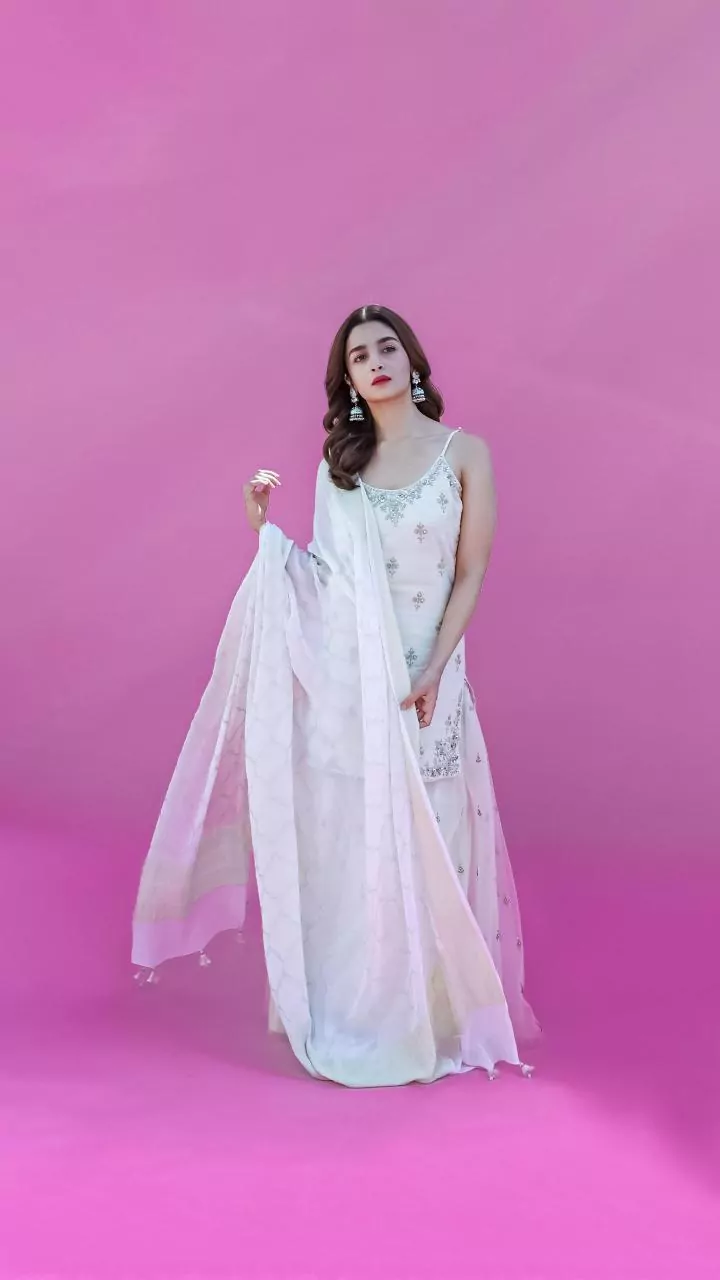
One of the most visible ways weavers are adapting is through design itself. While classic motifs inspired by mythology and nature remain cherished, there's a growing movement to infuse contemporary aesthetics into traditional weaves. Weavers and designers are experimenting with unconventional colour palettes, such as pastels and jewel tones, moving beyond the customary reds and golds. Minimalist detailing, abstract forms, and geometric patterns are finding their way onto sarees, appealing to modern tastes without losing the soul of the craft. This fusion allows the saree to fit into a wider range of settings, from boardrooms to casual brunches.
Innovation in Every Thread
The evolution isn't just cosmetic; it’s structural. Weavers are now blending traditional fibres with new ones to create textiles that better suit modern lifestyles. Think of Kanjivaram sarees woven to be lighter and more comfortable, or Banarasi silks blended with organza for a different drape and feel. There's also a significant push towards sustainability, with artisans experimenting with eco-friendly yarns. Fibres derived from banana stems and bamboo are being integrated into traditional saree formats, creating textiles that are not only beautiful and novel but also have a smaller environmental footprint. This material innovation makes the handloom saree a choice that is both conscious and contemporary.
Weaving a Digital Future
Technology is proving to be a powerful ally for artisans. Digital tools, and even AI, are being used to forecast trends and develop new design patterns, helping weavers create market-relevant products. More importantly, the internet has opened up a global marketplace. Through e-commerce platforms and social media, weavers can now connect directly with customers, bypassing intermediaries and securing fairer prices for their work. Video and high-quality photography allow them to tell the story behind each saree, highlighting the skill and time involved, which builds appreciation and trust with buyers worldwide. Government initiatives like the National Handloom Development Programme also support this transition by providing access to improved tools and digital marketplaces.
The Power of Creative Collaboration
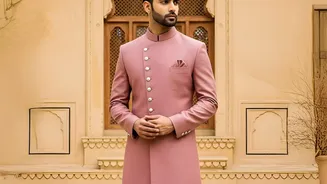
A crucial element in this revival is the synergy between artisans and fashion designers. Visionary designers are increasingly placing handloom textiles at the heart of their collections, reinterpreting them for modern wardrobes. These collaborations are not about appropriation but about a respectful partnership that pushes creative boundaries. Designers bring market insights and a fresh perspective, while artisans bring generations of technical mastery. The result is often something new and exciting—a traditional weave transformed into a contemporary silhouette or a forgotten motif given a new lease of life on the runway. This creates a powerful momentum, ensuring India's textile heritage is not just preserved, but celebrated as a dynamic and evolving art form.