







What is Ambali?
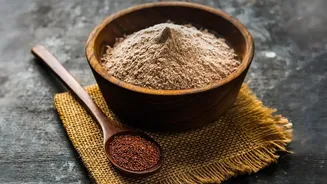
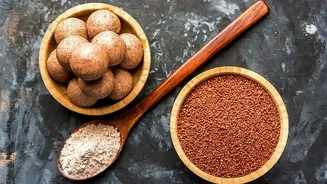
Ambali is a traditional South Indian beverage, best described as a savoury, tangy porridge with a drinkable consistency. It is primarily made from finger millet, or ragi, a grain celebrated for its nutritional prowess. The process involves cooking ragi flour
into a thick paste, which is then allowed to ferment, traditionally overnight in an earthen pot. This fermentation is what gives Ambali its characteristic slightly sour taste and a host of health benefits. Often served chilled, it is typically mixed with buttermilk or curd and seasoned with simple, fresh ingredients like finely chopped onions, green chillies, curry leaves, and a pinch of salt.
A Sip of History
Long before it became a coveted item on cafe menus, Ambali was the original energy drink for farmers and labourers across states like Karnataka, Andhra Pradesh, and Telangana. Known for its natural cooling properties, it provided sustenance and hydration under the harsh sun, making it an essential part of the summer diet. Its simple preparation and affordable ingredients made it a staple in rural households. This drink represents a deep-rooted food wisdom, a perfect example of creating a nutritionally dense meal from locally available millets through the natural magic of fermentation.
The Wellness Powerhouse
The modern appeal of Ambali lies squarely in its impressive health credentials. The fermentation process is key, as it populates the drink with probiotics—beneficial bacteria that are crucial for gut health, aiding digestion and boosting immunity. Fermentation also breaks down anti-nutrients like phytic acid, which means the body can better absorb the rich minerals present in ragi. Finger millet itself is a nutritional star. It is one of the best plant-based sources of calcium, vital for bone health. It's also packed with dietary fibre, which helps regulate blood sugar levels and can aid in weight management by promoting a feeling of fullness. As a naturally gluten-free grain, it's suitable for those with gluten intolerance.
From Farm to Cafe Counter
So why is this ancient drink suddenly in the urban spotlight? The rise of Ambali is part of a larger cultural shift towards rediscovering traditional Indian foods and embracing wellness from within. As global interest in fermented foods like kimchi and kefir has grown, Indians are looking into their own backyards and finding potent local alternatives. Wellness-conscious city dwellers are increasingly seeking out probiotic-rich, natural foods over processed supplements. Cafes have been quick to tap into this, rebranding the humble porridge as a premium heritage drink. Served in stylish glasses and sometimes offered with flavour variations like roasted cumin or fresh herbs, Ambali perfectly fits the demand for food that is both healthy and rooted in authentic tradition.
How to Enjoy Ambali
For those curious to try it, Ambali is becoming more visible on the menus of health-focused cafes and restaurants specializing in regional Indian cuisine. However, making it at home is a rewarding experience. The process is simple: cook ragi flour with water to form a smooth, thick paste, let it cool, and then leave it to ferment in a pot of water overnight. The next morning, the fermented mixture is mashed and thinned with buttermilk or curd and seasoned to taste. It can be enjoyed as a refreshing mid-day cooler or even as a light, nutritious breakfast. It is a filling drink that can keep hunger at bay for hours.