




The Magic of Post-Monsoon Travel
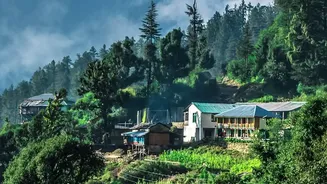
There's a special period in India, typically from September to early November, when the land is at its most vibrant. The monsoon showers have washed the dust away, leaving behind intensely green hills, refreshed forests, and overflowing rivers. This season
offers a unique opportunity to see destinations in their lushest state, often with fewer crowds than the peak winter season. It’s a time for misty mornings, clear skies, and a landscape teeming with life, making it ideal for photographers, nature lovers, and anyone seeking a tranquil retreat.
Wayanad, Kerala: Emerald Hills and Swollen Waterfalls
While beautiful year-round, Wayanad in the post-monsoon months is a spectacle of green. The rains leave the region's plantations, forests, and hills exceptionally verdant and vibrant. Waterfalls like Meenmutty and Soochipara, often reduced to a trickle in the dry season, are at their most powerful and dramatic. The weather is perfect for exploring Pookode Lake, trekking to Chembra Peak, or visiting the ancient Edakkal Caves. It's a time when you can experience the district at its greenest and most serene, before the main tourist influx begins.
Pachmarhi, Madhya Pradesh: The Satpura Queen in Her Green Finery
Often called the 'Queen of Satpura', Pachmarhi truly comes alive after the rains. The period from October onwards is considered one of the best times to visit, as you get the lingering freshness of the monsoon without the heavy downpours. The forests are a deep emerald, and waterfalls like Bee Falls and Rajat Prapat are still flowing strongly. This window is perfect for exploring the region’s mythological Pandava Caves and enjoying stunning sunrises from Dhoopgarh, the highest point in the Satpura range. The Satpura Tiger Reserve also reopens in October, offering a chance to combine lush landscapes with wildlife spotting.
Ziro Valley, Arunachal Pradesh: Rice Paddies and Cultural Beats
September and October are arguably the best months to witness the beauty of Ziro Valley. The landscape, a UNESCO World Heritage site candidate, is a patchwork of lush, terraced rice fields ready for harvest. The weather becomes pleasant and the skies clearer, making it ideal for exploring the villages of the Apatani tribe, known for their unique agricultural practices. For music lovers, late September often hosts the famous Ziro Festival of Music, an outdoor event that combines a diverse lineup of artists with the valley's stunning natural backdrop.
Bhandardara, Maharashtra: A Sahyadri Gem
A lesser-known jewel in the Sahyadri mountains, Bhandardara is spectacular post-monsoon. The region, known for its dams, lakes, and waterfalls, is at peak beauty from June to February. After the heavy rains subside, the landscape remains incredibly green. Arthur Lake is full, and waterfalls like Randha Falls are still a powerful sight. It's a fantastic time for trekking, with routes to Ratangad Fort and Mount Kalsubai—Maharashtra's highest peak—offering panoramic views of the verdant range. The crisp air and tranquil atmosphere make it a perfect escape from nearby cities.
Chikmagalur, Karnataka: Coffee-Scented Hills
The birthplace of coffee in India, Chikmagalur is another Western Ghats destination that shines after the rains. The coffee plantations become intensely green and aromatic, offering a sensory treat. Trekkers can explore the mist-covered peaks of Mullayanagiri and Baba Budangiri, which are often less crowded than in peak season. Hidden waterfalls such as Jhari and Hebbe Falls are in full flow, nestled within lush forests and coffee estates. This season offers the perfect blend of adventure and the simple pleasure of relaxing in a cool, green, and fragrant environment.