



The Arrival of a Prodigy
Not since Sachin Tendulkar has a teenager entered Indian cricket carrying such a heavy burden of expectation. Vaibhav Sooryavanshi, the left-handed phenom from Bihar, has been living in the spotlight since he made his Ranji Trophy debut at the scarcely
believable age of 12. His journey has been a whirlwind of broken records in domestic, U-19, and franchise cricket, with each milestone amplifying the noise around him. The narrative was set: he wasn't just a player to watch; he was the chosen one, destined to shatter records at the highest level. When he finally received his senior India cap this year at just 15, becoming the youngest to ever play for the men's team, it felt like the culmination of a national project. The anticipation for his debut was less about a single match and more about witnessing the first chapter of a historic career.
A Quiet Start on the Big Stage
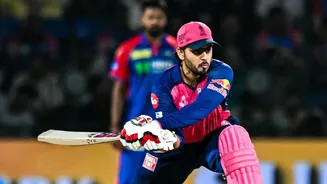
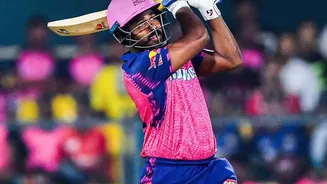
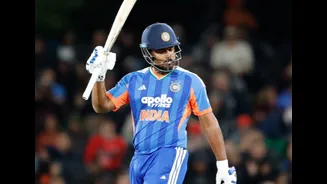
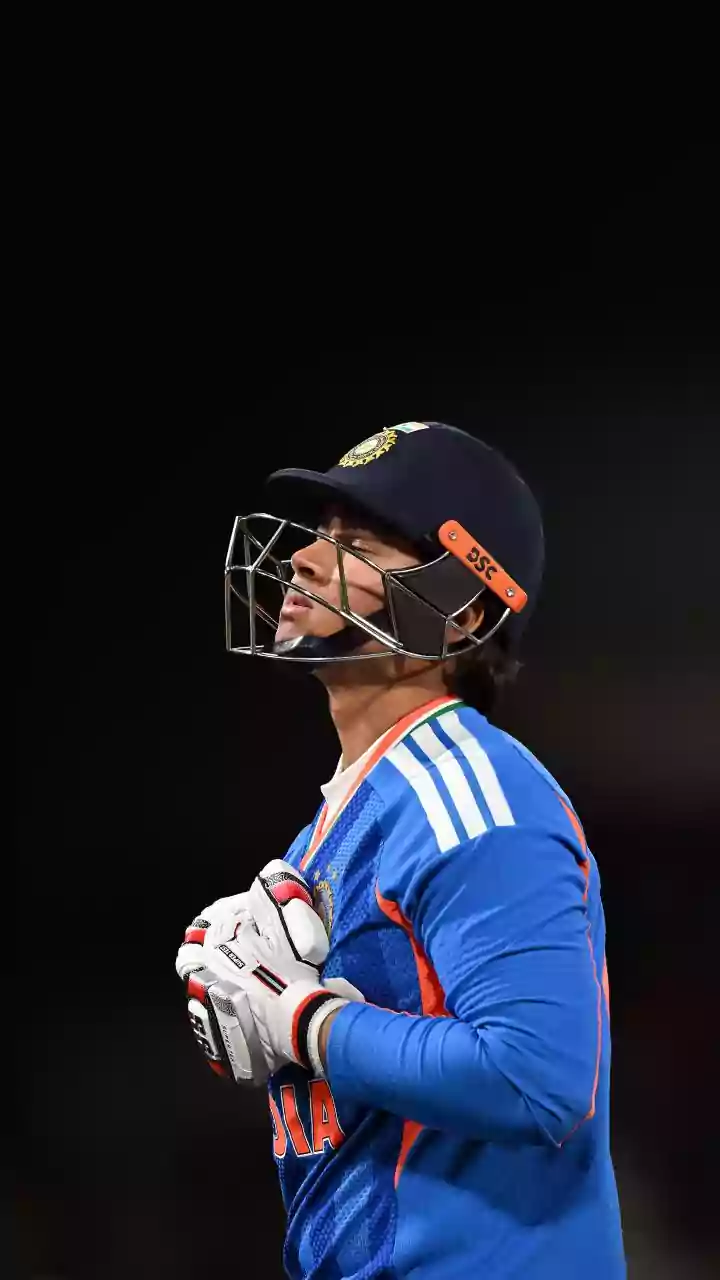
The stage was set for an explosion, but what followed was a flicker. In his debut series against England, Sooryavanshi showed flashes of brilliance but couldn't convert them into a score of substance. The recent T20I series against New Zealand has followed a similar pattern. After a brisk but brief innings in the first match, he was dismissed for a single-digit score in the second T20I on Friday. These are not failures by any normal standard for a 15-year-old playing international cricket. However, Sooryavanshi is not judged by normal standards. The scores, though not disastrous, have felt underwhelming against the backdrop of a narrative that promised immediate and explosive dominance. For a player celebrated for his aggressive, boundary-laden style in the IPL and domestic cricket, his initial international outings have been surprisingly subdued.
The Weight of a Billion Dreams
This is where the conversation shifts from the scorecard to the suffocating embrace of public expectation. In modern Indian cricket, the gap between a player and the public has vanished. Every action is scrutinised across social media, broadcast platforms, and endless online forums. For a teenager like Sooryavanshi, this constant chatter is an inescapable part of his reality. Former cricketers have repeatedly warned about the mental toll this takes, especially on young players who are still developing their game and their own sense of self. The pressure to live up to the 'next Tendulkar' tag is immense. Every shot that doesn't find the boundary, every quiet game, is instantly framed as a disappointment, feeding a cycle of anxiety that can cripple even the most gifted athlete.
A Familiar, Cautionary Tale
Indian cricket history is filled with stories of prodigies, each offering a lesson. While Sachin Tendulkar famously absorbed the pressure from age 16 to build a legendary career, others have had a more turbulent relationship with the spotlight. The journey of Prithvi Shaw serves as a potent, recent example. Shaw also burst onto the scene with huge scores and comparisons to Tendulkar. After a spectacular Test debut, his career has been a rollercoaster, marked by struggles with form, fitness, and the off-field discipline required at the elite level. Shaw's story is a powerful reminder that prodigious talent is not a guarantee of sustained success. It is a fragile gift that needs to be nurtured with care, patience, and a support system that can shield a young player from the harshest glares of public expectation.
Patience Is a Virtue
It is far too early to pass any judgment on Vaibhav Sooryavanshi's international career. To do so would be to fall into the very trap of hype and impatience the article questions. His talent is undeniable, a fact established through remarkable performances at every level leading up to his India debut. What he needs now is not more pressure or premature criticism, but space and time. He needs the freedom to fail, to learn from his mistakes, and to grow into his role without the fear of letting down a billion people with every innings. The management, the media, and the fans have a collective responsibility to manage their expectations. Treating a 15-year-old as a finished product is not only unfair but also counterproductive. The focus should be on his long-term development, not on instant results.