



The Problem with Generic Searches
Imagine searching for “Indian lentil soup.” Your screen floods with thousands of recipes, many from Western food bloggers, often featuring ingredients like kale or using techniques that don't reflect the dish's origin. The result is frequently a bland,
simplified version that bears little resemblance to the rich, complex dals of India. The same happens with terms like “chicken curry” or “spiced rice.” These generic labels are catch-alls that strip away the nuance and regional identity of a dish. Because food traditions are so diverse, a vague search query prompts algorithms to serve up the most broadly popular, and often least authentic, results. It’s an approach that sacrifices specificity for accessibility, leaving you with a meal that misses the mark.
Unlocking Authenticity Through Specificity
The simple solution is to stop searching for what the dish is and start searching for what it's called. Using the proper regional name for a dish acts as a powerful filter. It tells your search engine that you aren’t looking for just any lentil soup; you are looking for a very specific preparation with its own history and flavour profile. This immediately narrows the results to food bloggers, chefs, and home cooks who are familiar with that specific culinary tradition. It's the difference between asking for “a red car” and asking for a “1965 Ford Mustang in candy apple red.” One is a category; the other is an identity. By learning and using these names, you tap into a deeper, more accurate well of culinary knowledge passed down through generations.
Case Study: The Universe of Dal
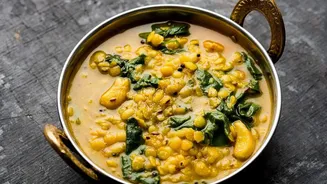
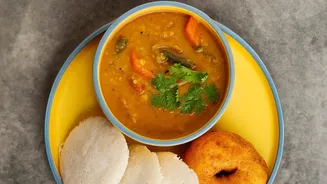
Let’s go back to “lentil soup.” What dish are you actually picturing? If it’s a simple, yellow lentil dish tempered with cumin and garlic, you’re likely thinking of North India’s “Dal Tadka.” Search for that, and you’ll find recipes focused on toor or masoor dal with a specific spiced oil (the tadka) poured on top at the end. If what you crave is the tangy, vegetable-rich lentil stew served with dosa and idli, you need to search for “Sambar.” This South Indian staple uses toor dal, a special sambar masala powder, and tamarind for its signature sour note. Head to Andhra Pradesh, and that same lentil base transforms again. A search for “Pappu Charu” will yield recipes for a thinner, soupier dal that is also tangy but uses a different balance of spices and is often made without sambar powder. Three distinct dishes, all technically “lentil soup,” but entirely different in taste, texture, and preparation.
From Biryani to Bhurji
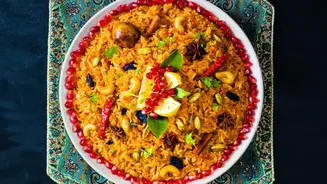
This principle applies across the board in Indian cuisine. Searching for “spiced rice with meat” is a culinary dead end. But searching for “Hyderabadi Biryani” will lead you to recipes using the 'dum' method of slow-steaming raw, marinated meat with basmati rice. A search for “Lucknowi Biryani” will yield a more delicate, subtly spiced version, while “Thalassery Biryani” from Kerala uses a short-grain Kaima rice for a completely different texture. Even something as simple as scrambled eggs has a more flavourful counterpart. Instead of settling for a plain scramble, try searching for “Anda Bhurji.” You’ll discover a world of onions, tomatoes, chillies, and spices that elevates the humble egg into a standalone star. Similarly, a generic “mixed vegetable curry” becomes the complex and seasonal “Undhiyu” from Gujarat or a creamy “Navratan Korma.”
How to Find the Right Name
So how do you learn these crucial names? Start paying attention to the details. When you’re at an Indian restaurant, don’t just order the chicken dish; note its full name on the menu, like “Chicken Chettinad” or “Murgh Makhani.” Watch food and travel shows set in India and listen to how locals and chefs describe their food. You can also perform exploratory searches like “famous dishes from Punjab” or “popular Bengali curries” to build your vocabulary. Over time, you’ll start to recognize not just the names but the regions and flavour profiles they represent. Think of it as learning a new language—the language of authentic Indian food.