


The Classic Finger Test
The oldest trick in the book is often the best, but only if you do it right. The surface of the soil dries out first and can be misleading. To get an accurate reading, push your index finger into the soil about one to two inches deep, up to your first knuckle.
Do this a little away from the main stem to check the soil where the feeder roots are. If the soil at your fingertip feels cool and moist, and a bit of soil sticks to your finger, the plant has enough water for now. If your finger comes out clean and the soil feels dry, it's time to give your plant a drink. This simple method works for most common houseplants, but for succulents and other drought-tolerant plants, you may need to check a bit deeper.
The Lift Test
One of the most reliable methods used by experienced growers is simply lifting the pot. A pot with dry soil is noticeably lighter than one with well-watered soil. To master this technique, get a feel for how heavy your plant's pot is right after you have given it a thorough watering. Then, lift it every few days. As the plant uses water and moisture evaporates, the pot will become progressively lighter. When it feels significantly lighter than its just-watered weight, it’s a clear sign that the soil has dried out and your plant is thirsty. This method is especially useful for plants in smaller containers or hanging baskets where the weight difference is more obvious. It takes a little practice, but it will quickly become second nature.
Read the Visual Cues
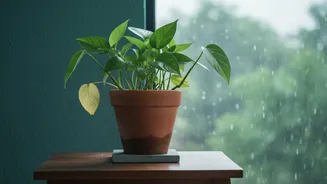
Your plant will often tell you when it’s thirsty—you just have to learn its language. Drooping or wilting leaves are a common sign, but can indicate both over- and underwatering. The key difference is in how the leaves feel. If the leaves are drooping but feel soft and limp, the problem is likely overwatering, which can cause root rot and prevent water uptake. However, if the leaves are drooping and feel dry, brittle, or crispy at the edges, the plant is definitely underwatered. Other signs of thirst include slow or stunted growth and leaves that are yellowing or curling inward. You might also notice the soil pulling away from the edges of the pot, creating a gap. These visual signs are your plant's cry for help.
Use a Simple Tool
If you want to take the guesswork out completely, a simple tool can be your best friend. An unvarnished wooden skewer or a simple chopstick works wonders. Insert it deep into the soil, being careful to avoid major roots, and leave it there for a few seconds. When you pull it out, check the wood. If it comes out clean and dry, the soil is dry. If it comes out with moist soil clinging to it or has a dark, damp mark, there is still plenty of moisture at the root level. For a more technical approach, a soil moisture meter provides a precise reading. You simply insert the metal probe into the root zone and the device will tell you the moisture level on a scale, typically from dry to wet. This can be especially helpful for larger pots where the finger test is less effective.