




Why Sitting Is the New Smoking for Your Spine
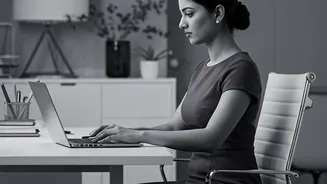
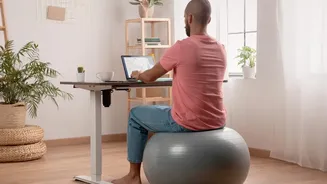
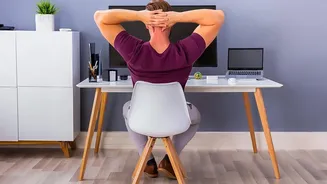
Our bodies are designed for movement, but many of us spend upwards of eight hours a day in a chair. This sedentary lifestyle puts immense strain on our spine. When you sit for long periods, especially with poor posture, several things happen. The pressure
on your spinal discs can increase significantly compared to standing. Your core and gluteal muscles, which are crucial for supporting the lower back, become inactive and weaken over time. This forces other muscles to compensate, leading to strain and imbalances. Furthermore, circulation to the muscles that stabilize your spine is reduced, causing them to fatigue and stiffen. This combination of muscle inactivity, sustained pressure, and poor circulation creates the perfect storm for chronic lower back pain.
What Exactly Are Micro-Workouts?
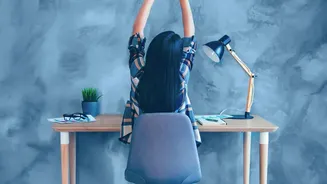
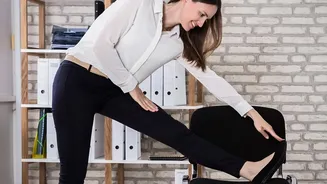
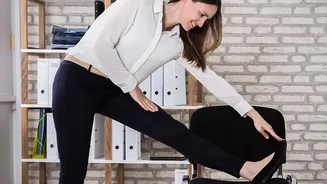
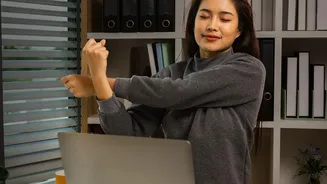
Don't let the word 'workout' intimidate you. Micro-workouts, also called movement breaks, are not about hitting the gym or breaking a sweat. They are short, simple, and gentle physical activities that you can do right at your desk or in your office space. These breaks typically last anywhere from one to five minutes and are designed to interrupt long periods of sitting. The goal is to 'reset' your posture, reactivate dormant muscles, and promote blood flow. Think of it as a form of active recovery throughout your workday. The power of these tiny movements lies in their consistency; five one-minute breaks scattered throughout the day add up to over 20 hours of extra movement in a year.
How Small Movements Deliver Big Relief
The science behind why micro-workouts are effective is straightforward. When you stand up, stretch, or perform a simple exercise, you are counteracting the negative effects of being static. These movements re-engage your postural muscles, particularly in the core and back, reminding them to do their job of supporting your spine. Stretching helps release tension in muscles that have become tight, such as your hip flexors and hamstrings, which can pull on your lower back when shortened. Even a short walk to the water cooler improves circulation, delivering oxygen and nutrients to your spinal tissues and helping to flush out metabolic waste. This regular interruption of stillness prevents your joints and ligaments from stiffening up and can significantly reduce feelings of pain and discomfort by the end of the day.
Five Simple Desk Exercises to Start Today
Incorporating micro-workouts is easy. You don't need any special equipment or a lot of space. Here are five effective exercises you can perform at your desk: 1. Seated Spinal Twist: Sit tall at the edge of your chair. Gently twist your upper body to the right, placing your left hand on your right knee for a light stretch. Hold for 15-20 seconds, then repeat on the other side. This helps lubricate the spinal joints. 2. Shoulder Blade Squeezes: Sit or stand tall. Pull your shoulder blades together and down, as if you're trying to hold a pencil between them. Hold for 5 seconds and release. Repeat 10 times to combat slouching and open up your chest. 3. Cat-Cow Stretch (Seated): Sit at the edge of your chair with feet flat. Place your hands on your knees. As you inhale, arch your back and look up (Cow). As you exhale, round your spine and drop your chin to your chest (Cat). Repeat 5-8 times to mobilize the entire spine. 4. Standing Back Extension: Stand up and place your hands on your lower back for support. Gently arch your back, pushing your hips slightly forward. Hold for a few seconds. This is a great counter-pose to the forward hunch of sitting. 5. Chair Squats: Stand up from your chair, then lower yourself back down until you are just about to touch the seat, then stand back up. Repeat 8-10 times. This reactivates your glutes and leg muscles.
Making Movement a Habit
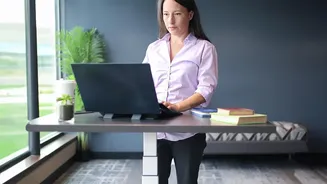
The key to success with micro-workouts is consistency. The most effective strategy is to take a short break every 30 to 60 minutes. Set a recurring timer on your phone or computer as a reminder. Another great technique is to link a movement break to a regular work task. For example, do a set of shoulder rolls after every long email you send, or stand up and stretch every time you take a phone call. Drinking plenty of water is another clever trick; not only is it good for you, but it will also force you to get up for refills and bathroom breaks. Don't wait until you feel pain to move. Proactively integrating these small bursts of activity will make a huge difference in how your back feels day-to-day.