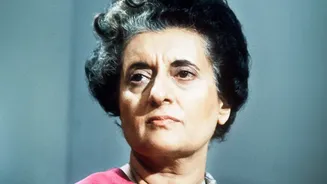

Food is more than just sustenance; it is a vessel for memory, tradition, and personal history. A recent recollection from Sonia Gandhi about her mother-in-law, Indira Gandhi, brings this truth to life with a flavourful, golden-hued detail.
A Sweet Memory from Safdarjung Road
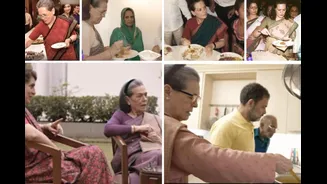
In a recent
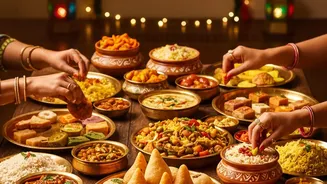
conversation shared on social media, Sonia Gandhi, joined by her daughter Priyanka Gandhi Vadra and granddaughter Miraya Vadra, journeyed back to the family’s Diwali celebrations at 1, Safdarjung Road, the former Prime Minister’s residence. Amidst memories of earthen diyas lighting up the garden, she shared a culinary detail that has stood the test of time. “On festivals, we always used to have Kashmiri food and that sweet rice… which we still make, by the way,” she recalled. This simple statement opens a window into the private, festive world of one of India’s most formidable public figures, revealing a tradition rooted in her family’s Kashmiri Pandit heritage.
The Golden Dish: More Than Just Rice
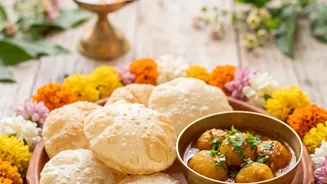
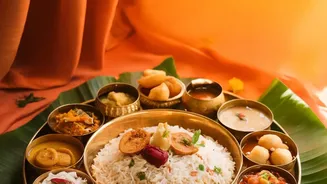
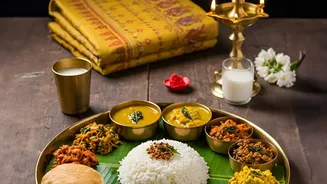
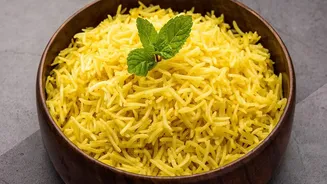
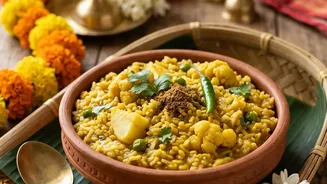
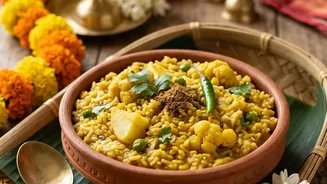
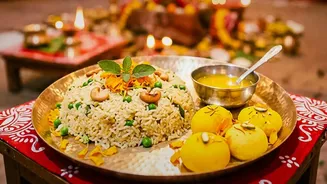
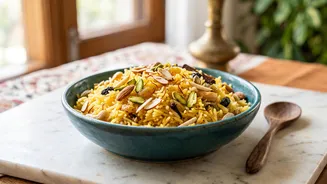
The sweet rice Sonia Gandhi referred to is likely 'Modur Pulao' or 'Tahar', a cherished dish in Kashmiri cuisine. 'Modur' itself means 'sweet' in Kashmiri. Unlike savoury pulaos known across India, this version is a fragrant, festive preparation. It is traditionally made with Basmati rice, ghee, and sugar, and gets its signature golden colour and aroma from saffron, the prized spice of the region. Studded with a generous mix of toasted nuts like almonds and cashews, along with raisins, it is a dish reserved for special occasions, weddings, and festivals. For Kashmiri Pandits, a similar yellow rice called Tahar, coloured with turmeric, is cooked for birthdays and pujas, often distributed as a blessed offering, or 'prashad'. This highlights its deep cultural and spiritual significance.
A Taste of Heritage in a Political Household
The presence of Kashmiri food on the Gandhis' festive table is a direct link to the family's lineage. The Nehrus were Kashmiri Pandits, and this ancestry continued to shape their domestic life and ceremonies, even generations after they had moved from the valley. Indira Gandhi, though born in Allahabad, held these roots close. While known for her simple and frugal eating habits, her preference for regional cuisines during her travels was well-documented. The choice of Kashmiri dishes for special celebrations at home underscores a conscious effort to preserve and honour family heritage amidst the demanding world of national politics. It provided a taste of identity, a culinary thread connecting her to her ancestry.
Food as a Bridge Between Generations
Sonia Gandhi’s remark that the family “still make[s]” the sweet rice is perhaps the most telling detail. It shows how culinary traditions become a powerful bridge between generations. For Indira, it was a connection to her past. For Sonia, who has spoken about her initial difficulty with Indian spices before falling in love with the cuisine, learning to relish and prepare these dishes was part of her journey into the family and the country. In her own memoir, she notes how she learned to embrace Indian culture one meal at a time. That this particular dish continues to be a festive staple signifies its transformation from a simple recipe into a cherished family legacy, passed down from a mother-in-law to her daughter_in_law and beyond.