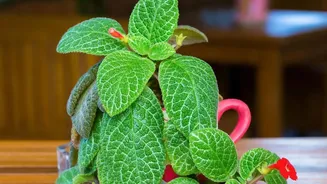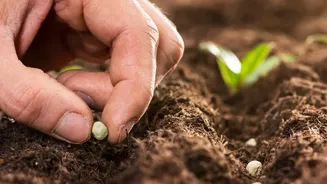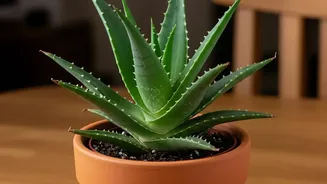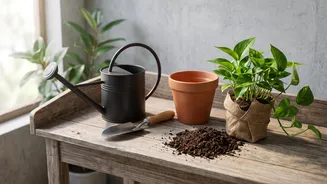



Light Is the Foundation
Before you even think about watering, consider the light in your home. Light is a plant's food, and it's the single most important factor for success. Most houseplants are sold with labels that indicate their light needs: low, medium, or bright indirect
light. Take a walk through your home and observe. A south-facing window offers intense, bright light, while a north-facing window provides much lower light levels. East-facing windows get gentler morning sun, and west-facing ones get strong afternoon sun. The key is to match the plant to the place. Most popular tropical houseplants thrive in bright, indirect light, which means a spot near a window where the sun's rays don't fall directly on the leaves for hours. Choosing a plant that fits the light you have is far easier than trying to change the light for a plant you want.
Master the Art of Watering
The most common mistake beginners make is overwatering. More houseplants die from too much water than too little. Roots need oxygen as much as they need water, and constantly saturated soil leads to root rot. Instead of watering on a rigid schedule, learn to check the soil first. The 'finger test' is your best tool: stick your finger about two inches into the soil. If it feels dry, it's time to water. If it's still moist, wait another day or two and check again. When you do water, do it thoroughly. Pour water slowly and evenly over the soil surface until it flows out of the drainage holes at the bottom of the pot. This encourages deep, strong root growth. After watering, be sure to dump out any excess water from the saucer so the plant isn't left sitting in a puddle.
Start with Forgiving Plants
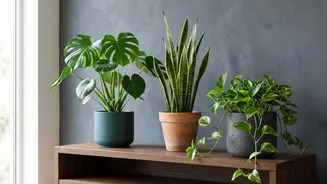
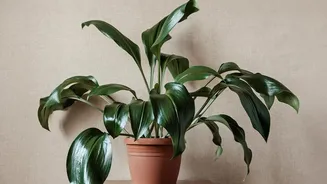
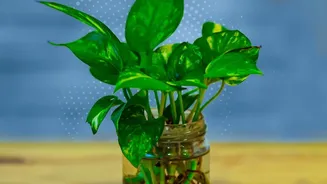
Set yourself up for success by choosing plants that are famously resilient. Starting with notoriously 'hard-to-kill' species will build your confidence as you learn. The Snake Plant (Sansevieria), for example, tolerates low light and infrequent watering. The ZZ Plant (Zamioculcas zamiifolia) is another excellent choice that thrives on neglect and can handle lower light conditions. Golden Pothos is a vining plant that is very communicative, drooping slightly when it's thirsty and bouncing back quickly after a drink. These types of plants can handle some trial and error, making them perfect companions for a new plant parent.
Give Them a Good Home
The right pot and soil are crucial for a plant's long-term health. The number one rule for pots is to ensure they have drainage holes. Without drainage, excess water has nowhere to go, creating a recipe for root rot. When it comes to soil, avoid using garden soil from your backyard. Outdoor soil is too dense for containers, compacts easily, and can bring pests indoors. Instead, use a quality indoor potting mix. These mixes are specifically formulated to be lighter, provide aeration, and retain the right amount of moisture. Most common houseplants will do great in an all-purpose indoor mix. For cacti and succulents, a special mix with added sand or perlite is better because it drains faster.
Less Is Often More
Enthusiastic beginners often kill their plants with kindness. Beyond overwatering, this can mean too much fertilizing or constantly moving the plant. Most houseplants don't need much fertilizer, especially outside of their main growing seasons in spring and summer. Over-fertilizing can burn the roots and damage the plant. Likewise, plants get accustomed to their environment in terms of light and temperature. Avoid moving them around frequently, as sudden changes can cause stress. It's also wise to keep plants away from drafts, heating vents, or air conditioners, which can cause rapid temperature fluctuations. A stable environment is a happy environment.