



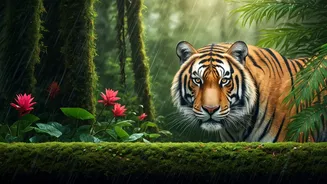



Why The Rains Reign Supreme
The common wisdom is to avoid wildlife parks during the monsoon. Many core zones of famous national parks do indeed close from June to October. But this perception misses a spectacular secret: the monsoon transforms India’s wilderness into a vibrant,
living spectacle. The parched summer earth gives way to a carpet of impossible green. The air, thick with the scent of petrichor, buzzes with life. For those willing to embrace a little rain, the rewards are immense. You get fewer crowds, lower prices, and a chance to see nature in its most dynamic and rejuvenated state. The forest feels more alive, from the orchestra of croaking frogs to the sight of a predator roaming a landscape washed clean. It’s not just a trip; it’s an immersion into an ecosystem at its absolute peak.
Periyar National Park, Kerala
Nestled in the Western Ghats, Periyar is an evergreen paradise that truly comes into its own during the monsoon. Unlike many other parks, Periyar remains open year-round. The rains intensify the deep greens of its forests, and the famous Periyar Lake brims with water, making boat safaris a breathtaking experience. Watch herds of elephants bathing and playing by the water’s edge, their dark hides glistening against the lush backdrop. The monsoon is also the prime time for spotting amphibians and reptiles. The air hums with the calls of countless frog species, including the magnificent Malabar gliding frog. Birdwatching is exceptional, with species like the Malabar trogon and various hornbills being particularly active. It’s a sensory overload in the best possible way.
Tadoba-Andhari Tiger Reserve, Maharashtra
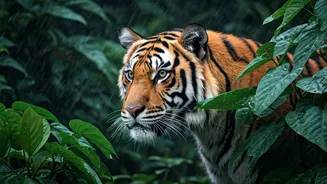
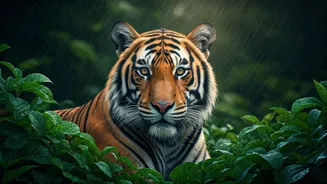
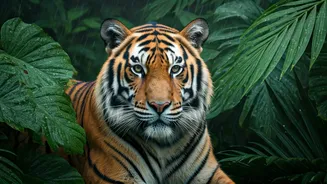
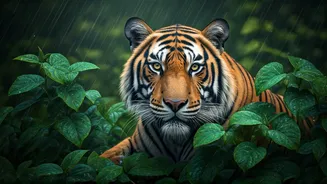
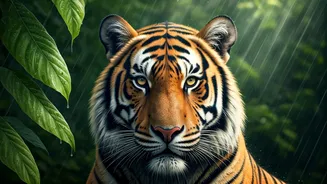
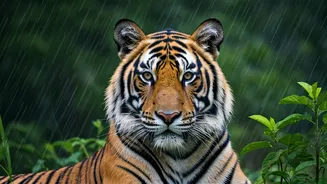
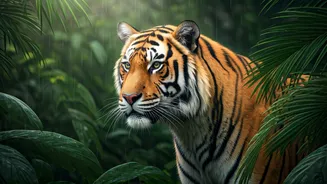
While the core zones of Tadoba, one of India's premier tiger habitats, are closed during the monsoon, many of its buffer zones remain accessible. This is where the magic happens. The forest, typically dry and dusty, undergoes a dramatic metamorphosis. The landscape turns a shocking, brilliant green, creating a stunning canvas for wildlife photography. Tigers, which can be elusive in the dense foliage, are often drawn to the waterholes that dot the trails, offering incredible sighting opportunities. The contrast of their striped orange coats against the verdant background is a sight to behold. Besides tigers, you can spot leopards, sloth bears, and wild dogs enjoying the cooler, wetter weather. A safari in Tadoba’s buffer zones during the monsoon is a raw, untamed experience.
Ranthambore National Park, Rajasthan
Ranthambore in the monsoon? It sounds counterintuitive for a park in arid Rajasthan, but it’s a well-kept secret among seasoned wildlife lovers. While the entire park isn’t open, specific zones (typically Zones 6 to 10) are accessible to tourists. The monsoon transforms the dry, craggy Aravalli hills into rolling green slopes, with ancient forts and ruins draped in fresh foliage. This rejuvenation brings the animals out. The park’s famous tigers are often seen stalking through the tall, green grass or cooling off in replenished water bodies. The dramatic, stormy skies add a theatrical flair to every sighting. It’s a chance to see a completely different side of Ranthambore, one that is far from the dusty summer trails and teeming with life.
Jim Corbett National Park, Uttarakhand
As India's oldest national park, Jim Corbett is a legendary destination. During the monsoon, while the popular Dhikala and Bijrani zones are closed due to flooding from the Ramganga River, other parts of the park offer a fantastic experience. The Jhirna and Dhela zones, located in the park's southern reaches, remain open throughout the year. The rains wash the landscape, revealing a world of vibrant greens and misty mornings. This is an excellent time for birdwatching, as the avian population swells. Herds of elephants, a key attraction in Corbett, are frequently seen enjoying the lush vegetation. A drive through the Sal forests, with raindrops pattering on the leaves and the scent of wet earth in the air, is an experience that connects you deeply with the rhythm of the wild.