

Beyond the Big Day
For generations, ornate juttis and handcrafted Kolhapuri chappals were accessories for special events—paired with lehengas, sherwanis, and festive kurtas. They were beautiful, but often seen as too traditional or elaborate for daily life. That perception
has completely shifted. Today, these classic footwear styles are undergoing a renaissance, becoming go-to choices for everything from office meetings to casual brunches. The modern Indian wardrobe is embracing a fusion aesthetic, and footwear is leading the charge, proving that comfort, craftsmanship, and cultural pride can walk hand-in-hand. This isn't just about reviving old designs; it's about reinterpreting them for a contemporary audience that values both heritage and practicality.
The Reign of Juttis and Mojaris
At the heart of this trend are the jutti and the mojari. Traditionally, Punjabi juttis are known for their closed back and rounded toe, while Rajasthani mojaris often feature a distinctly curled, open-backed design. Both were once symbols of royalty and regional pride. Now, designers are infusing these silhouettes with a fresh, modern spirit. You'll find juttis adorned with minimalist prints, quirky embellishments, and subtle embroidery that pairs as well with jeans and a t-shirt as it does with a salwar kameez. Brands have focused on enhancing comfort, adding cushioned insoles to styles once known for being stiff, making them a practical and stylish alternative to heels or ordinary flats.
The Kolhapuri Comeback
The humble Kolhapuri chappal, a hand-crafted leather sandal with a distinctive T-strap and toe loop, has also experienced a major revival. Once considered a rustic, durable staple, it's now a certified fashion statement, even catching the eye of international luxury brands. Its appeal lies in its sheer versatility. The classic tan Kolhapuri grounds a colourful outfit, while newer versions in bold colours, with metallic finishes, or featuring intricate braiding offer a chic edge to dresses, skirts, and even tailored trousers. Artisans and modern brands are collaborating to create designs that honour the GI-tagged craft's heritage while making it relevant for a global audience.
Styling the Modern-Ethnic Look
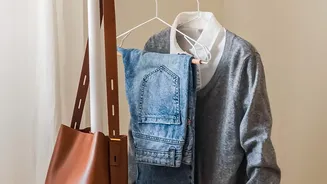
Integrating these traditional shoes into a modern wardrobe is effortless. The key is balance. A pair of colourfully embroidered juttis can elevate a simple denim-and-white-shirt combination, adding a pop of personality. Kolhapuri sandals lend an earthy, relaxed vibe to summer dresses and linen trousers. For an Indo-Western look, pairing a short kurta with straight-leg jeans and a pair of minimalist mojaris creates a chic, contemporary silhouette. The footwear becomes the anchor piece that ties the traditional and Western elements together, creating a look that feels personal and put-together without being chaotic. The idea is to let the footwear be a statement of craft, not just an accessory.
A Celebration of Craft and Identity
This trend is more than just a fleeting fashion moment; it represents a deeper cultural shift. Indian designers and brands are championing local craftsmanship, bringing the work of skilled artisans to the forefront. By choosing a handcrafted jutti or Kolhapuri, consumers are not just buying a shoe; they are investing in a piece of heritage and supporting artisanal communities. It reflects a growing confidence in homegrown aesthetics and a desire for fashion that tells a story. The global recognition of these styles further validates their timeless appeal, proving that what is deeply local can also be universally stylish.