




The Hidden Dangers of a Damp Coat
Letting your dog air-dry might seem natural, but it’s a risky habit, especially in humid conditions like the Indian monsoon. [3, 11] When moisture gets trapped in a dog's undercoat, it creates a warm, humid environment against the skin—the perfect breeding
ground for bacteria and yeast. [10, 18, 26] This can lead to a range of painful conditions. One of the most common is acute moist dermatitis, also known as 'hot spots'. These are red, inflamed, and often oozing lesions that can appear suddenly and spread rapidly. [14, 17] Fungal and yeast infections, like Malassezia dermatitis, are also common, causing itchy, flaky skin and a distinct musty odour that’s far worse than the typical “wet dog” smell. [14, 26] In breeds with skin folds, like pugs and bulldogs, or those with thick double coats such as Golden Retrievers and German Shepherds, the risk is even higher. [15, 17]
Mastering the Art of a Thorough Dry
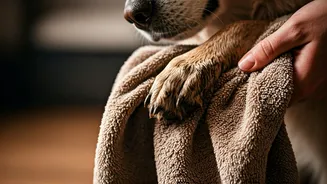
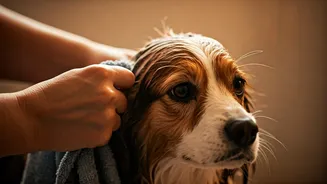
Proper drying isn't just about a quick rubdown; it's a two-step process that starts with a towel and often ends with a dryer. First, use a highly absorbent microfiber towel to gently squeeze and blot the water out of the coat. [5] Avoid vigorous rubbing, which can irritate the skin and create tangles, especially in long-haired breeds. [3, 8] Press the towel against the fur, working from the head and back down to the tail and paws. [5] You may need multiple towels for a large or thick-coated dog. [5] For many breeds, especially those with dense undercoats, a towel alone isn't enough. [4] A blow dryer designed for pets is the best way to ensure the coat is dry right down to the skin. Use a low or no-heat setting and keep the nozzle at least 6-12 inches away from your dog's skin to prevent burns. [3, 4] The goal is to use airflow, not heat, to do the work. [5]
Essential Tools for Effective Drying
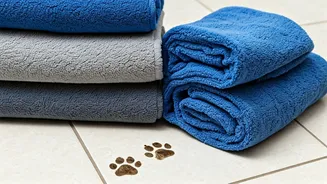
Having the right equipment makes the process faster, safer, and more effective. Start with high-absorbency microfiber towels; they soak up significantly more water than standard cotton towels. [3] For the second stage, a pet-specific blow dryer is a worthwhile investment. Unlike human hair dryers, they are designed with lower heat settings and motor speeds that are safer for a dog’s sensitive skin. [3] Regular brushing is also a critical part of your drying toolkit. Using a slicker brush or comb while you blow-dry helps to separate the fur, allowing air to circulate and dry the undercoat more effectively. [4] It also prevents matting, which can trap moisture and lead to skin infections. [14] During monsoon season, consider antifungal powders for susceptible areas like paws and skin folds, but only as a preventive measure after the coat is completely dry. [7, 18]
Special Care During the Monsoon
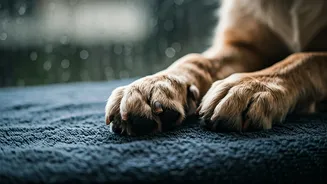
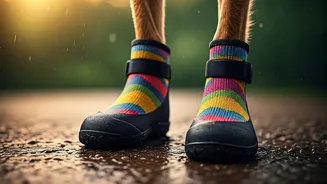
The Indian monsoon, with its high humidity, presents unique challenges. [2, 11] A dog's coat can remain damp for hours, making diligent care essential. [11] Keeping your dog’s fur trimmed shorter during these months can make drying easier and faster. [7] After every single walk, no matter how short, it's crucial to clean and dry their paws and underbelly. [7, 13] Pay special attention to the gaps between their toes, a common spot for fungal infections. [7, 11] Using a light raincoat can reduce the amount of drying you need to do. [7] Over-bathing should be avoided, as it strips the skin of its natural protective oils; focus on thorough drying instead. [11, 13] Keeping their bedding clean and dry is also vital, as damp bedding contributes to a humid environment where bacteria and fungi thrive. [2]
When to See a Veterinarian
Preventative care is key, but it's also important to recognise the early warning signs of a skin problem. If you notice your dog is constantly licking, scratching, or chewing at a particular spot, it's a red flag. [17] Check their skin for redness, swelling, hair loss, or any unusual discharge or odour. [19] A musty or yeasty smell is often a sign of a fungal infection. [26] While diligent home care can prevent most issues, you should never hesitate to consult a veterinarian if you see these signs. A vet can accurately diagnose the problem—whether it's a bacterial infection, a fungal issue, or an underlying allergy—and prescribe the right treatment, which might include medicated shampoos, topical creams, or oral antibiotics. [17, 20] Prompt professional care can stop a minor irritation from becoming a major, painful problem.