





Why the Sudden NRI Interest?
The renewed focus from NRIs is not just about an emotional connection to home; it's a strategic financial decision. Several factors are at play. A favorable currency exchange rate gives NRIs significantly more purchasing power. Earning in dollars, pounds,
or dirhams allows them to afford larger and more premium properties in India. Additionally, India's resilient economic growth and rapidly developing infrastructure, from new metros to smart city projects, make real estate a promising long-term investment. Regulatory reforms like the Real Estate (Regulation and Development) Act (RERA) have also increased transparency and investor confidence, reducing the risks that once deterred overseas buyers.
A Tale of Two Markets: Luxury vs. Affordable
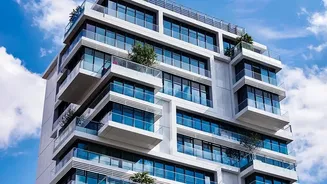
The impact of NRI investment is not uniform across the market. The primary focus of this capital influx is on the premium and luxury segments. According to industry reports, NRIs account for a substantial portion of sales in high-end projects in major cities, with a preference for 3-BHK or larger apartments in gated communities with modern amenities. This trend is pushing developers to launch more high-ticket projects. While local buyers in the affordable and mid-income segments may not be in direct competition for these luxury homes, the shift in developer focus can have indirect consequences, potentially reducing the supply of new projects in the budget-friendly category.
The Direct Squeeze on Urban Homebuyers
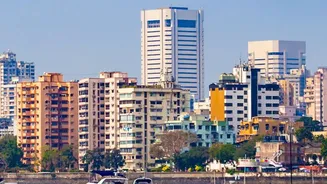
In India’s top metropolitan hubs like Mumbai, Bengaluru, Pune, Hyderabad, and the Delhi-NCR region, the effect is more direct. These cities are magnets for NRI investment due to their robust job markets and strong potential for rental income and capital appreciation. The increased demand from affluent overseas buyers contributes to rising property prices in these prime urban areas. This can push properties that were once within reach for local middle-class and upper-middle-class families into a higher price bracket, intensifying competition and making the dream of owning a home in a desirable location more challenging.
Beyond Metros: The Tier-II City Effect
Interestingly, the trend is no longer confined to Tier-I cities. Emerging Tier-II cities such as Lucknow, Jaipur, Kochi, and Ahmedabad are also appearing on the NRI investment map. This is driven by infrastructure upgrades, the 'Smart Cities Mission', and the desire for a retirement home or a connection to ancestral roots. For local buyers in these cities, this can be a double-edged sword. While it signals economic growth and better infrastructure, it also brings the big-city problem of rising property values, potentially pricing out residents long before local salaries can catch up.