







The Next Wave in Plant-Based Drinking
For years, the choice to go plant-based with milk was driven by lactose intolerance, veganism, or environmental concerns. The Indian market, traditionally the world's largest consumer and producer of dairy, has seen a significant surge in plant-based alternatives.
Market analysis shows the plant-based milk sector in India is growing rapidly, with projections showing it could reach over ₹890 crores by 2025. While early adopters were happy with soy and then almond milk, today's consumer in metropolitan India is more discerning. They're reading labels and looking for more than just a dairy-free label; they want functional benefits. This has paved the way for a new focus: high-quality protein. Consumers are increasingly seeking out food products that support their health and fitness goals, and plant milks are no exception.
The Power of the Pea
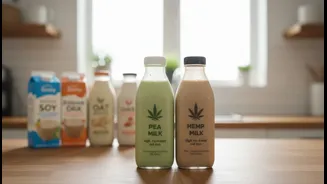
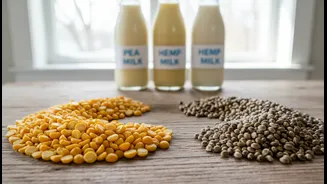
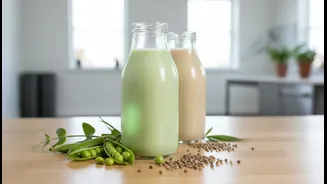
When you hear 'pea milk', you might picture a green, vegetable-like drink, but the reality is surprisingly different. Made from yellow split peas, pea milk is creamy, has a fairly neutral taste, and is often compared to dairy milk in texture. Its biggest selling point is its protein content. Most brands of pea milk offer about 8 grams of protein per 250ml serving, which is comparable to both cow's milk and soy milk. This makes it a powerful contender for those looking to build muscle or simply stay full longer. Furthermore, pea milk is typically free from common allergens like nuts and soy, making it a safe choice for many. From an environmental perspective, peas are a sustainable crop. They are nitrogen-fixing, which enriches the soil, and generally require less water than almonds, making pea milk an eco-conscious choice.
Harnessing the Benefits of Hemp
Hemp milk, made from the seeds of the hemp plant, is another strong performer in the high-protein category. While its protein content can vary, what makes it stand out is that it's a complete protein, containing all nine essential amino acids. It also provides a healthy dose of omega-3 and omega-6 fatty acids, which are beneficial for heart and brain health. The flavour is often described as nutty or earthy. In India, several brands have begun to offer hemp-based nutritional products, including hemp hearts and powders, paving the way for wider acceptance of hemp milk. Environmentally, hemp is a highly sustainable crop. It grows quickly, requires few pesticides, and nearly every part of the plant can be used, minimizing waste. While it requires more water than peas or soy, its overall footprint remains lower than dairy and almond farming.
The Protein Showdown: How They Compare
So how do these newcomers stack up against the established players? A typical 250ml serving tells the story. Pea milk stands strong with around 8 grams of protein, rivaling dairy and soy milk. Hemp milk often contains a bit less protein than pea or soy, but its complete amino acid profile gives it a nutritional edge. Oat milk, the darling of cafes for its creamy texture, usually offers around 3 to 4 grams of protein. Almond milk, while a popular low-calorie option, typically contains only about 1 gram of protein per serving. For consumers in Indian metros actively tracking their macronutrient intake, this difference is significant. The choice is no longer just about avoiding dairy but about choosing the plant-based option that best aligns with their nutritional needs.
A Fit for the Indian Kitchen?
The final test for any milk alternative in India is its versatility. Can you make a decent cup of chai with it? How does it hold up in coffee or a smoothie? Pea milk's creamy consistency and neutral taste allow it to perform well in hot beverages and cooking without overpowering other flavours. Barista-style pea milks are even formulated to foam well for lattes and cappuccinos. Hemp milk's nuttier flavour can be a delicious addition to smoothies, cereal, and certain baked goods, though it might alter the taste of traditional tea or coffee. As these milks become more widely available in urban centres through online platforms and speciality stores, more home cooks and cafes are beginning to experiment, finding new ways to incorporate these high-protein options into daily routines.